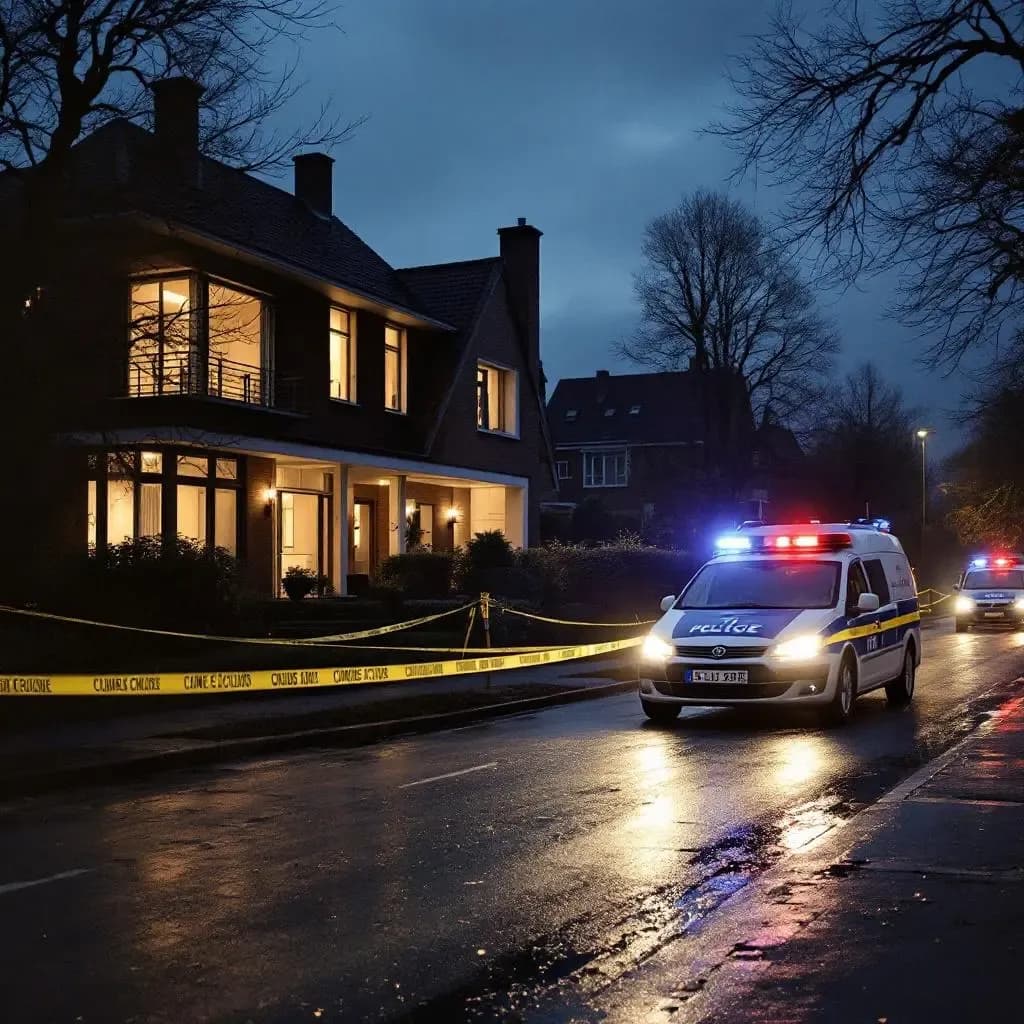
Three eight-year-old boys—Christopher Byers, Stevie Branch, and Michael Moore—went missing on May 5, 1993, after setting out on bikes around 6:00 PM in West Memphis, Arkansas. The next morning, search parties discovered their naked, bound bodies in a water-filled drainage ditch in the Robin Hood Hills subdivision. The children had been beaten and hog-tied with their own shoelaces. Byers had been castrated.
The horrific nature of the crime sparked immediate speculation about satanic ritual murder, a theory that would dominate the investigation and shape the legal outcome.
## The Satanic Panic
Chief Inspector Gary Gitchell of the West Memphis Police Department pursued leads centered on satanic cult activity. The location of the bodies—a wooded area—combined with the nudity, binding, and mutilation fueled public fears about devil worship. These concerns weren't isolated; they reflected a broader "satanic panic" sweeping the United States in the early 1990s, driven by unfounded claims of organized cult networks.
Damien Echols, then 18, quickly became a focus of suspicion. A probation officer named Jerry Driver had previously monitored Echols for juvenile offenses including burglary and sexual misconduct. When Echols admitted to practicing magic, Driver suspected him of satanic involvement—a leap without evidence that would prove consequential.
## The False Confession
On June 3, 1993, Jessie Misskelley Jr., aged 17, confessed to the murders. Police arrested all three teenagers that day: Echols (18), Baldwin (16, born April 11, 1977), and Misskelley. All were charged with three counts of capital murder.
Misskelley's confession became the cornerstone of the prosecution's case. Yet it also proved problematic: police had interrogated him for hours without legal representation present, and details in his confession contradicted established facts about the crime scene. Despite these inconsistencies, the confession provided the momentum prosecutors needed to move forward.
## Trial and Conviction
At trial in 1994, the prosecution argued the murders were satanic ritual killings. No DNA evidence, fiber evidence, or physical materials linked any of the three defendants to the crime scene. No murder weapons were recovered. The case rested almost entirely on Misskelley's confession and circumstantial suspicion.
The verdicts reflected the gravity prosecutors attached to the satanic narrative:
- **Damien Echols**: Convicted of three counts of first-degree murder; sentenced to death
- **Jason Baldwin**: Convicted of three counts of first-degree murder; sentenced to life imprisonment
- **Jessie Misskelley Jr.**: Convicted of one count of first-degree murder and two counts of second-degree murder; sentenced to life plus 40 years
Throughout their trials and imprisonment, all three maintained their innocence.
## DNA Evidence and Release
The case remained closed until 2007, when DNA testing from the crime scene became available. The results were unambiguous: DNA from all three defendants was excluded from evidence recovered at the scene. Instead, testing detected unidentified male DNA—evidence that neither investigators nor prosecutors could explain.
Facing irrefutable evidence that contradicted their convictions, the three men negotiated a path out of prison. On August 19, 2011, after serving 17-18 years, Echols, Baldwin, and Misskelley accepted Alford pleas—a legal mechanism allowing them to maintain innocence while accepting conviction. They were released immediately for time served.
Nearly two decades of imprisonment rested on satanic panic, a coerced confession, and the absence of any physical evidence connecting them to the murders of Christopher Byers, Stevie Branch, and Michael Moore.
## Sources
https://encyclopediaofarkansas.net/entries/west-memphis-three-3039/
https://innocenceproject.org/news/who-are-west-memphis-three-damien-echols/
https://www.tjsl.edu/news-and-events/the-west-memphis-three-and-their-alford-plea/
https://www.britannica.com/event/West-Memphis-Three
https://famous-trials.com/westmemphis/2287-home