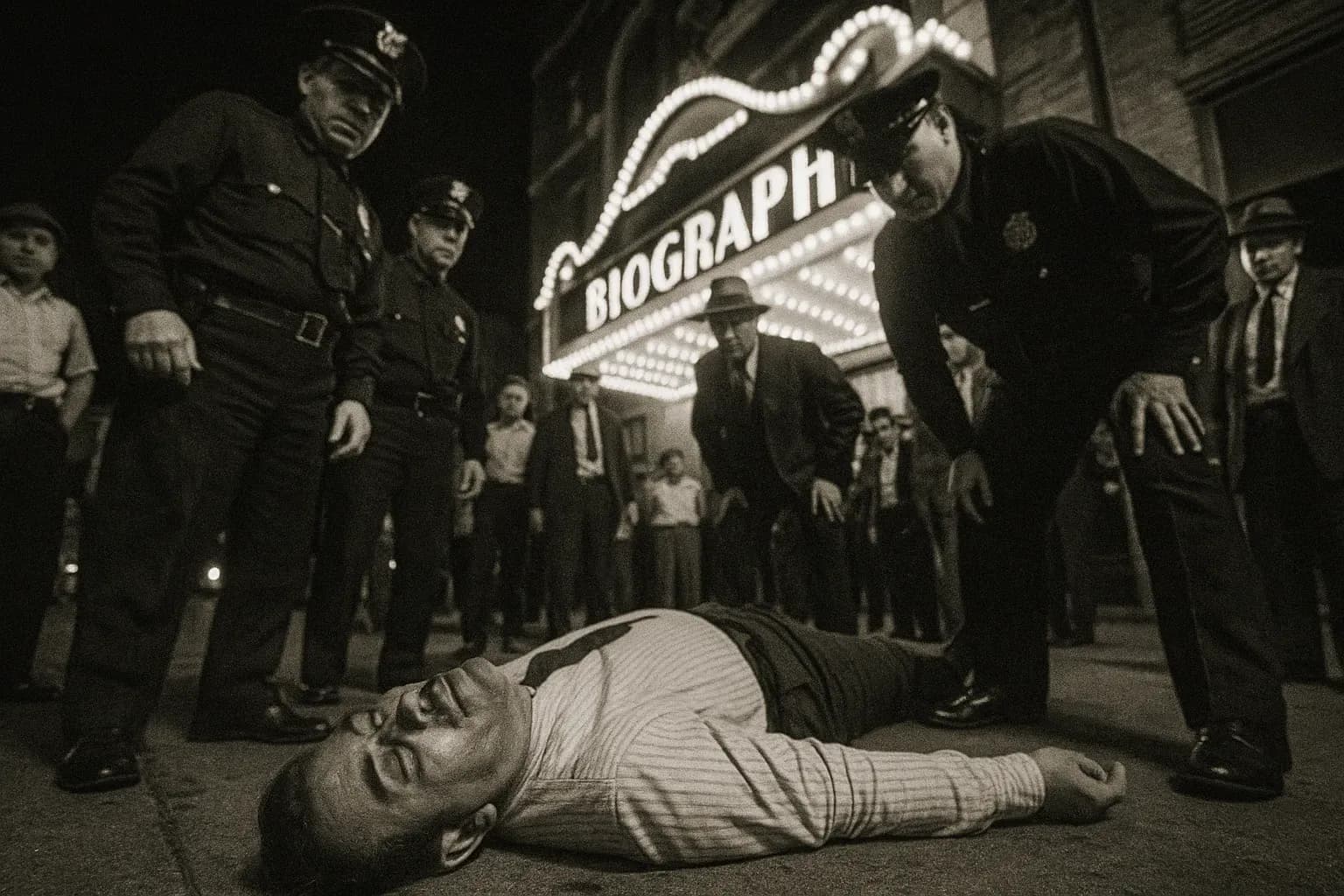
How Reality TV Shaped Policing: The COPS Legacy Beyond America
Danish scholars examine the cultural and ethical impact of an unfiltered documentary series on global perceptions of law enforcement
Since its debut in 1989, the American documentary series COPS has captivated global audiences by placing viewers in the passenger seat of patrol cars, offering an ostensibly unfiltered glimpse into law enforcement work. Created by John Langley and Malcolm Barbour for Fox, the show became a cultural touchstone—and increasingly, a case study in how media shapes public perception of policing.
Now, scholars across Scandinavia and beyond are re-examining COPS through a critical lens, questioning what decades of unedited police encounters have taught viewers about justice, authority, and the boundaries of acceptable law enforcement conduct.
**The Format That Defined a Genre**
COPS pioneered what French film theorists call cinéma vérité—direct observation without narrator guidance or editorial framing. This rawness was its selling point: viewers watched real officers navigate real confrontations, unmediated by studio commentary. The series expanded across multiple platforms, from Fox Nation to Pluto TV and Amazon Prime Video, reaching audiences far beyond North America.
Yet this apparent objectivity masked deeper questions. Every frame was selected by producers; every confrontation was chosen for narrative impact. What appeared unfiltered was, in fact, carefully curated.
**Ethical Gray Zones in Plain Sight**
Critics have long accused COPS of presenting law enforcement through a sympathetic lens while glossing over problematic tactics. The series captures confrontations involving marginalized communities—the poor, the unhoused, people with mental health crises—often portrayed with minimal context about systemic inequality or police accountability.
Danish media researchers have joined international scholars in questioning the show's editorial choices. How many encounters end in arrest versus de-escalation? Whose voice gets heard during disputes? What happens to the individuals featured after cameras stop rolling? These questions matter because they shape how viewers understand justice itself.