True crime news logo
  • News

Sign up for our newsletter and get the latest stories

Never miss the latest true crime news, reviews and top lists — plus new podcasts, series, films and books.

You can unsubscribe with one click from any email.

True crime news logo

The international true crime destination. Cases, documentaries, podcasts and travel routes.

© 2026 truecrime.news. All rights reserved.

Forensic Files uncovers forensic revolution

How Forensic Files Revolutionized Crime Investigation Globally

From Danish courtrooms to international screens: The science-driven documentary that changed how the world solves crime

Published
May 26, 2025 at 10:00 PM

When Forensic Files premiered on American television in April 1996, few anticipated it would become the longest-running true crime documentary series in television history. Yet nearly three decades later, the show's influence extends far beyond U.S. borders—including into Nordic countries like Denmark, where forensic investigation operates under fundamentally different legal frameworks.

The series' international appeal lies in its radical departure from conventional crime television. Rather than focusing on dramatic arrests or sensational details, Forensic Files centers on one element: the science. Episodes methodically trace how forensic pathologists, toxicologists, and crime scene investigators use physical evidence to solve murders that might otherwise remain unsolved.

This approach proved revolutionary precisely because it treats forensic medicine as narrative itself. The Danish documentary tradition, which emphasizes factual storytelling and institutional transparency, shares similar values with Forensic Files' methodology. Both prioritize evidence over emotion, process over personality.

**The Scandinavia Connection**

Danish crime investigation operates within a legal system that differs markedly from the American model featured in Forensic Files. The Danish Politiet (national police) and Retslægeligt Institut (National Institute of Forensic Medicine) work within a civil law framework, where forensic evidence serves investigating judges rather than adversarial courtrooms. Yet the fundamental science remains identical—DNA analysis, toxicology, wound pattern analysis—making Forensic Files' international relevance unmistakable.

When the series aired in Scandinavia, it resonated particularly with audiences accustomed to documentary programming that respects viewer intelligence. Rather than reconstructing crimes with hired actors, early episodes relied on forensic science itself as the protagonist. This restraint distinguished Forensic Files from American true crime conventions that often prioritize dramatic recreation over analytical rigor.

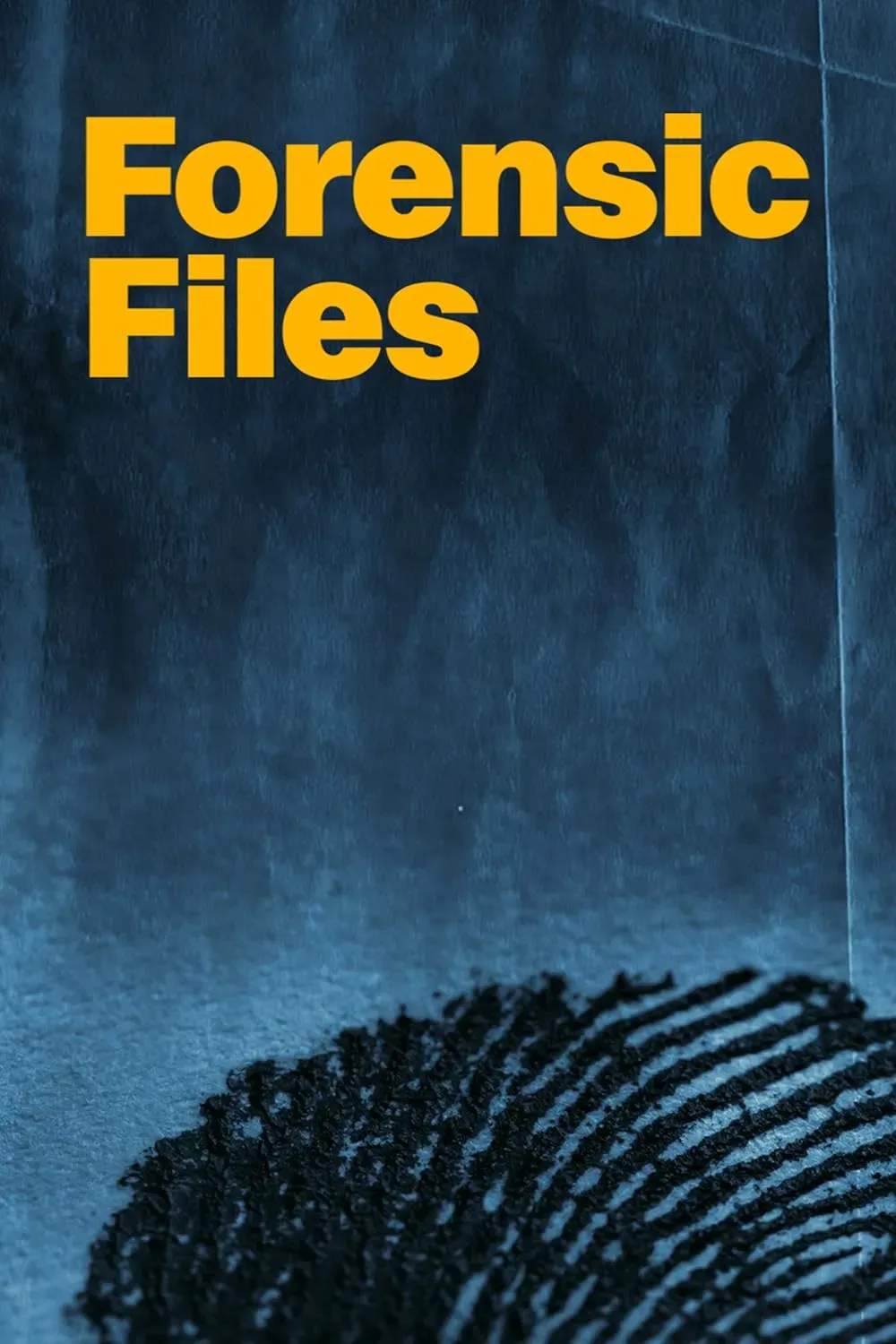
The original concept actually centered on medical investigations and disease outbreaks—a framework that appealed to European audiences more accustomed to institutional documentary work. Only after viewer ratings demonstrated preference for murder mysteries did producers shift focus, yet the scientific methodology remained unchanged.

**From Niche Science to Global Influence**

Forensic Files deliberately rejected what producers termed "stupid criminal" cases—investigations where perpetrators left obvious evidence. Instead, the series featured sophisticated crimes where offenders attempted careful cover-ups, defeated only by forensic science. This selection created a template that other countries, including Denmark's own true crime productions, would eventually emulate.

The 2000 rebranding from "Medical Detectives" to "Forensic Files" reflected growing international recognition that forensic pathology possessed inherent dramatic power. The relabeling signaled to international audiences that this was serious science, not tabloid entertainment.

When HLN launched Forensic Files II in 2020, the format had already influenced an entire generation of crime documentaries. Notable cases featured sophisticated digital forensics and toxicological analysis—methods now standard across Scandinavian police investigations.

**The Pathology of Modern Crime Television**

What Danish viewers encountered in Forensic Files was validation of an approach their own institutions had embraced: that rigorous science, patiently explained, could captivate audiences without sensationalism. The series demonstrated that forensic medicine—toxicology reports, autopsy findings, trace evidence analysis—possessed inherent narrative tension.

This philosophy aligned with Nordic transparency principles. Unlike American criminal justice systems that often restrict public access to forensic findings, Scandinavian countries emphasize institutional accountability and public understanding of investigative methods. Forensic Files' accessibility to scientific process resonated across these cultural boundaries.

By treating forensic pathologists as protagonists rather than supporting characters, the series elevated the profession internationally. Danish retsmedicinere (forensic medical examiners) working within Denmark's Retslægeligt Institut suddenly had cultural validation for work that had previously remained invisible to the public.

Nearly three decades after its debut, Forensic Files' greatest legacy may be its proof that scientific rigor and compelling narrative are not mutually exclusive. For international audiences—including those in Denmark and across Scandinavia—the series demonstrated that the truth of how crimes are actually solved, grounded in evidence and analysis, needs no embellishment.

Read more

Morbid: A Charming Journey Through True Crime
Podcast

Morbid: The Podcast Redefining True Crime

Monster: The Zodiac Killer delves into past mysteries
Podcast

Monster: The Zodiac Killer Podcast Reopens Bay Area's Darkest Mystery

Bear Brook podcast challenges justice
Podcast

Bear Brook: How a Podcast Exposed Justice's Darkest Questions

Related Content
Morbid: A Charming Journey Through True Crime

Morbid: The Podcast Redefining True Crime

Monster: The Zodiac Killer delves into past mysteries

Monster: The Zodiac Killer Podcast Reopens Bay Area's Darkest Mystery

Bear Brook podcast challenges justice

Bear Brook: How a Podcast Exposed Justice's Darkest Questions

True Crime Garage: fascinating true crime masterstroke

How True Crime Podcasts Are Reshaping Missing Persons Investigations

Advertisement
SS

Susanne Sperling

View all stories →
Share this post: