Rohwedder Murder: Germany's Unsolved Mystery Gets Netflix Series
Detlev Karsten Rohwedder, the most powerful economic figure in Germany's border region during reunification, was shot dead in his Düsseldorf home on April 1, 1991. The murder shocked Germany and remains unsolved 35 years later. Now a new Netflix documentary from directors Beetz Brothers casts fresh light on the mysterious case that German investigators have never been able to satisfactorily solve.
Rohwedder was 51 years old and president of Treuhandanstalt—the central institution overseeing East Germany's economic transformation after the fall of the Berlin Wall. In this role, he controlled one of Europe's largest fortunes: thousands of state-owned enterprises needed to be privatized, renovated, or dissolved. His decisions determined which companies would survive and which would send thousands of workers into unemployment. This made him Germany's most controversial figure in reunification—and potentially a target for assassination.
From Industrial Manager to Germany's Most Powerful Economist
Rohwedder was not a career politician but an experienced industrial leader who had built his career in West Germany. His appointment to head Treuhandanstalt in September 1990 was politically calculated: policymakers trusted his economic expertise and hoped he could rapidly integrate East Germany's economy into the market system. But his approach proved controversial.
While politicians demanded "quick solutions," Rohwedder warned of the social consequences. He advocated for a more moderate privatization policy that considered workers' situations—a position that made him unpopular with both trade unions and liberal economic circles.
Within months, Rohwedder had to make decisions affecting hundreds of thousands of jobs. The pressure was enormous. Simultaneously, frustration grew in the former East German states: factories closed, workers were laid off, an entire way of life disappeared. Rohwedder became the symbol of harsh capitalist restructuring—regardless of his own intentions.
Shots Through the Window
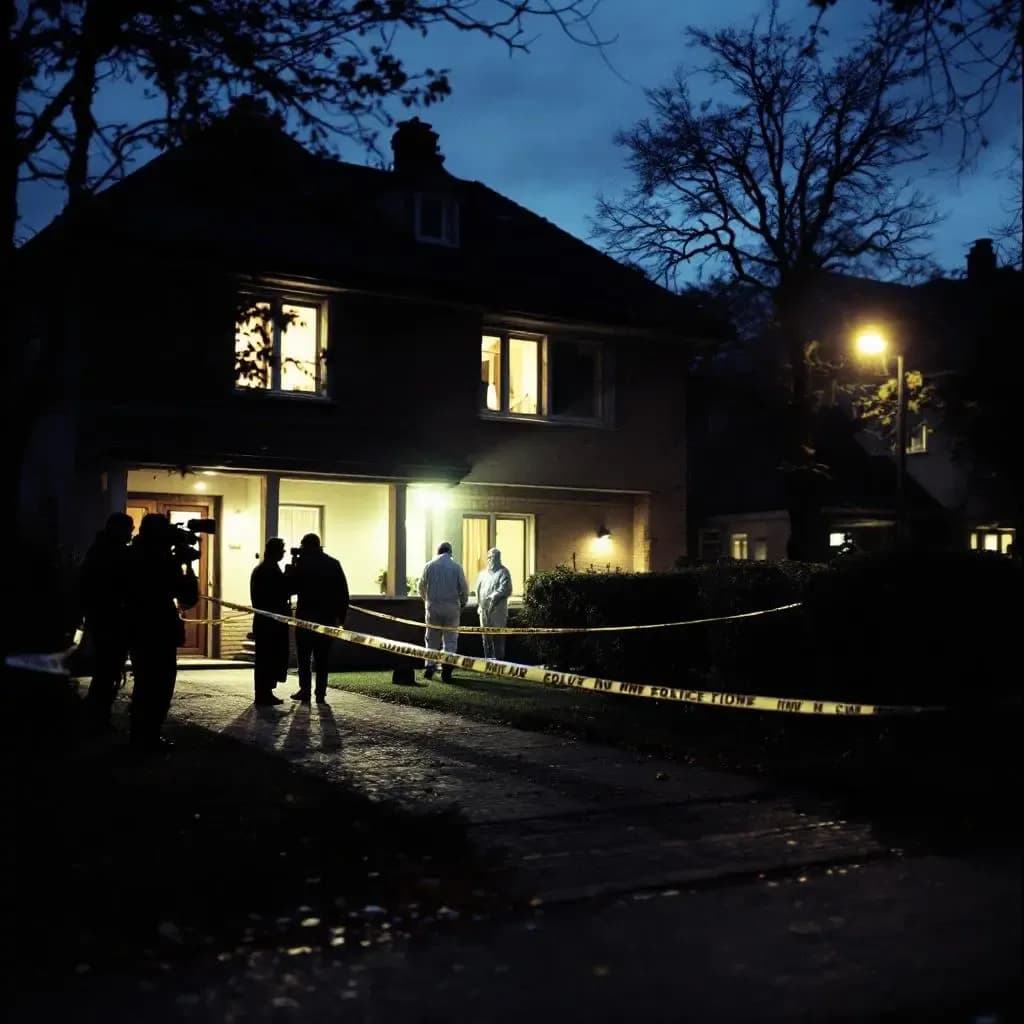
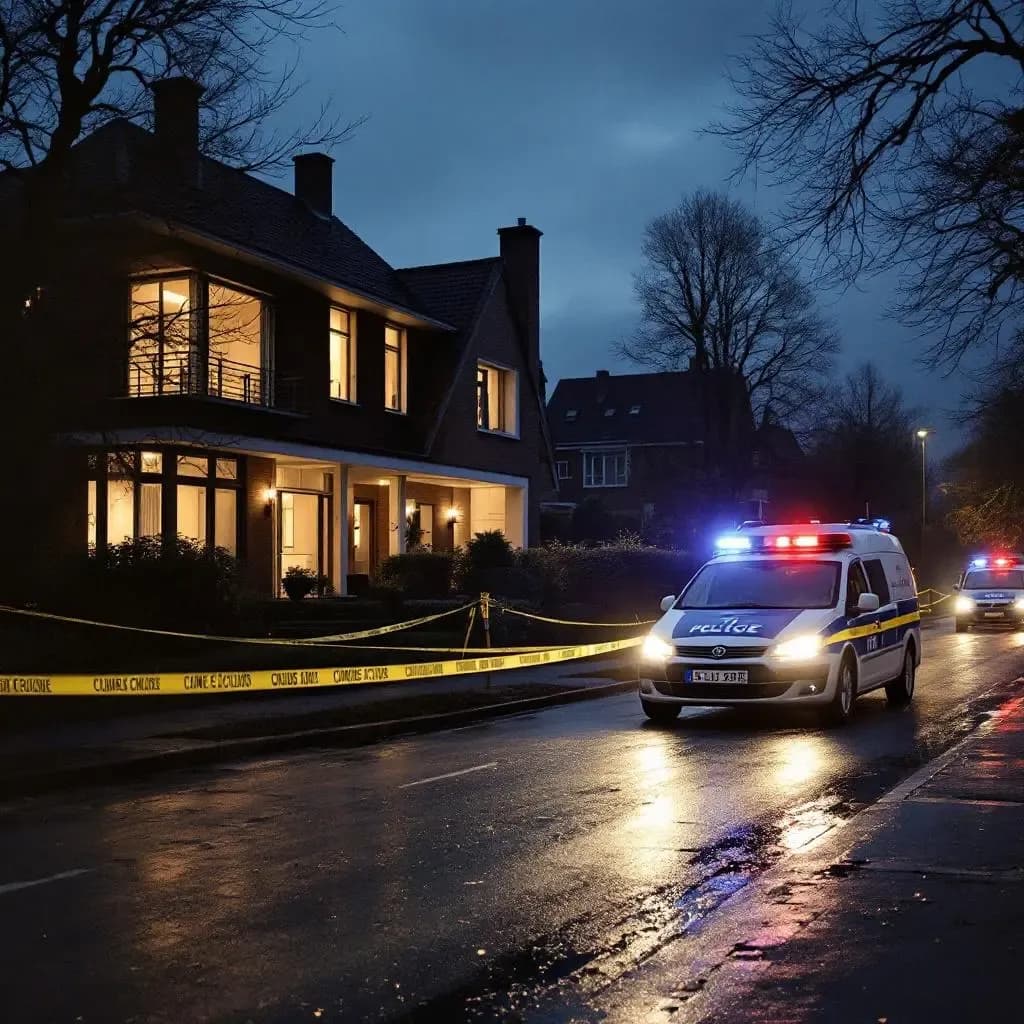
On that Easter night in Düsseldorf-Oberkassel, one or more shooters fired through the windows of Rohwedder's house, killing him. The attack bore hallmarks of professional execution—shots through glass, rapid escape. A witness reported white vans in the area. The investigation began immediately, but the case would prove extraordinarily difficult to solve.
The Red Army Faction (RAF) claimed responsibility in a written communiqué. The letter was detailed and quoted from Rohwedder's own speeches. It criticized his Treuhandanstalt policy and described the social consequences of his course. To many German security officials, the case seemed clear: RAF had killed Rohwedder. But a crucial problem remained: RAF was actually defeated by 1990. Its leaders were in prison or dead. Which cell had the capability and logistics for such an attack?
Theories Without Certain Answers
RAF was fragmented. Some security experts questioned the official narrative then—and still do today: Was it really RAF, or was the murder attributed to them to avoid uncomfortable questions? Alternative theories circulated: East German networks seeking to preserve their power. Western industrial representatives who found Rohwedder's approach too moderate. Financiers profiting from privatization. None of these theories was ever proven beyond reasonable doubt.
The Beetz Brothers' series examines extensive archival material for the first time and presents interviews with eyewitnesses, investigators, and historians. It reveals how the German establishment after reunification faced enormous pressure, and how quick solutions were often prioritized over solving crimes.
Why the Case Was Never Solved
Despite thousands of investigative hours, no one was ever charged. Several RAF members were suspected, but none was convicted. In 1998, member Birgit Hogefeld became a suspect—a mid-level RAF figure—but evidence was insufficient for prosecution. In 2005, a new suspect emerged, but this lead was also never pursued to completion.
Treuhandanstalt remains one of Germany's darkest chapters since World War II. Rohwedder's death illuminates this chaotic process. Was he a reckless leader who created dangerous enemies? Or was he a victim of forces larger than himself?
The Netflix series poses these questions anew—and does what investigators could not in three decades: it documents all perspectives—victims of Treuhandanstalt policy as well as those responsible, RAF sympathizers as well as security officials. The result is not definitive answers but an uncomfortable journey through a time when Germany violently reinvented itself.
A Case with Lasting Consequences
35 years after the murder, the case remains unsolved murders in Germany. Witnesses are aging, archives are being released, new technologies could reassess old evidence. But the political will to finally solve this case seems limited. The series could change that—through public pressure or through new tips from viewers who still remember.
Rohwedder's legacy is ambiguous: some admire him as a businessman who mastered impossible tasks; others condemn him as a symbol of ruthless economic policy. His death is equally ambiguous—a murder that may have been justice, or may have been pure terrorism. A society that cannot agree on which interpretation to follow cannot solve who fired the shots.
See also: unsolved crimes in Germany, Treuhandanstalt and German reunification