The Pharmacist: One Man's Fight Against America's Opioid Crisis
How a Louisiana pharmacist turned personal tragedy into a crusade against prescription pill mills and corporate negligence
Dan Schneider, a Louisiana pharmacist, channeled unbearable personal loss into a public crusade against the opioid epidemic. When his son, Danny Jr., was murdered in 1999 during an illegal opioid purchase, Schneider refused to let the tragedy become just another statistic. Instead, he embarked on a determined investigation that would eventually expose the dangerous underbelly of prescription drug distribution in America.
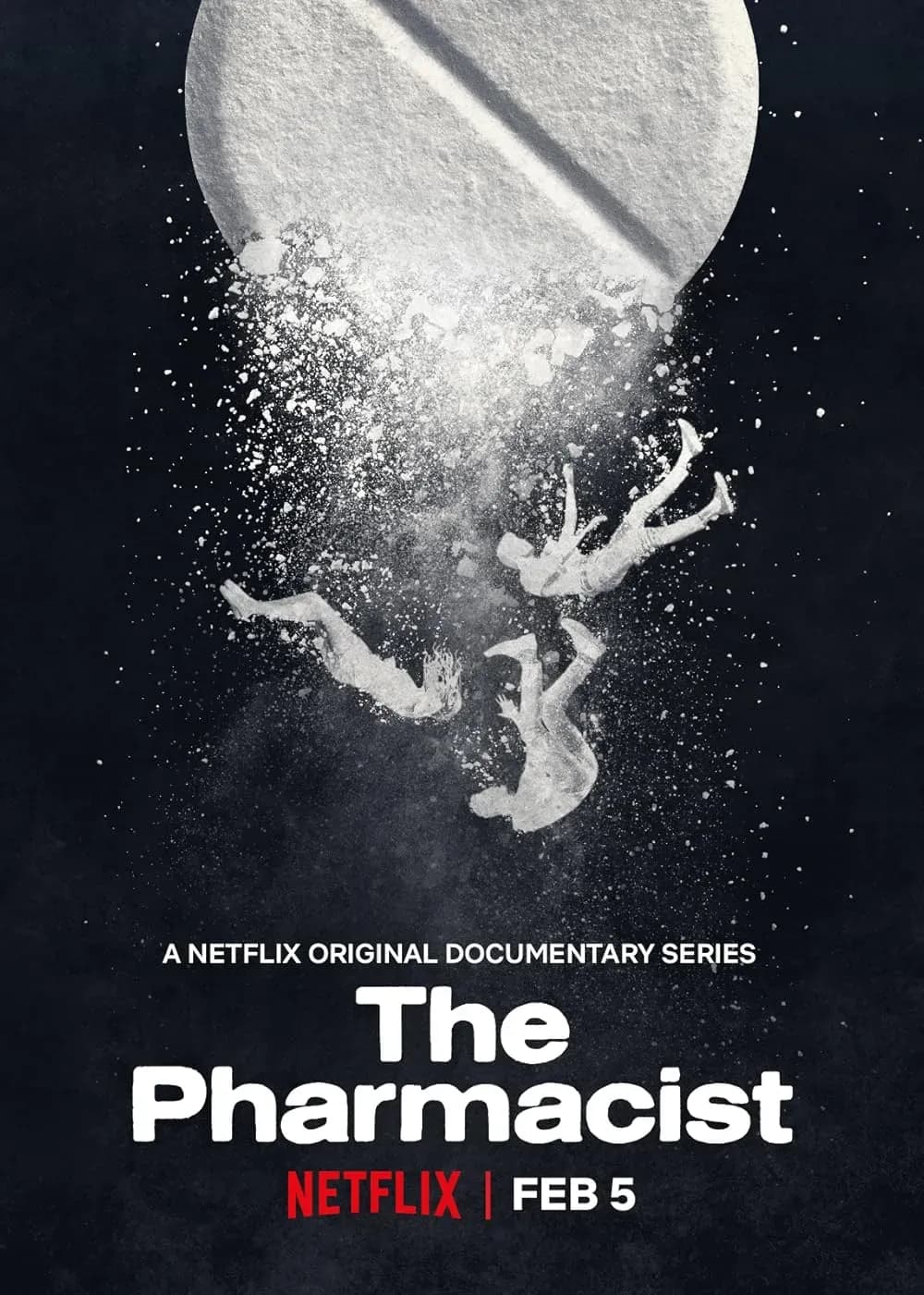
The Netflix docuseries *The Pharmacist*, which premiered on February 5, 2020, tells Schneider's extraordinary story across four episodes. Rather than simply investigating his son's killer, Schneider worked with community members and recovering addicts to trace the root causes of the addiction crisis that had claimed Danny Jr.'s life. His grassroots detective work ultimately led to the conviction of his son's murderer and opened his eyes to a much larger problem: the rampant overprescribing of opioids by doctors operating illegal "pill mills."
Schneider's investigation zeroed in on Dr. Jacqueline Cleggett, a Louisiana physician running an unlicensed prescription drug operation. Using recordings and surveillance, Schneider meticulously documented evidence of Cleggett illegally dispensing opioids to patients. His persistent efforts—gathering medical records, conducting interviews, and building an irrefutable case—eventually forced state authorities to revoke Cleggett's medical license in 2003. The doctor was subsequently indicted by the U.S. Attorney's Office, though she eventually agreed to a plea deal following a severe car accident.
The series, particularly Episode 4 "Tunnel of Hope," examines how the opioid crisis accelerated in St. Bernard Parish, Louisiana, following Hurricane Katrina. Tighter prescription controls, implemented in response to pill mill operations, inadvertently drove addicted individuals toward illicit heroin use, deepening the public health emergency. Schneider's work highlighted a fundamental flaw in the American healthcare and pharmaceutical systems: the gap between regulation and corporate accountability.