The Event
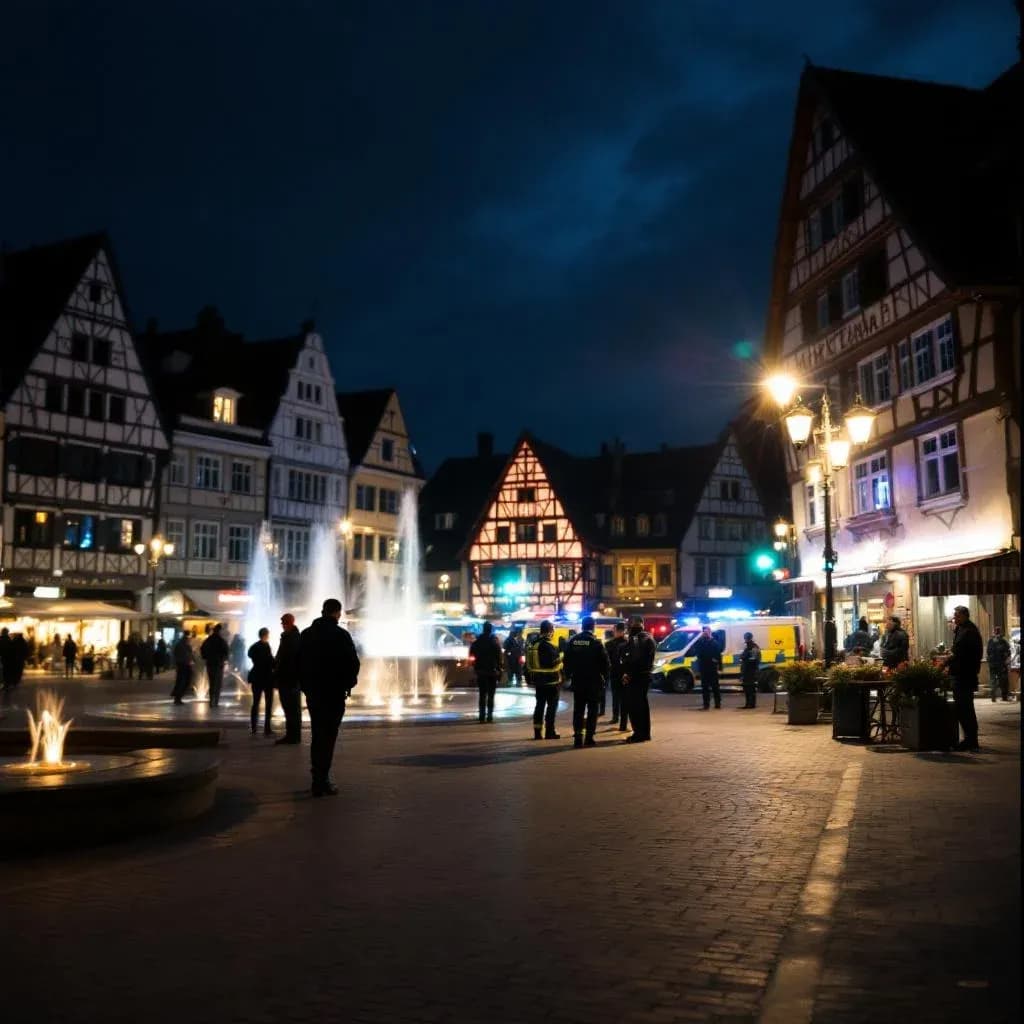
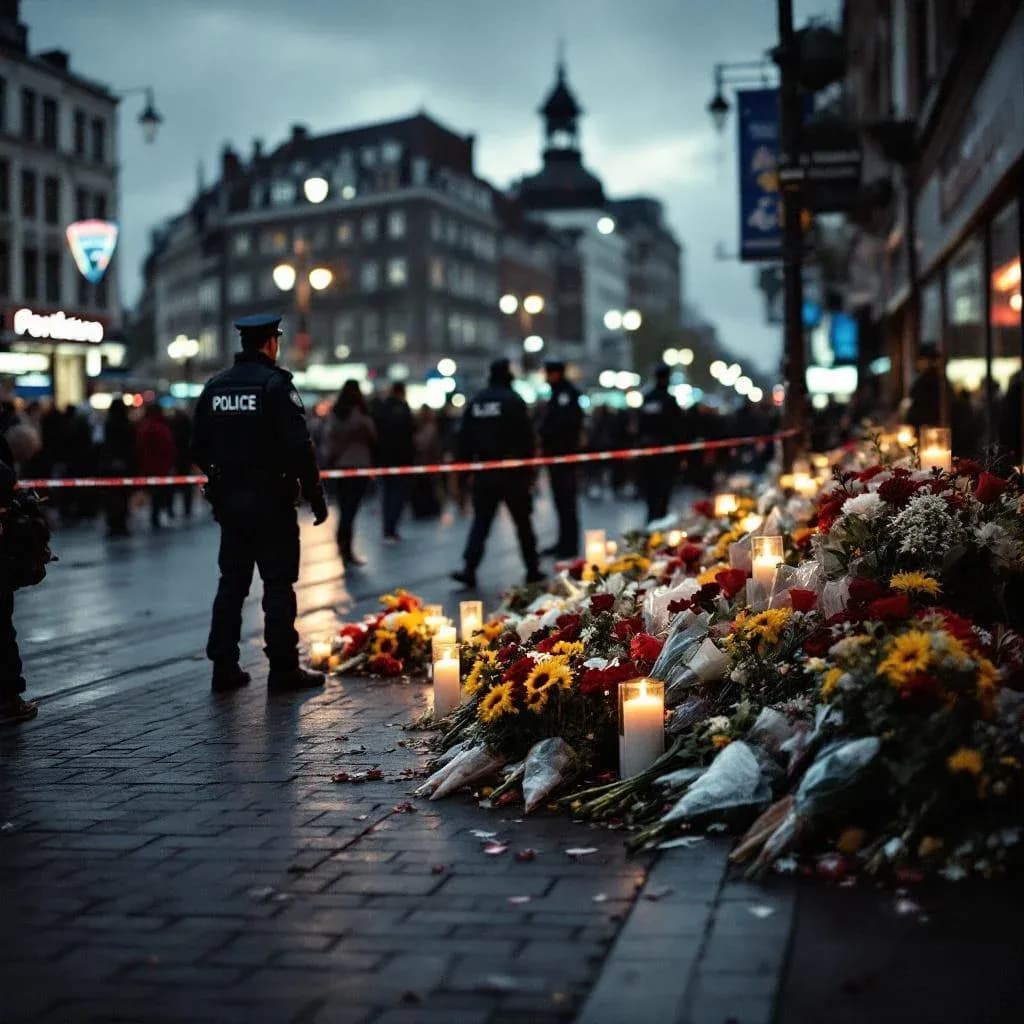
On May 31, 2024, an armed attack took place at Marktplatz in Mannheim during a public demonstration. A 25-year-old man of Afghan origin attacked participants in events organized by the right-wing extremist group Die Basis and pro-Palestinian activists with a kitchen knife. The attacker wounded six people, five of whom were police officers present to maintain order at the demonstration.
It was one of the most serious acts of violence in Germany in the years around 2024 and triggered intense discussions about security, integration, and radicalization. Germany had experienced several terrorist attacks and assaults from various ideological groups in the years prior, making the incident part of a broader context of violence and extremism.
The Attacker
The attacker was a 25-year-old man with Afghan citizenship who had lived in Germany for several years. According to German security policy and investigations, the man was known to have been radicalized and had interest in Islamist ideologies. Before the attack, he had not been in focus for German security authorities, which led to subsequent discussions about whether signs of radicalization could have been overlooked.
During the attack, the man acted impulsively, throwing himself directly among demonstrators and police without articulating a clear political manifesto or demands. This spontaneous nature made the attack even more unpredictable for the security forces present.
Reactions and Consequences
The attack triggered strong reactions at both national and international levels. German politicians from both left and right wings condemned the violence but interpreted the incident differently based on their ideological positions. Right-wing extremists used the attack as an argument for stricter immigration policy, while others pointed to the danger of using the actions of individuals to discriminate against entire groups of people.
The wounded police officers were treated for their injuries. The severity of their injuries varied, but the incident was described as a serious event in German police history. Police launched a comprehensive investigation to clarify the motivation behind the attack and whether there were signs of organized Islamist terrorism or if it was an isolated action by a single radicalized person.
Investigation and Security Debate
German security authorities conducted a thorough investigation and assessed that there were no signs of direct connections to organized terrorism. The attack was categorized as an action carried out by a radicalized individual rather than a coordinated terrorist attack. However, this became controversial, as some believed that Islamist radicalization should be classified as terrorism regardless of organizational level.
Municipal and state leaders in Baden-Württemberg and at federal level initiated discussions about how to better identify and help radicalized individuals before they commit violent acts. Some proposed measures such as better monitoring of extremist networks online, while others argued for improved integration and deradicalization programs.
Police Response
Police at the scene responded quickly and neutralized the threat by hitting the attacker with a vehicle or through other means to stop his violence. The speed of response was recognized as crucial in minimizing the number of wounded. Subsequently, first aid was provided to the wounded police officers and civilians.
Denmark and other European countries followed the developments closely, as European terrorism and extremism had been rising, and each new attack was analyzed for patterns and preventive strategies. Danish security police noted the incident as relevant for their own risk assessment regarding imported radicalization from migrants and integration populations.
Legal Aftermath
The attacker was charged and faced the German legal system. The case was handled as a serious violent crime, where the prosecution had to prove the motivation to determine whether it could be classified as terrorism or instead as "mere" aggravated violence. The legal question of the definition of terrorism versus violence by radicalized individuals became central in Danish and German courts in the years following.
The case was closely followed by human rights organizations, who were concerned that reactions to the attack could lead to discrimination against people of Afghan background or Muslims in general. Others focused on the need for better mental health and deradicalization measures.