# Boston's True Crime Tours Put You on the Streets Where the Strangler Struck
In the early 1960s, a serial killer terrorized Boston, Massachusetts, murdering at least thirteen women in a two-year reign of fear that shook an entire city and became one of the most debated criminal cases in American history. Today, walking tours across Boston revisit that era — guiding visitors through the neighbourhoods where the crimes unfolded and examining a case that, decades later, still divides criminologists and historians.
The Case That Haunts Boston
Between 1962 and 1964, thirteen women were found strangled in their apartments across Greater Boston. The murders were attributed to Albert DeSalvo, a local handyman who confessed to the killings while imprisoned on unrelated charges. However, DeSalvo was never formally tried for the stranglings — a legal and forensic gap that has fuelled controversy ever since. He was stabbed to death in Walpole State Prison in 1973, taking many unanswered questions with him.
In 2013, DNA evidence recovered from the scene of the final victim, Mary Sullivan, was found to match DeSalvo's profile — the strongest forensic link ever established between him and the crimes, though debate about his sole guilt continues among researchers and true crime scholars. The Boston Strangler case has inspired books, films, and a 2023 Hulu drama series, cementing its place in the cultural memory of American crime history.
What the Tours Cover
Several true crime and ghost tours operating in Boston incorporate the Strangler case into their itineraries, placing the crimes in their historical and geographic context. The Boston Ghosts and Gravestones Trolley Tour is among the established operators that reference Albert DeSalvo as part of a broader narrative about Boston's criminal past. Similarly, evening walking tours of the city include commentary on the Strangler case alongside other chapters of Boston's dark history.
The Beacon Hill True Crime Tour and the Boston Crime Tour — both bookable through Viator — take participants through some of Boston's most atmospheric neighbourhoods, connecting architecture, social history, and documented criminal cases. These tours are led by guides versed in local history, and while specific itinerary stops vary by operator, the tours generally explore areas linked to notorious cases that shaped the city's identity.
For a full overview of currently available true crime tours in Boston, including departure times, durations, and confirmed pricing, visit the Viator Boston Crime Tours listing and contact the operator directly for the most up-to-date details.
Getting There and What to Expect
Boston is easily accessible by air via Logan International Airport, located just across the harbour from downtown. The city's public transit system — the MBTA, colloquially known as the T — connects most neighbourhoods featured in crime tour itineraries. Many tours depart from central points such as Beacon Hill or the Back Bay area, though travellers should confirm exact meeting points when booking.
Tour durations for comparable Boston walking and trolley experiences typically range from two to two and a half hours, though visitors should verify this directly with their chosen operator. Wear comfortable shoes — Boston's historic neighbourhoods feature cobblestones and uneven footpaths, particularly around Beacon Hill and the older residential streets where several of the Strangler-era crimes occurred.
The City Beyond the Case
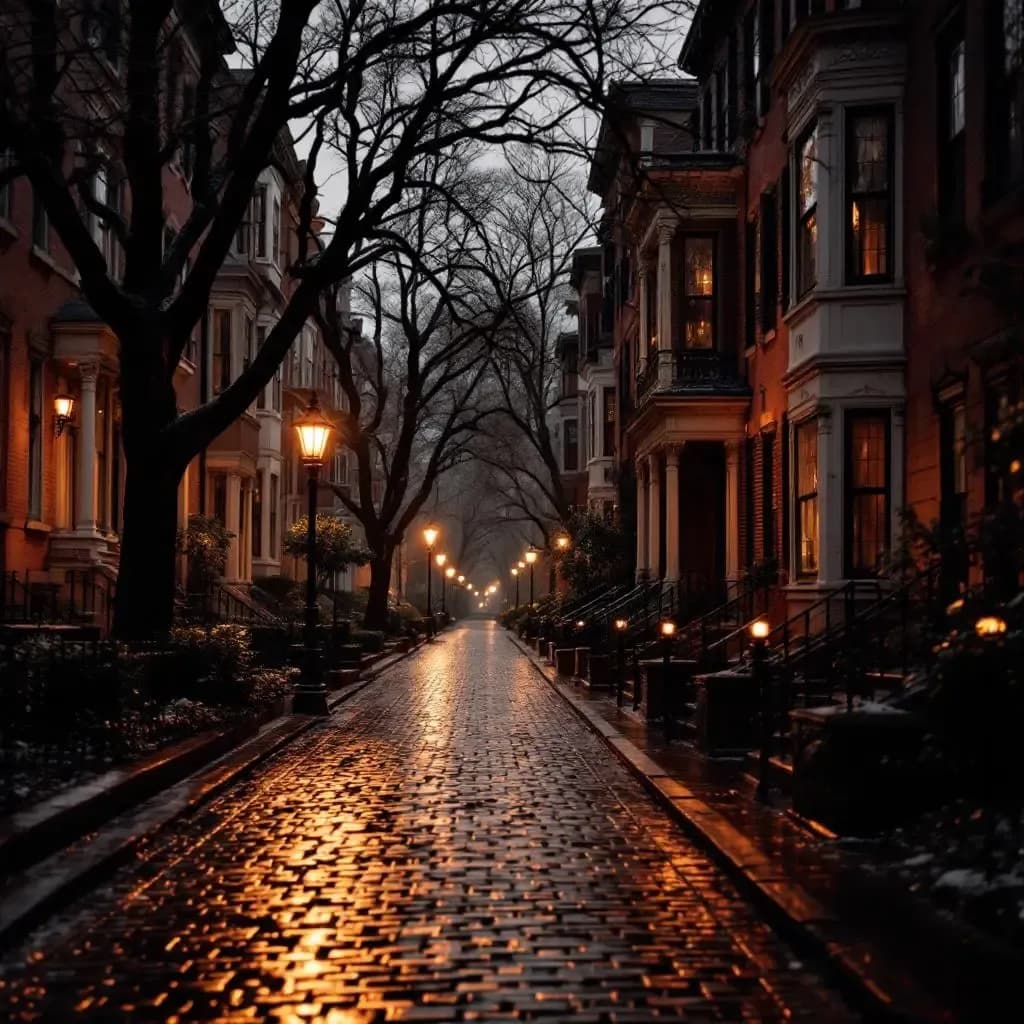
Boston rewards visitors who look beyond the tour itself. The neighbourhoods explored by these itineraries — Back Bay, Beacon Hill, the South End — are among the most architecturally striking in New England, lined with Federal-style brownstones and gas-lit streets that have changed remarkably little since the 1960s. Pair your crime tour with a visit to the Boston Public Library, the Massachusetts State House, or the waterfront — all within walking distance of the core tour areas.
For those interested in the formal legal and forensic history of the case, the Boston Public Library holds archival newspaper coverage from the original investigation, and several published accounts of the case are available locally.
A Case Still Open in Many Minds
What makes the Boston Strangler case enduringly compelling is precisely what makes it uncomfortable: the possibility that justice was never fully served, that the full truth was buried with DeSalvo, and that a city's trauma was resolved on paper but not in fact. Walking these streets — the same brick-lined blocks where residents once double-locked their doors and avoided open windows — is a reminder that true crime is not a genre. It is a geography, and Boston carries it quietly, written into the stones of a city that has never entirely moved on.