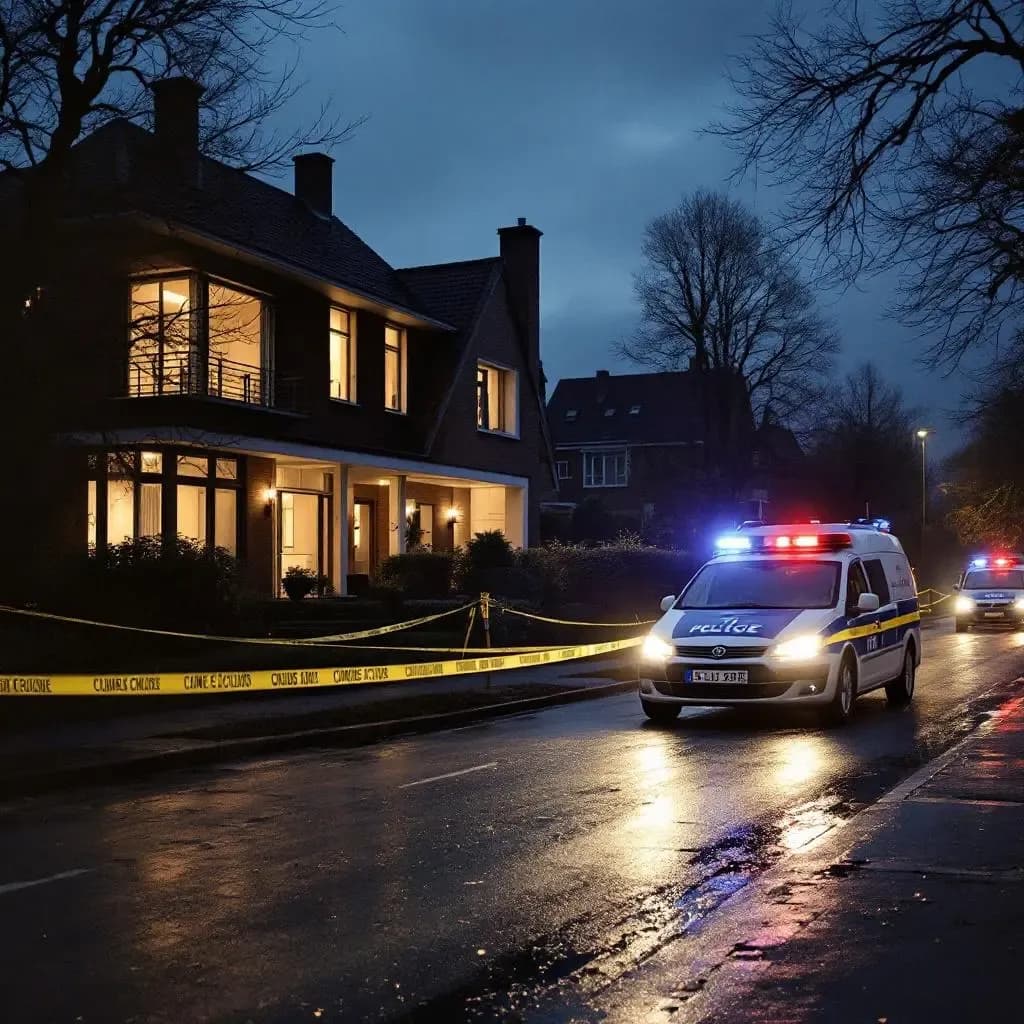
On November 2, 2007, British exchange student Meredith Kercher was discovered dead in her locked bedroom in a shared apartment in Perugia, Italy. She had been sexually assaulted and stabbed 40 times, with the fatal wound severing her thyroid artery. The murder would trigger one of the most controversial legal cases of the 21st century—one defined less by evidence than by sensational media coverage that shaped public opinion before facts ever reached the courtroom.
Amanda Knox, an American student and Kercher's roommate, and Knox's Italian boyfriend Raffaele Sollecito were arrested and charged with murder. In 2009, despite significant evidentiary problems, both were convicted. Knox received a 26-year sentence. The case immediately captured international headlines, with media outlets painting narratives that often contradicted the actual forensic record.
## The Unraveling of "Evidence"
The prosecution's case relied heavily on three key pieces of evidence—all of which collapsed under scrutiny. A kitchen knife from Sollecito's apartment was presented as the murder weapon, allegedly bearing Knox's DNA on the handle and Kercher's on the blade. Yet when examined rigorously, no trace of Kercher's DNA was found on the blade. Basic errors in gathering and analyzing the evidence suggested the investigation itself was flawed from the start.
A bloody bathmat footprint attributed to Sollecito turned out to match Guede's forefoot size instead. The bra clasp collected from Kercher's room—photographed on November 2 but not collected until December 18—had been moved between 4 and 5 feet. When analyzed, it contained multiple male DNA fragments alongside Kercher's, indicating contamination over the weeks it lay unsecured at the crime scene.
Mixed blood found in the bathroom became a linchpin claim that Knox had contact with Kercher's blood. But there was no direct physical evidence placing Knox in Kercher's bedroom during the murder.
## The Real Culprit
While Knox and Sollecito were being convicted on circumstantial evidence and forensic missteps, Rudy Guede's DNA was definitively linked to the crime scene. He remains the sole person convicted of Kercher's murder—a fact that should have immediately cast doubt on theories involving Knox and Sollecito.
## Acquittal and Vindication
In 2011, Knox and Sollecito's convictions were overturned on appeal. The court found that DNA evidence had been mishandled and that the investigation suffered from inexperience and basic procedural failures. The court ruled the case "impossible to solve" as originally processed.
On March 27, 2015, Italy's Supreme Court of Cassation definitively acquitted both Knox and Sollecito, declaring the case "without foundation" and formally pronouncing them innocent. Knox's 3-year defamation sentence—for falsely accusing a man during interrogation—was deemed served through her prior imprisonment.
## Systemic Failures
The case exposed critical vulnerabilities in Knox's legal protection. The European Court of Human Rights found that her rights were violated during interrogation, noting language barriers and her lack of legal representation while in custody—conditions that contributed to a false confession she later recanted.
Yet even with these findings, the media narrative that had defined the case for years proved difficult to displace. Trial by media had already convicted Knox in the court of public opinion long before appellate courts examined the evidence.
Meredith Kercher deserved justice. Amanda Knox deserved a fair trial. The Perugia case demonstrates how readily both can be undermined when sensational stories trump forensic reality, and when inexperienced investigations are allowed to build cases on contaminated evidence and procedural failures.
## Sources
https://en.wikipedia.org/wiki/Amanda_Knox
https://legaltalknetwork.com/podcasts/for-the-innocent/2025/09/breaking-down-the-amanda-knox-case-facts-vs-frenzy/
https://famous-trials.com/amanda-knox/2639-key-prosecution-evidence-in-the-amanda-knox-trial
https://innocenceproject.org/news/italian-high-court-condemns-amanda-knox-acquittal/