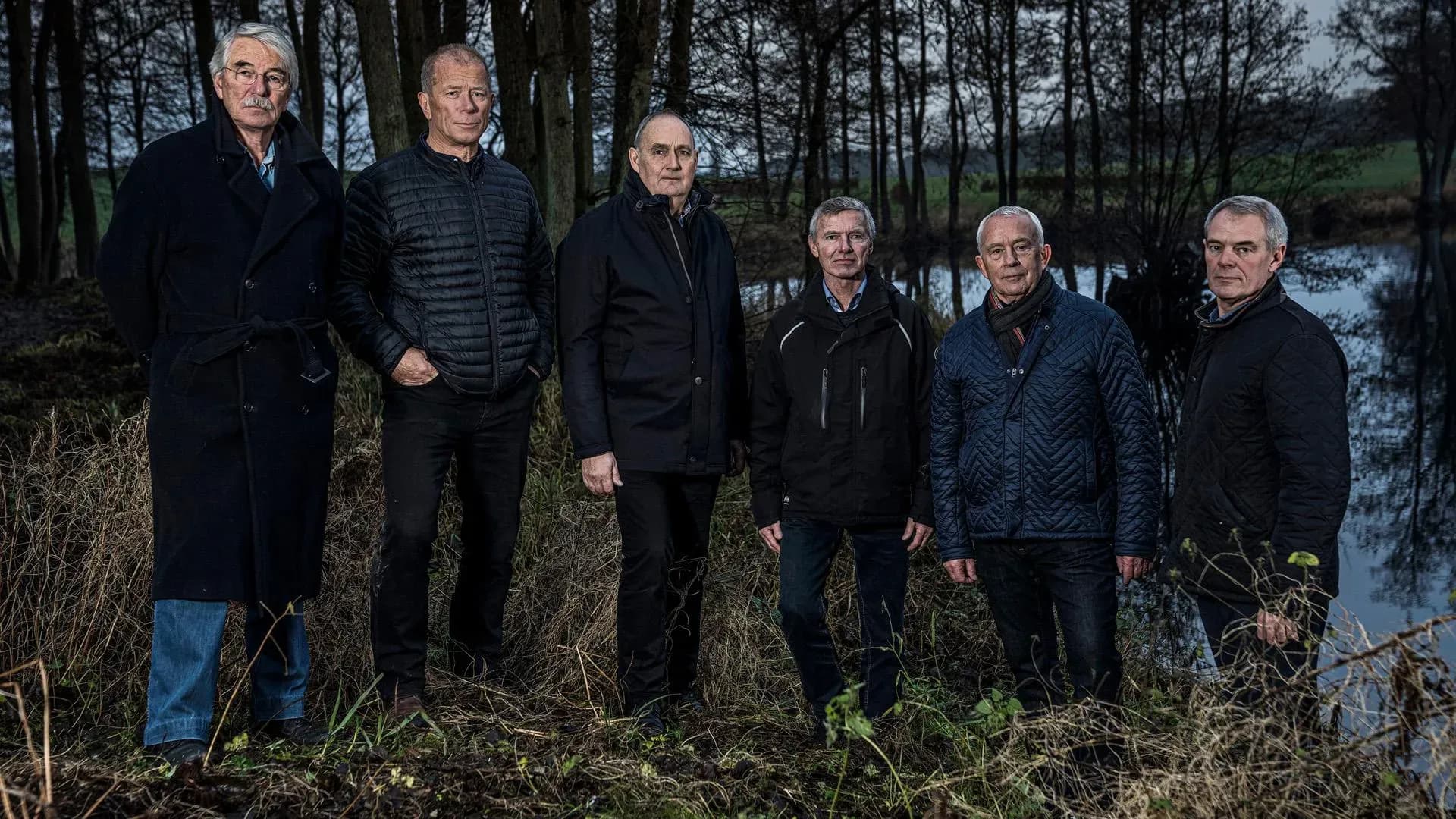
Denmark's Homicide Chiefs Expose the Nation's Darkest Crimes
Kurt Kragh and Ove Dahl bring three decades of murder investigations to television
Kurt Kragh and Ove Dahl represent the institutional memory of Danish criminal investigation. Kragh alone spent 37 years in law enforcement, including 27 years as a criminal commissioner and deputy chief of Rejseholdet, Denmark's Mobile Police Unit. Both men have interrogated killers, led investigations into high-profile homicides, and developed expertise in understanding the criminal mind across decades of casework.
Their television series, *Drabscheferne* (The Homicide Chiefs), brings this experience directly to viewers. The project extends a broader media footprint that began with their 2016 book *Drabscheferne - de største sager* (The Homicide Chiefs - The Biggest Cases), co-authored with TV reporter Stine Bolther. Beyond television, the investigators have maintained public engagement through live lectures and events, making their insights accessible to international audiences interested in how major homicides are solved and what drives people to commit them.
The cases featured in the series span some of Denmark's most significant criminal investigations. Among them are the Amagermanden case, which generated massive media coverage; the Stewardesse-drabet (Stewardess Murder), a prominent homicide that gripped the nation; and the Sonay-drabet, another case that drew substantial public attention. The 2016 book also documented the Martofte Murder, involving a 31-year-old man found murdered in his garden—a case that illustrates the diverse circumstances and motives behind Denmark's serious crimes.
Central to the investigators' work is a framework for understanding murder itself. Kragh and Dahl have identified seven primary motives that drive homicides: jealousy, lust, profit, power, elimination, revenge, and fanaticism. This taxonomy appears throughout their media work and provides structure for analyzing why individuals cross the line into violence. The framework reflects decades spent interviewing perpetrators, analyzing crime scenes, and reconstructing the psychological states that precede murder.