True crime news logo
  • News

Sign up for our newsletter and get the latest stories

Never miss the latest true crime news, reviews and top lists — plus new podcasts, series, films and books.

You can unsubscribe with one click from any email.

True crime news logo

The international true crime destination. Cases, documentaries, podcasts and travel routes.

© 2026 truecrime.news. All rights reserved.

Murder Without a Body reveals legal paradoxes

Murder Without a Body: Denmark's Landmark Conviction

A Danish documentary challenges a murder verdict built entirely on circumstantial evidence—with no corpse, no crime scene, and no eyewitnesses.

Published
May 26, 2025 at 10:00 PM

In November 2010, Henrik Haugberg Madsen disappeared. The 40-year-old businessman and convicted swindler vanished without trace from a rented holiday cottage on Enø island near Karrebæksminde in southern Zealand, Denmark. No goodbye. No body. No obvious answers.

Two years later, in 2012, two men stood convicted of his murder: Bo Madsen, Henrik's business partner and cohabitant, and Claus Stokholm Larsen, allegedly hired to carry out the killing. Bo received 13 years in prison; Claus received 15. The Danish legal system had rendered its verdict.

But here's the problem: there was no body, no crime scene, and no eyewitnesses to the alleged crime.

When journalist Jacob Kragelund set out to examine this case for TV 2's 2018 documentary series "Drabet uden lig" (Murder Without a Body), he uncovered what Danish legal experts describe as unique in the nation's judicial history—a murder conviction resting almost entirely on circumstantial evidence. The six-episode series, totaling 240 minutes, systematically dissects how two men ended up imprisoned for a crime with virtually no physical proof.

The prosecution's theory was straightforward: Bo Madsen orchestrated the murder of his business partner, hiring Claus Stokholm Larsen to execute the plan. Yet without a corpse, without forensic analysis of a crime scene, and without anyone claiming to have witnessed the killing, the case against them relied on indirect evidence—the kind that points toward guilt but doesn't conclusively prove it.

One piece of evidence prosecutors highlighted was a claim from Claus Stokholm Larsen's cellmate, who alleged that Claus had sold him the murder weapon and confessed details of the crime. But even this account came secondhand, filtered through prison walls and the fallible memory of an inmate.

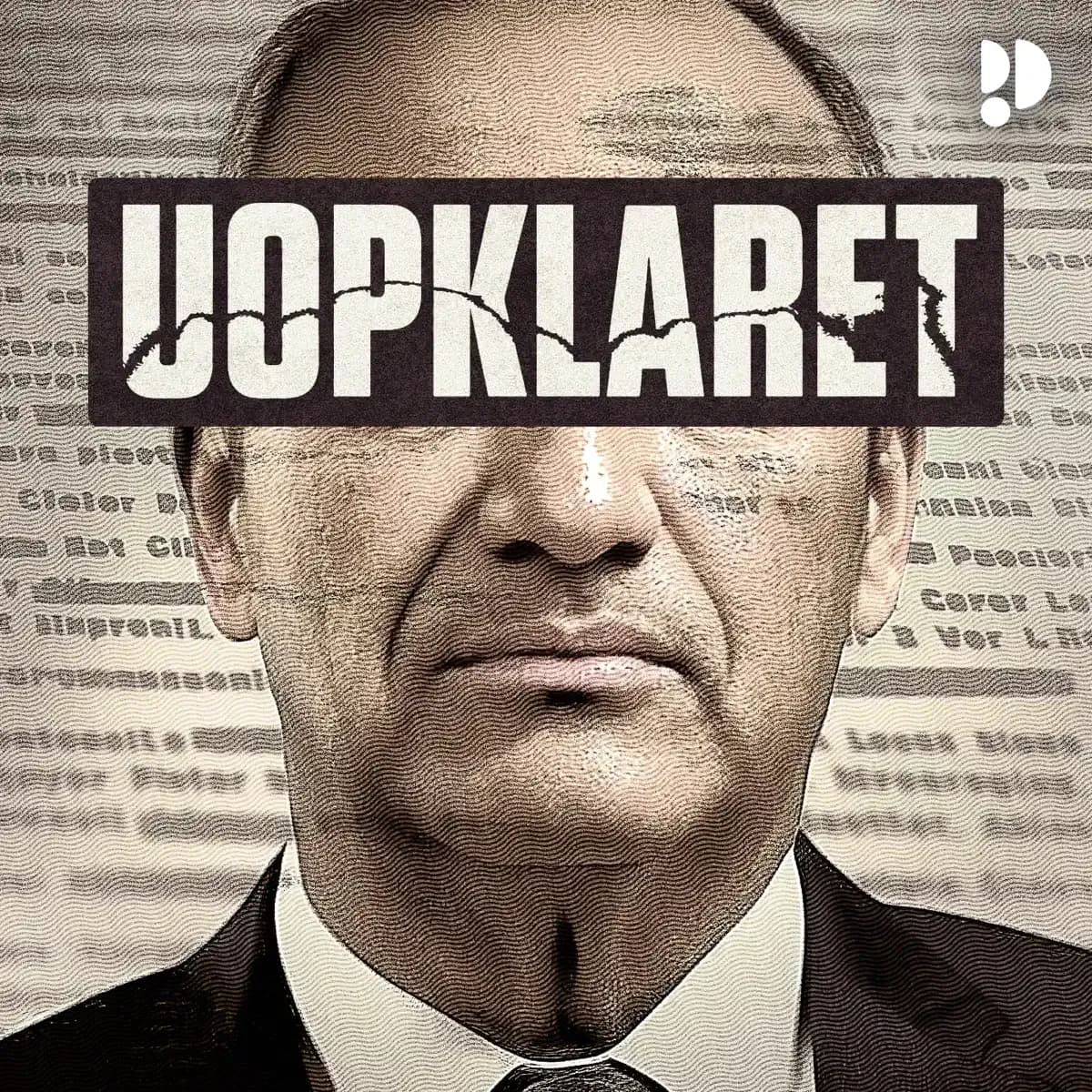
Kragelund's investigation revealed troubling patterns in the police work. Witness statements appeared unreliable. The investigation methodology raised questions about whether authorities had adequately explored alternative theories or possibilities. And the fundamental absence of physical evidence—no body, no DNA, no weapon recovered at a crime scene—cast an uncomfortable shadow over the entire prosecution.

The documentary's episode titles—including "Justitsmord" (Miscarriage of Justice) and "Lejemorderen" (The Hitman)—signal Kragelund's skepticism. Rather than presenting a straightforward crime narrative, the series interrogates the machinery of justice itself, asking whether conviction without concrete proof represents justice or its corruption.

This case raises a question that transcends Denmark: How much circumstantial evidence is enough? At what point does suspicion become proof, and suspicion become imprisonment? In most legal systems, conviction requires evidence "beyond a reasonable doubt." But what happens when there is no body to examine, no crime scene to analyze, and only the circumstantial threads connecting people to an alleged event?

Bo Madsen and Claus Stokholm Larsen maintain their innocence. Claus granted journalists access to case files, suggesting confidence in his ability to defend himself through transparency. Yet both remain imprisoned, their sentences upheld by the Danish court system.

For viewers and true crime observers internationally, "Drabet uden lig" offers more than entertainment. It presents a cautionary examination of how conviction can happen in the absence of the evidence we typically consider fundamental: the body, the scene, the witnesses. It asks whether the Danish justice system achieved justice or committed one.

**Sources** - https://soundvenue.com/film/2018/04/drabet-uden-lig-er-tv-2s-nye-true-crime-serie-for-manipulerende-304949 - https://www.ekkofilm.dk/anmeldelser/drabet-uden-lig/ - https://podimo.com/dk/audiobooks/6ab28f7d-f9e4-4bef-acb1-21f87436a9f5 - https://play.tv2.dk/info/drabet - https://www.dfi.dk/viden-om-film/filmdatabasen/film/drabet-uden-lig-oversigt

Read more

Danish Murder Cases Dissects Mysteries with Depth
Podcast

Danske Drabssager: Denmark's Premier True Crime Podcast

Unresolved digs deep into Denmark's mysterious crime cases
Podcast

Denmark's Hidden Cases: New Podcast Resurrects Forgotten Crimes

Danish Murder Cases
Podcast

Danske Drabssager: Inside Denmark's Darkest Murder Cases

Related Content
Danish Murder Cases Dissects Mysteries with Depth

Danske Drabssager: Denmark's Premier True Crime Podcast

Unresolved digs deep into Denmark's mysterious crime cases

Denmark's Hidden Cases: New Podcast Resurrects Forgotten Crimes

Danish Murder Cases

Danske Drabssager: Inside Denmark's Darkest Murder Cases

Danish Homicide Cases: A New Dimension in True Crime

Danske Drabssager: Denmark's Deep-Dive Murder Podcast

Advertisement
SS

Susanne Sperling

View all stories →
Share this post: