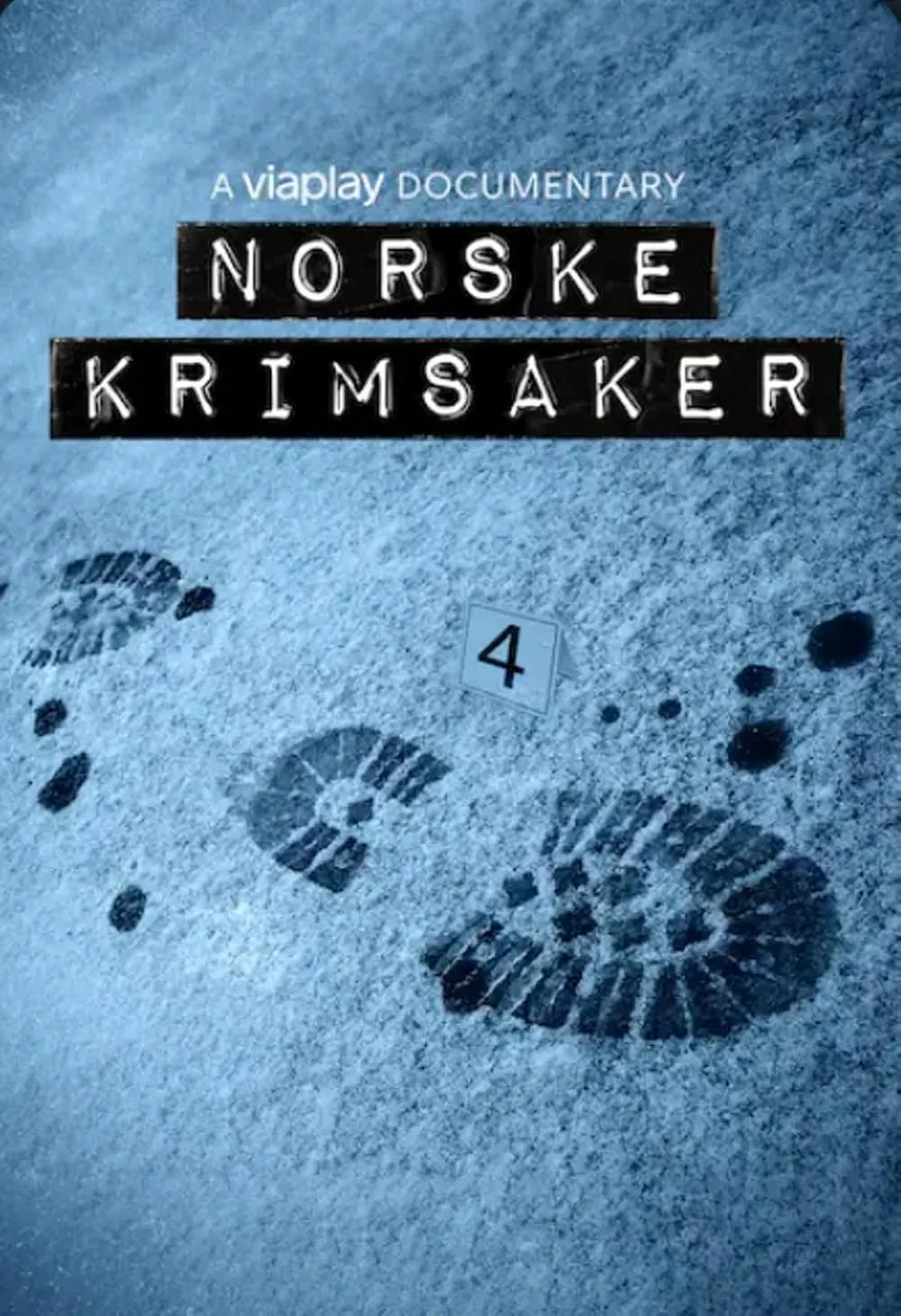
How Nordic Streamers Are Reshaping True Crime Storytelling
Viaplay's 'Norske Krimsaker' brings investigative depth and victim perspectives to Scandinavia's most notorious cases
When Viaplay launched 'Norske Krimsaker' (Norwegian Crime Cases) in 2019, the Nordic streaming platform signaled a notable shift in how Scandinavian true crime content reaches international audiences. Rather than exploit sensational details, the series pursues a more methodical approach: layering archival investigation materials with testimonies from people intimately connected to victims and cases.
The documentary series emerged at a moment when Nordic crime content had already captured global attention—from Swedish exports like 'The Nurse' to Danish productions examining systemic injustice. Yet 'Norske Krimsaker' distinguishes itself by prioritizing investigative transparency and personal narrative equally.
One of the series' focal points is the August 2019 case against Philip Manshaus, a shooting that became one of Norway's most scrutinized incidents of recent years. By examining such high-profile cases through the lens of investigation and human impact, the series reflects a broader Scandinavian documentary tradition: treating crime not as entertainment but as a lens through which to examine justice, institutional response, and societal fracture.
The series incorporates perspectives from Leif A. Lier, who held a prominent position in Norwegian homicide investigation. His involvement underscores the production's commitment to investigative credibility—bringing viewers not just the narrative arc of a case, but the methodology and reasoning behind it. This approach aligns with how Nordic true crime has increasingly positioned itself internationally: as serious documentary work rather than crime spectacle.
For international viewers unfamiliar with the Norwegian legal system, such series serve an additional function: they illuminate how Nordic jurisdictions approach serious crime investigation, prosecution, and victim support. Norway's transparent public record tradition and relatively small, tight-knit investigative community mean that cases often unfold with a directness that differs markedly from larger, more fragmented justice systems elsewhere.