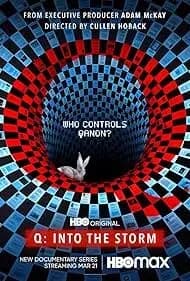
HBO's Q: Into the Storm Investigates QAnon's Shadowy Origins
Director Cullen Hoback's six-part documentary traces the conspiracy theory from 4chan to the Capitol siege
Cullen Hoback's HBO miniseries Q: Into the Storm premiered in March 2021 with an audacious mission: unmasking the origins of one of the internet's most consequential conspiracy theories. Across six episodes that aired between March 21 and April 4, 2021, the documentary investigates QAnon—a phenomenon that began with cryptic posts on 4chan in October 2017 and evolved into a global movement linked to real-world violence, including the January 6, 2021 Capitol siege.
The conspiracy began when an anonymous user claiming the pseudonym "Q" started posting on 4chan, asserting that they held Q-level security clearance and possessed insider knowledge of high-level government secrets. These initial posts were followed by hundreds more as Q migrated to 8chan (later rebranded as 8kun in 2019), which became the primary platform for Q's messages and the spiritual home of QAnon believers worldwide.
Hoback's investigation focuses on identifying who controls the Q identity. The documentary examines Jim Watkins and his son Ron Watkins, the operators of 8chan and later 8kun, suggesting they may either know Q's true identity or be Q themselves. Director Hoback has publicly stated his suspicion that Ron Watkins is Q, citing both motive and the technical skills required to operate such a sophisticated online operation. The series also investigates other figures, including Fred, who created 8chan, and examines potential connections to Steve Bannon in Episode 4.
Despite the mounting investigative pressure, both Jim and Ron Watkins have consistently denied knowing Q's identity. Ron Watkins notably released a denial shortly before the series premiered, preempting the documentary's revelations.
Beyond identification, Q: Into the Storm explores the mechanisms through which anonymity amplified QAnon's power and reach. The documentary demonstrates how the vagueness of Q's posts—deliberately cryptic messages that followers interpreted through confirmation bias—allowed the conspiracy to grow across ideological and demographic lines. What started as fringe internet culture rapidly infected mainstream discourse, drawing adherents from across the political spectrum.