How HBO's Syed Documentary Exposed Flaws in US Justice System
The 2019 miniseries 'The Case Against Adnan Syed' examines wrongful conviction risks that concern international legal scholars
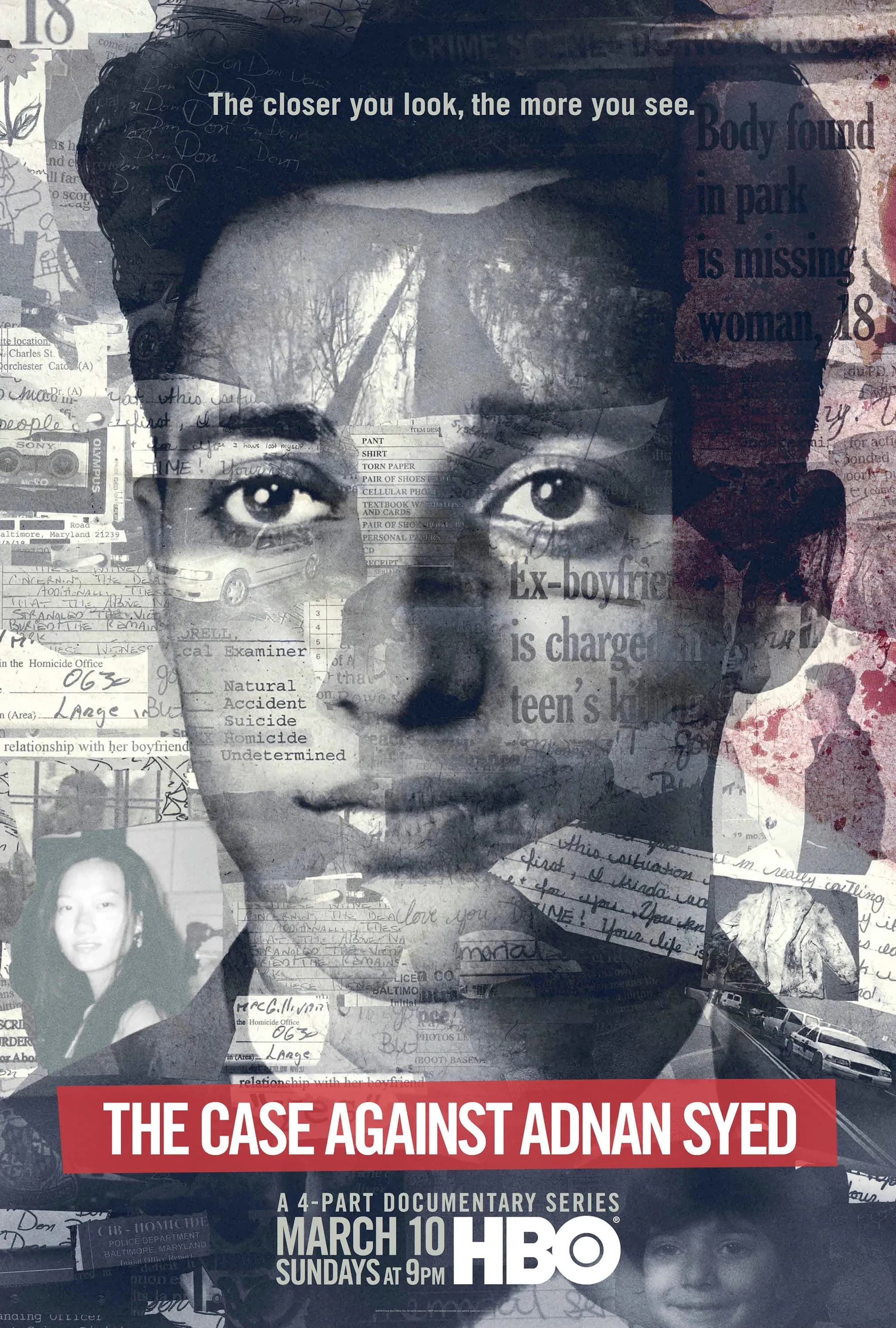
When HBO premiered *The Case Against Adnan Syed* on March 10, 2019, it reignited one of America's most scrutinized murder cases—one that had already captured international attention through the wildly popular *Serial* podcast five years earlier. The four-part documentary series, directed by Amy J. Berg and produced by Working Title Television, dissects the 1999 Baltimore County murder of 18-year-old Hae Min Lee and the life sentence handed to her ex-boyfriend, Adnan Syed, in 2000.
For viewers outside the United States, the case exemplifies vulnerabilities in the American criminal justice system that differ markedly from legal frameworks in Europe and other developed democracies. Unlike many jurisdictions with established appeals processes and judicial review mechanisms, the U.S. system—particularly at state level—can leave defendants in legal limbo for years, dependent on media attention or advocacy groups to reexamine evidence.
**The Crime and Initial Conviction**
Hae Min Lee disappeared on January 13, 1999, after school in Baltimore County, Maryland. Her strangled body was discovered six weeks later in Leakin Park. Syed was arrested in February 1999 and convicted in February 2000 after a jury deliberated for just two hours. He received a life sentence plus 30 years. The speed of the conviction—and subsequent doubts about evidence—became the documentary's focal point.
Berg's investigation highlights the case's reliance on a single key witness: Jay Wilds, an acquaintance of Syed who testified that Syed confessed to him and showed him Lee's body. Wilds' testimony was central to the prosecution's case, yet his account contained inconsistencies and was never independently corroborated. For international legal observers accustomed to systems requiring corroborating evidence or cross-examination protocols, the weight placed on one witness's word is striking.