True crime news logo
  • News

Sign up for our newsletter and get the latest stories

Never miss the latest true crime news, reviews and top lists — plus new podcasts, series, films and books.

You can unsubscribe with one click from any email.

True crime news logo

The international true crime destination. Cases, documentaries, podcasts and travel routes.

© 2026 truecrime.news. All rights reserved.

The Devil You Know: Unveiling Faith and Fear

The Devil You Know: Inside Satanism's Darkest Cases

Two documentaries explore real crimes blamed on devil worship and the panic that destroyed lives

Published
May 26, 2025 at 10:00 PM

Two documentaries titled *The Devil You Know* offer conflicting portraits of Satanism in America—one rooted in genuine crime, the other in mass delusion.

## VICE TV's Satanic Slayings

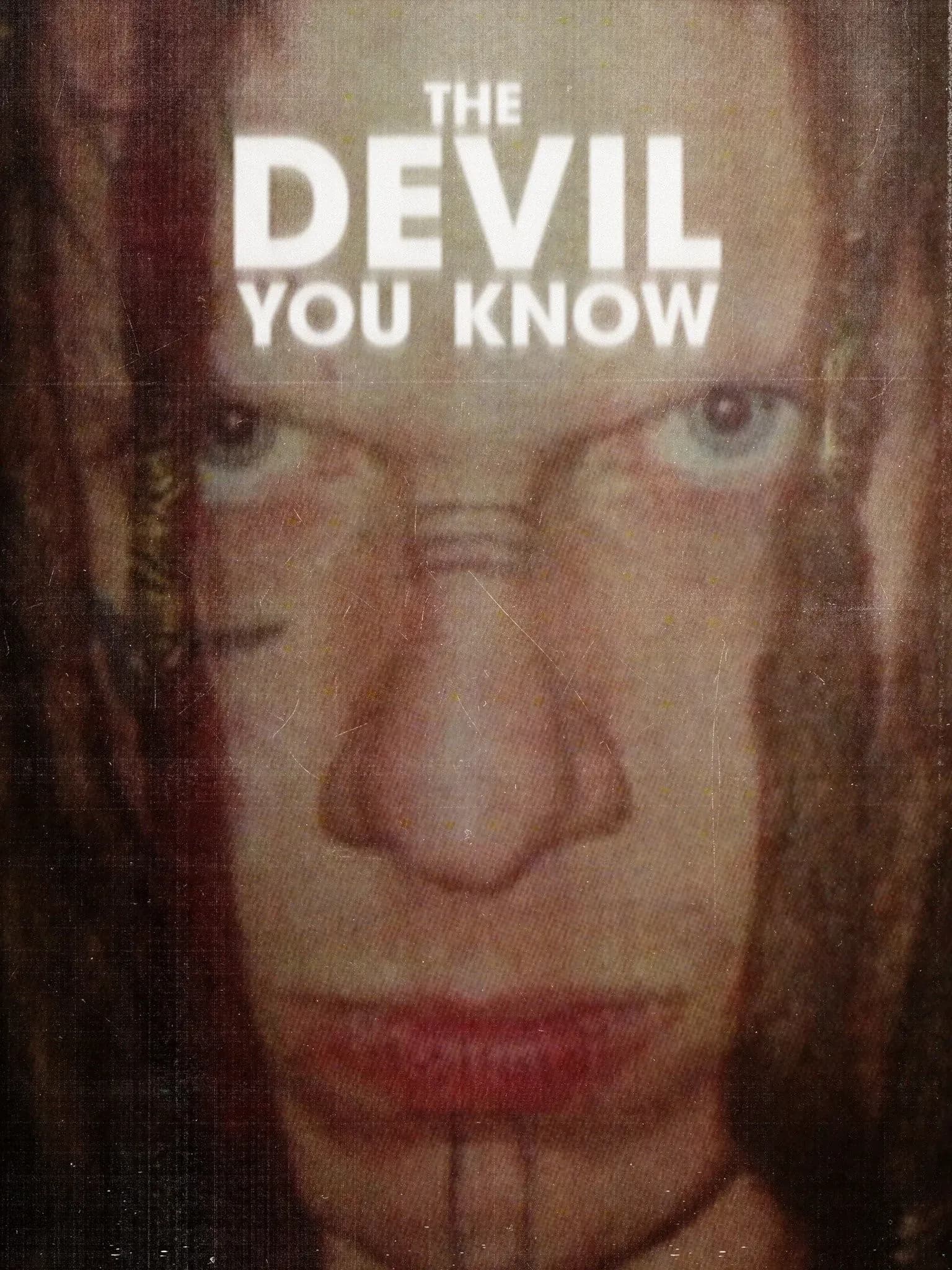
VICE Studios' six-part series focuses on Pazuzu Algarad, a self-proclaimed Satanist in Clemmons, North Carolina, whose real name was John Lawson. He legally changed it to Pazuzu Algarad, borrowing the demon's name from *The Exorcist*, and created a house of horrors that attracted outcasts and troubled youth.

The Clemmons residence became notorious for extreme behavior: self-harm, drug use, orgies, defecation on floors, and Satanic symbols including pentagrams. Behind this chaos lay murder. In 2015, police discovered two bodies buried in the backyard—Joshua Wetzler and Tommy Welch. Algarad and two of his fiancées were charged with first-degree murder. His mother also faced charges related to the deaths.

After Algarad's arrest, authorities deemed the house unfit for human habitation and demolished it in April 2015. The series features journalist Matt Gillespie reflecting on the case's moral complexity, stating his belief in "bad things in this world" alongside "capacity for goodness in all people."

## The Satanic Panic Epidemic

The CBC podcast series, also called *The Devil You Know* and hosted by Sarah Marshall, takes a radically different approach—examining the Satanic Panic that gripped America from the 1980s through the 1990s. This was mass hysteria on an unprecedented scale: unfounded fears of Satanic cults, devil worship, brainwashing, and baby sacrifices that destroyed families and imprisoned the innocent.
The series begins by tracing panic's origins and its explosive growth through mainstream culture. A pivotal moment came with *Michelle Remembers*, an influential 1980 book by psychiatrist Lawrence Pazder and his patient Michelle Smith. The book detailed alleged Satanic ritual abuse, claimed to be recovered through therapy. It sparked nationwide fear of devil-worshipping cults and became a bestseller—yet shattered the lives of both Smith and Pazder.

The podcast examines how unfounded fears spread through communities. The West Memphis Three case became emblematic: after child murders in a small town, rumors fingered "devil worshippers," leading to conspiracy charges against residents. Self-appointed experts trained others on identifying Satanic cults and ritual abuse—spreading misinformation that would take decades to fully debunk.

Marshall's series contextualizes the panic against the actual history of Satanism in America. Anton LaVey's Church of Satan, founded in San Francisco in the 1960s-70s, promoted self-worship and atheistic philosophy—nothing resembling the mass-sacrifice conspiracies that panicked parents feared. Yet the real Church of Satan's existence became twisted into urban legend.

## Two Truths, One Title

The coinciding titles highlight a troubling paradox: while Algarad's murders represent genuine crimes with a Satanic dimension, the Satanic Panic destroyed lives based on fabricated threats. One documentary examines evil as it genuinely occurred; the other dissects mass delusion that weaponized the label "Satanist" against the innocent.

Both series arrive at similar conclusions about human capacity for darkness—but they define darkness differently. One is about calculated murder wrapped in ideology. The other is about fear, false memory, and institutional failure to question wild narratives.

For international audiences unfamiliar with America's 1980s-90s cultural upheaval, the contrast is instructive: it reveals how fear can spread faster than facts, and how a single label—"Satanist"—can mean radically different things depending on context.

## Sources

- https://www.sbs.com.au/whats-on/article/the-facts-behind-the-satanic-slayings-in-the-devil-you-know/3d4vbiq3p - https://www.denofgeek.com/tv/the-devil-you-know-review/ - https://yourewrongabout.buzzsprout.com/1112270/episodes/18087532-introducing-the-devil-you-know-with-sarah-marshall - https://www.youtube.com/watch?v=LgfV2zcPjcc - https://en.wikipedia.org/wiki/Satanic_panic

Read more

Crime podcast: Norway's enigmatic cases
Podcast

Inside Norway's Most Perplexing Cases: A Podcast Examines Justice System Limits

Brottstycken unveils Sweden's crime history
Book

Sweden's Hidden Court Murders: How a Podcast Revived Cold Cases

The Prosecutors: Unveiling Complex Cases
Podcast

The Prosecutors Podcast: Cold Cases Through Legal Eyes

Related Content
Crime podcast: Norway's enigmatic cases

Inside Norway's Most Perplexing Cases: A Podcast Examines Justice System Limits

Brottstycken unveils Sweden's crime history

Sweden's Hidden Court Murders: How a Podcast Revived Cold Cases

The Prosecutors: Unveiling Complex Cases

The Prosecutors Podcast: Cold Cases Through Legal Eyes

True Crime Garage: fascinating true crime masterstroke

How True Crime Podcasts Are Reshaping Missing Persons Investigations

Advertisement
SS

Susanne Sperling

View all stories →
Share this post: