The First 48: America's Most Controversial Crime Documentary
How a groundbreaking A&E series exposed—and obscured—the truth in homicide investigations
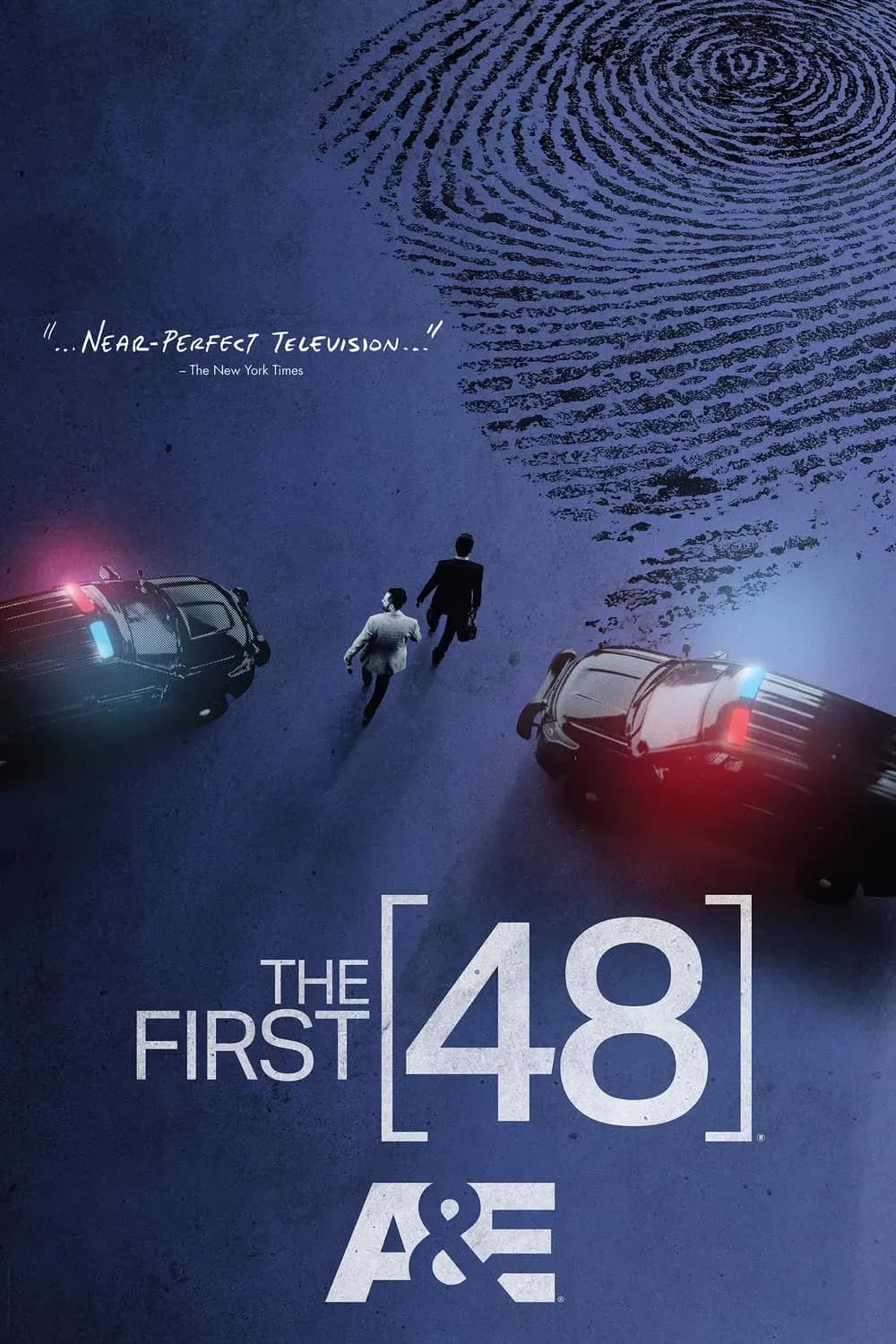
*The First 48* premiered on A&E in 2004 as an innovative documentary news magazine. Produced by Kirkstall Road Enterprises and ITV America, and narrated by Dion Graham, the series followed homicide detectives through their most critical hours—the first 48 hours after a murder. Filmed across multiple U.S. cities, each episode documented one or more investigations, showcasing forensic evidence, witness interviews, and detective work in real time.
For nearly two decades, the series maintained steady viewership and critical interest. Yet as cases featured on the show moved through the justice system, troubling questions emerged about the show's editorial practices and their impact on the accused.
## The Taiwan Smart Case
On November 18, 2009, Taiwan Smart was charged with two counts of second-degree murder in Miami. The case, which featured in the episode "Inside Job," involved the deaths of Smart's two roommates in the Little Haiti neighborhood. While the episode documented the investigation, later scrutiny revealed that police had made significant errors in their detective work. More problematically, *The First 48* was accused of misrepresenting a key witness's statement—a editorial choice that potentially shaped public perception of guilt before trial.
## The Death of Aiyana Jones
The most tragic intersection of the show and criminal justice came on May 16, 2010, in Detroit. During a SWAT raid filmed by *The First 48* cameras, 7-year-old Aiyana Jones was shot and killed. The operation targeted a homicide suspect in a duplex where Jones lived with her family. The presence of the documentary crew during the raid raised immediate ethical questions about police conduct when cameras are rolling.