Unsolved Mysteries: How a Documentary Series Solved Real Crimes
From NBC's iconic 1988 launch to its Lifetime revival, the show that cracked over half its cases
Unsolved Mysteries debuted as a weekly series on NBC on October 5, 1988, becoming one of television's most influential documentary programs. Created by John Cosgrove and Terry Dunn Meurer, the show combined dramatic re-enactments with investigative storytelling to profile unsolved crimes, missing persons cases, and unexplained phenomena including paranormal activity, alien abductions, and UFO sightings.
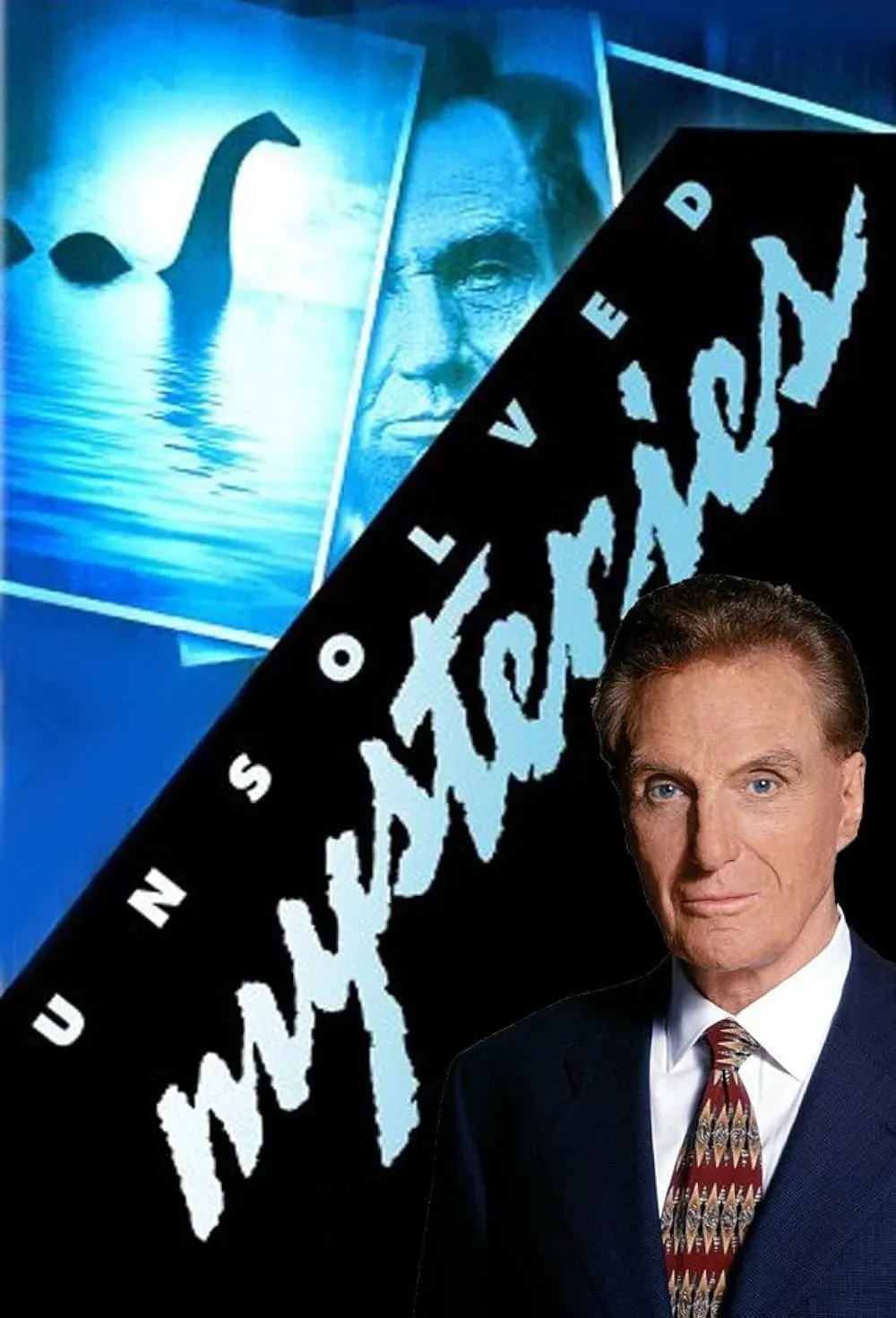
The series didn't arrive fully formed. It began as a trio of special broadcasts titled Missing… Have You Seen This Person? on NBC in April 1986, hosted by David Birney and Meredith Baxter. Additional specials followed, with hosts including Raymond Burr in a pilot episode and Karl Malden in early installments, before Robert Stack became the face of the franchise for its most recognizable era.
Stack's gravitas and distinctive narration defined Unsolved Mysteries throughout its original NBC run. Each episode typically featured four segments plus updates on cases from earlier seasons, many involving unexplained deaths or missing individuals whose fates remained unknown. The show's willingness to explore paranormal and conspiracy-adjacent content prompted NBC News to insert a disclaimer before each broadcast, clarifying that the program was "not a news broadcast" due to its coverage of supernatural and speculative material.
The impact was substantial. Over its original broadcast lifetime, Unsolved Mysteries profiled more than 1,000 cases. Remarkably, more than half of the episodes featuring wanted fugitives resulted in actual arrests and convictions. The series reunited over 100 separated families, transforming it from entertainment into a genuine investigative tool. These outcomes earned six Emmy nominations in the Outstanding Informational Series category, validating its journalistic credibility despite its paranormal segments.