True crime news logo
  • News
True crime news logo

The international true crime destination. Cases, documentaries, podcasts and travel routes.

© 2026 truecrime.news. All rights reserved.

Sagsmappe

Duisburg Massacre 2007

Italiensk mafiakonflikt endte med seks italienske drab i tysk industriby

Mappe Åbnet: MAY 8, 2026 AT 12:31 AM
Duisburg-Massaker 2007
BEVIS

Sagsdetaljer

Quick Facts

Klassifikation:

Ndrangheta
organized crime
Mafia
Duisburg
Germany
Bandekonflikt
Massaker 2007

Quick Facts

LocationDuisburg, Germany

The Massacre on Ferdinandstraße

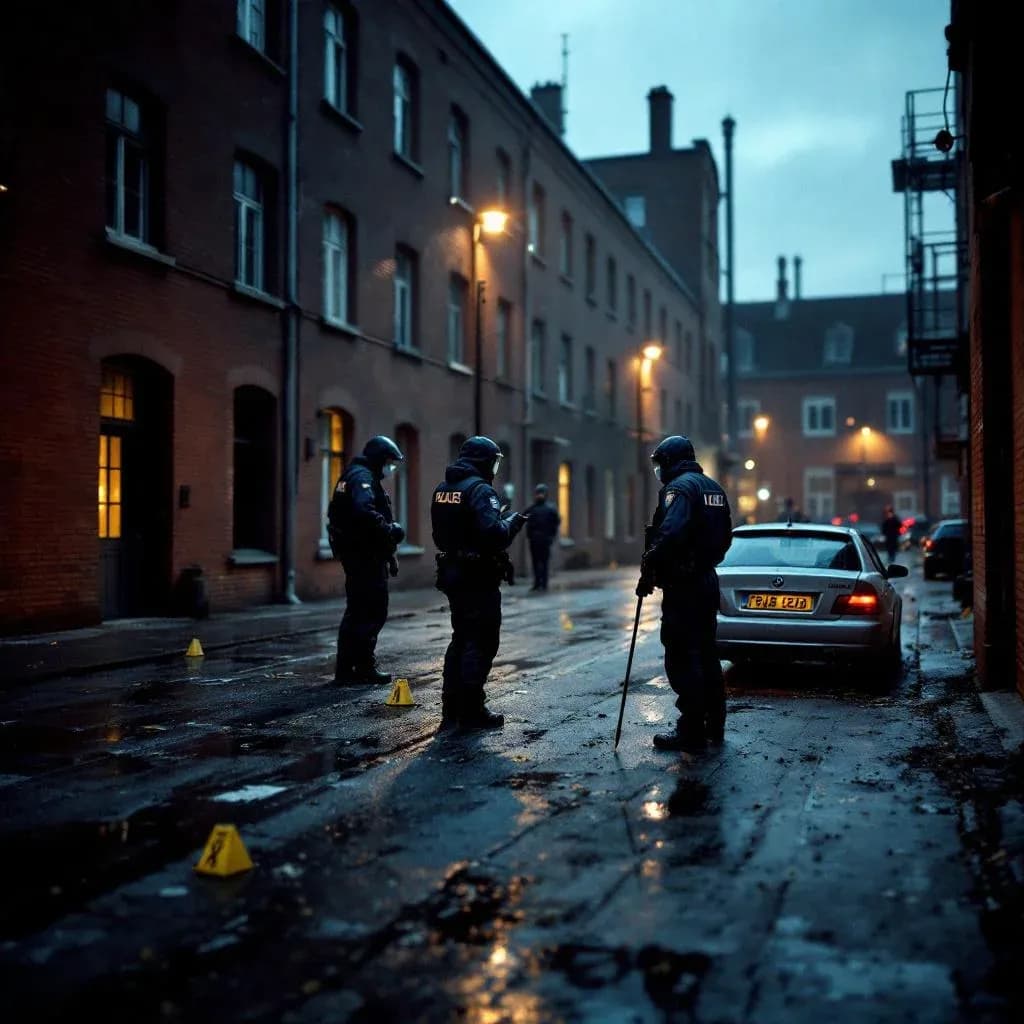
On August 15, 2007, around 10 p.m., Italian mafia members were picked up from the restaurant Ristorante da Bruno on Ferdinandstraße in Duisburg. Six men were taken to a neighboring property behind an Italian ice cream parlor. There they were shot down with military precision — some struck by numerous bullets, others executed with shots to the head. It was the year's most brutal European mafia attack.

The victims were:

- Girolamo Gullace (39) - Domenico Stillitano (26) - Rocco Saraca (29) - Oreste Spizzirri (37) - Giovanni Strangio (21) - Salvatore Castagnino (26)

All were members of or associated with the Ndrangheta organization from Calabria in Italy. Most came from the town of San Luca — an area known as the Ndrangheta's stronghold and previously marked by internal mafia feuds.

Background: The Feud in San Luca

The Duisburg massacre was not an isolated event, but the culmination of a conflict that had been growing over several years between two Ndrangheta clans in San Luca: the Strangio-Nirta clan and the Pelle-Vottari clan. The feud had roots dating back to the 1980s, but escalated dramatically in the mid-2000s.

Italian mafia operators had gradually established themselves in Germany, where they conducted drug trafficking and other illegal enterprises. The Duisburg area became a central hub for their European operations. Gang members could move freely across borders without facing the same scrutiny they would encounter in Italy.

The original conflict between the clans had started over territory, trade control, and slights — classic mafia reasons. But the conflict had become more personal and brutal. One of the murdered men, Giovanni Strangio, was the son of boss Giovanni "Il Giallo" Strangio.

Sted
Duisburg, Germany

Identity of the Perpetrators

German and Italian police immediately launched a comprehensive investigation. German police authorities worked closely with Italian Carabinieri and the anti-mafia organization DDA (Direzione Distrettuale Antimafia).

The investigation established that the perpetrators came from the Pelle-Vottari clan. The massacre was planned and executed as an organized attack — not a spontaneous outburst. It was an execution coordinated at high levels within the organization.

In the years following, several perpetrators were identified and arrested through witness statements, telephone surveillance, and ballistic evidence. However, some of the primary shooters remained not fully identified or were not charged. Italian courts issued sentences between 2010-2012.

Investigation and Prosecution

The Italian justice system took the case very seriously. Prosecutors focused on documenting the chain of command and which leaders within the Ndrangheta organization had given the order. It became clear that the massacre was not merely an episode in a gang war — it was also a signal to rival members.

Mafia verdicts in Italy have since established that six men were directly involved in the shootings. Several others were convicted of complicity or facilitating the attack.

The German justice system had a lesser legal role to play, as the victims were Italian citizens and the perpetrators were primarily prosecuted in Italy. Germany focused on assisting with evidence and witnesses.

Cultural and Organizational Implications

The Duisburg massacre shone a spotlight on the Ndrangheta's international expansion. While Cosa Nostra's dominance in Sicily was known, the Ndrangheta's ability to operate invisibly outside Italy had been underestimated by law enforcement.

The massacre also demonstrated how brutal Italian gang conflicts could become outside the homeland. In Italy, a kind of "code" had developed regarding when and where violence could be exercised. In Germany, these rules carried less weight — the murders were committed in a publicly accessible area in a major city.

It subsequently became a catalyst for German and European focus on Italian organized crime. Europol and national police forces increased their efforts against Ndrangheta activities on the continent.

Sentences and Punishments

Italian courts convicted several individuals for their roles in the massacre. Sentences were lengthy, typically life imprisonment or 20-30 years for those directly involved. Some were convicted in absentia.

The precise length of sentences for each person varies, but the appellate court rulings from 2010-2012 stood firm. Some perpetrators were later arrested after lengthy flight.

Aftermath

The massacre became a turning point in European understanding of Italian organized crime. It demonstrated that mafia organizations were willing to commit serious violence across national borders, and that the traditional mafia war in Southern Italy had global consequences.

Today, the Duisburg massacre is used as a case study in both police training and academic studies of organized crime in Europe. It symbolizes both the Ndrangheta's brutal methods and the transnational character of modern European mafia.
Read more

Die Paten von Duisburg — Petra Reskis preisgekrönte Analyse
Book

Italian Journalist Exposes Mafia Blindness in Germany

Related Content
Die Paten von Duisburg — Petra Reskis preisgekrönte Analyse

Italian Journalist Exposes Mafia Blindness in Germany

Advertisement
SS

Susanne Sperling

View all stories →
Share this post:
Sagsmappe

Duisburg Massacre 2007

Italiensk mafiakonflikt endte med seks italienske drab i tysk industriby

Mappe Åbnet: MAY 8, 2026 AT 12:31 AM
Duisburg-Massaker 2007
BEVIS

Sagsdetaljer

Quick Facts

Klassifikation:

Ndrangheta
organized crime
Mafia
Duisburg
Germany
Bandekonflikt
Massaker 2007
Sted
Duisburg, Germany

Quick Facts

LocationDuisburg, Germany

The Massacre on Ferdinandstraße

On August 15, 2007, around 10 p.m., Italian mafia members were picked up from the restaurant Ristorante da Bruno on Ferdinandstraße in Duisburg. Six men were taken to a neighboring property behind an Italian ice cream parlor. There they were shot down with military precision — some struck by numerous bullets, others executed with shots to the head. It was the year's most brutal European mafia attack.

The victims were:

- Girolamo Gullace (39) - Domenico Stillitano (26) - Rocco Saraca (29) - Oreste Spizzirri (37) - Giovanni Strangio (21) - Salvatore Castagnino (26)

All were members of or associated with the Ndrangheta organization from Calabria in Italy. Most came from the town of San Luca — an area known as the Ndrangheta's stronghold and previously marked by internal mafia feuds.

Background: The Feud in San Luca

The Duisburg massacre was not an isolated event, but the culmination of a conflict that had been growing over several years between two Ndrangheta clans in San Luca: the Strangio-Nirta clan and the Pelle-Vottari clan. The feud had roots dating back to the 1980s, but escalated dramatically in the mid-2000s.

Italian mafia operators had gradually established themselves in Germany, where they conducted drug trafficking and other illegal enterprises. The Duisburg area became a central hub for their European operations. Gang members could move freely across borders without facing the same scrutiny they would encounter in Italy.

The original conflict between the clans had started over territory, trade control, and slights — classic mafia reasons. But the conflict had become more personal and brutal. One of the murdered men, Giovanni Strangio, was the son of boss Giovanni "Il Giallo" Strangio.

Identity of the Perpetrators

German and Italian police immediately launched a comprehensive investigation. German police authorities worked closely with Italian Carabinieri and the anti-mafia organization DDA (Direzione Distrettuale Antimafia).

The investigation established that the perpetrators came from the Pelle-Vottari clan. The massacre was planned and executed as an organized attack — not a spontaneous outburst. It was an execution coordinated at high levels within the organization.

In the years following, several perpetrators were identified and arrested through witness statements, telephone surveillance, and ballistic evidence. However, some of the primary shooters remained not fully identified or were not charged. Italian courts issued sentences between 2010-2012.

Investigation and Prosecution

The Italian justice system took the case very seriously. Prosecutors focused on documenting the chain of command and which leaders within the Ndrangheta organization had given the order. It became clear that the massacre was not merely an episode in a gang war — it was also a signal to rival members.

Mafia verdicts in Italy have since established that six men were directly involved in the shootings. Several others were convicted of complicity or facilitating the attack.

The German justice system had a lesser legal role to play, as the victims were Italian citizens and the perpetrators were primarily prosecuted in Italy. Germany focused on assisting with evidence and witnesses.

Cultural and Organizational Implications

The Duisburg massacre shone a spotlight on the Ndrangheta's international expansion. While Cosa Nostra's dominance in Sicily was known, the Ndrangheta's ability to operate invisibly outside Italy had been underestimated by law enforcement.

The massacre also demonstrated how brutal Italian gang conflicts could become outside the homeland. In Italy, a kind of "code" had developed regarding when and where violence could be exercised. In Germany, these rules carried less weight — the murders were committed in a publicly accessible area in a major city.

It subsequently became a catalyst for German and European focus on Italian organized crime. Europol and national police forces increased their efforts against Ndrangheta activities on the continent.

Sentences and Punishments

Italian courts convicted several individuals for their roles in the massacre. Sentences were lengthy, typically life imprisonment or 20-30 years for those directly involved. Some were convicted in absentia.

The precise length of sentences for each person varies, but the appellate court rulings from 2010-2012 stood firm. Some perpetrators were later arrested after lengthy flight.

Aftermath

The massacre became a turning point in European understanding of Italian organized crime. It demonstrated that mafia organizations were willing to commit serious violence across national borders, and that the traditional mafia war in Southern Italy had global consequences.

Today, the Duisburg massacre is used as a case study in both police training and academic studies of organized crime in Europe. It symbolizes both the Ndrangheta's brutal methods and the transnational character of modern European mafia.

Read more

Die Paten von Duisburg — Petra Reskis preisgekrönte Analyse
Book

Italian Journalist Exposes Mafia Blindness in Germany

Related Content
Die Paten von Duisburg — Petra Reskis preisgekrönte Analyse

Italian Journalist Exposes Mafia Blindness in Germany

Advertisement
SS

Susanne Sperling

View all stories →
Share this post: