# Budapest's House of Terror Stands as Europe's Most Chilling Cold War Memorial
In Budapest, Hungary, the building at Andrássy út 60 served first as the headquarters of Hungary's Arrow Cross Nazi movement and later as the operational centre of the communist secret police — a fact that has made it one of the most visited dark history sites in Central Europe.
A Building With Two Regimes of Terror
During the Second World War, the Arrow Cross party used number 60 as its command post, overseeing the persecution and murder of Hungarian Jews and political opponents. When Soviet-backed communism replaced Nazism after 1945, the same building was taken over by the AVO — Hungary's feared state security service — and later its successor, the ÁVH, which was modelled directly on the Soviet KGB.
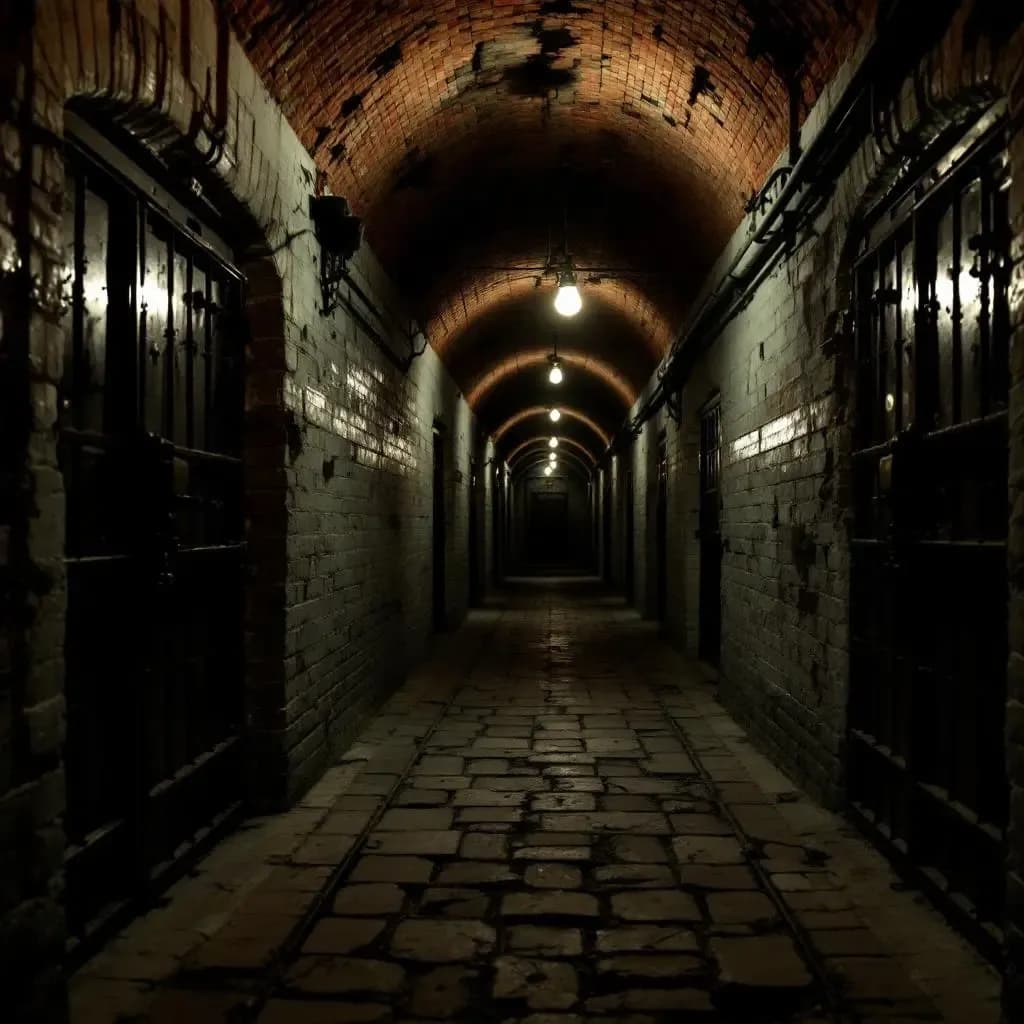
For roughly a decade, the basement of this elegant Budapest townhouse functioned as a place of interrogation, torture, sham trials and execution. Political prisoners were held in cramped cells, subjected to psychological and physical abuse, and in some cases hanged in the building's own gallows room. The cells and chambers were left largely untouched and are now open to visitors — among them a "wet cell," a "fox hole" isolation chamber, a dedicated torture room and the gallows room itself.
What the Museum Covers
The House of Terror Museum opened in 2002 and occupies the original building in its entirety. The permanent exhibition moves chronologically through Hungary's two totalitarian periods: the Arrow Cross years, the post-war communist takeover, the brutal 1950s under Soviet influence, the 1956 Hungarian Revolution — which was crushed by the Soviet Red Army — and the slow unravelling of the regime through to 1989–1990.
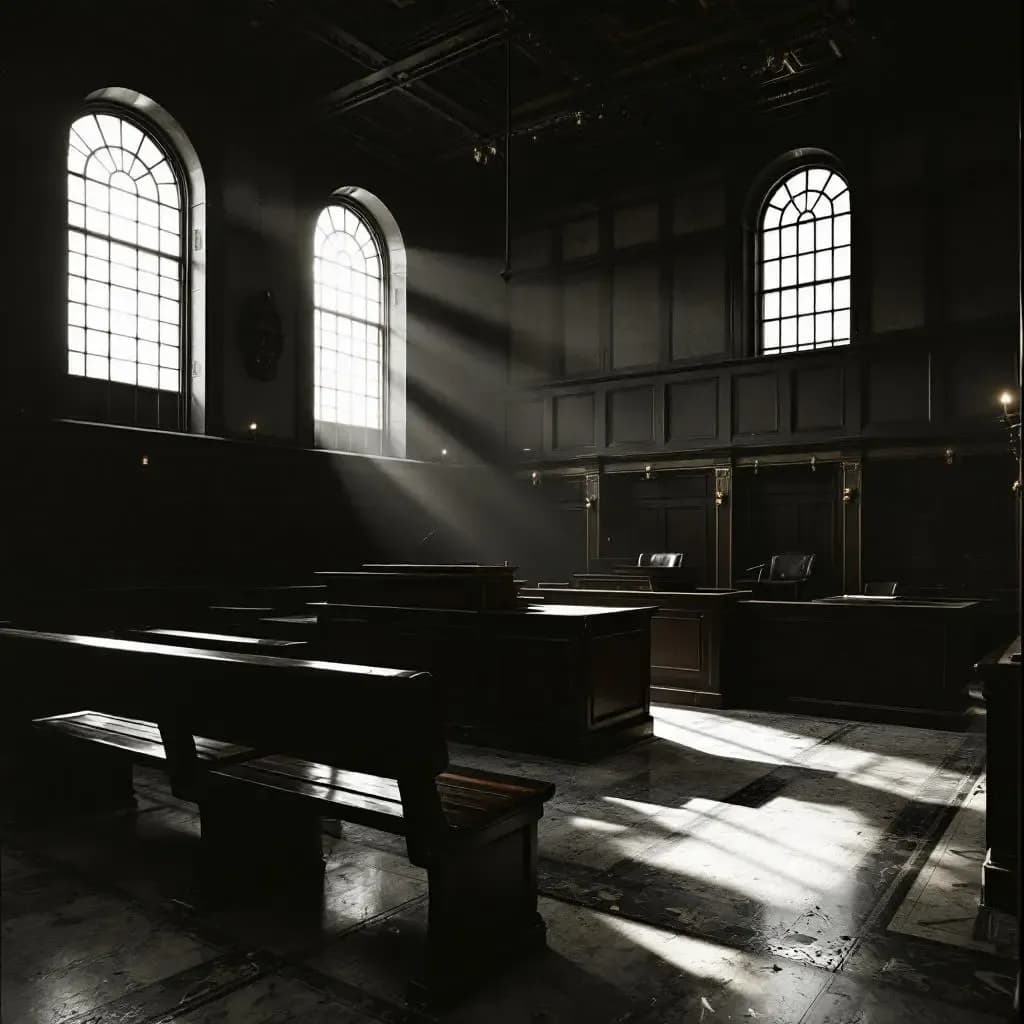
Key exhibition rooms include a reconstructed director's office, a "Justice Room" dedicated to the show trials of the communist era, a Hall of Tears commemorating identified victims, and the Perpetrators' Wall — a display of photographs of those who carried out the atrocities. The lobby contains a Soviet-era tank, a deliberately blunt symbol of occupation. A separate section documents the Soviet military withdrawal from Hungary in 1991, marking the formal end of the period the museum covers.
The emphasis throughout is on the 1950s, when the ÁVH operated at its most brutal. Tens of thousands of Hungarians were arrested, tortured or deported during this period, and the museum does not soften that history.
The 1956 Revolution Section
One of the museum's most significant sections is devoted to the October 1956 uprising, when Hungarian citizens took to the streets against Soviet domination. The revolution was brief — Soviet tanks rolled into Budapest on 4 November 1956 and suppressed the revolt within days — but it left an indelible mark on the national consciousness. The museum's coverage of these events, including the reprisals that followed, is considered among the most thorough available to visitors in Hungary.
Visiting the House of Terror
The museum is located at Andrássy út 60, 1062 Budapest. The nearest public transport options are the Millennium underground line (M1) and tram lines 4 and 6, with Vörösmarty utca and Oktogon stops both within walking distance.
According to available visitor data, opening hours are Wednesday to Sunday, 10:00 AM to 6:00 PM. The museum is closed on Mondays. Visitors should note that facade refurbishment work was scheduled to run from 16 June to 30 September 2025 — contact the museum directly to confirm current access conditions.
Guided tours in English are available and run approximately two hours, covering the communist atrocities, the prison cells and the 1956 revolution in detail. For specific pricing and availability of English-language guided options, contact the museum or check current listings.
For those who want to extend the experience beyond the building itself, a range of Budapest Cold War walking tours incorporate the House of Terror alongside related sites: Liberty Square and its Soviet-era memorials, locations connected to Cardinal Mindszenty, 1956 revolution landmarks, and communist-period infrastructure including nuclear bunker vents. Browse currently available Budapest crime and dark history tours at Viator's Budapest Crime Tours page for options that fit your itinerary and budget.
Why This Site Matters
The House of Terror is unusual among European memorial museums in that it occupies the actual site of the crimes it documents — not a reconstruction, not an archive, but the original building with its original basement intact. That physical authenticity gives the visit a weight that is difficult to replicate elsewhere. For anyone seriously interested in 20th-century European history, Cold War politics or the mechanics of state terror, Andrássy út 60 is not a stop to skip.