# Krakow Confronts Its Darkest Chapter Through Guided War Crime Tours
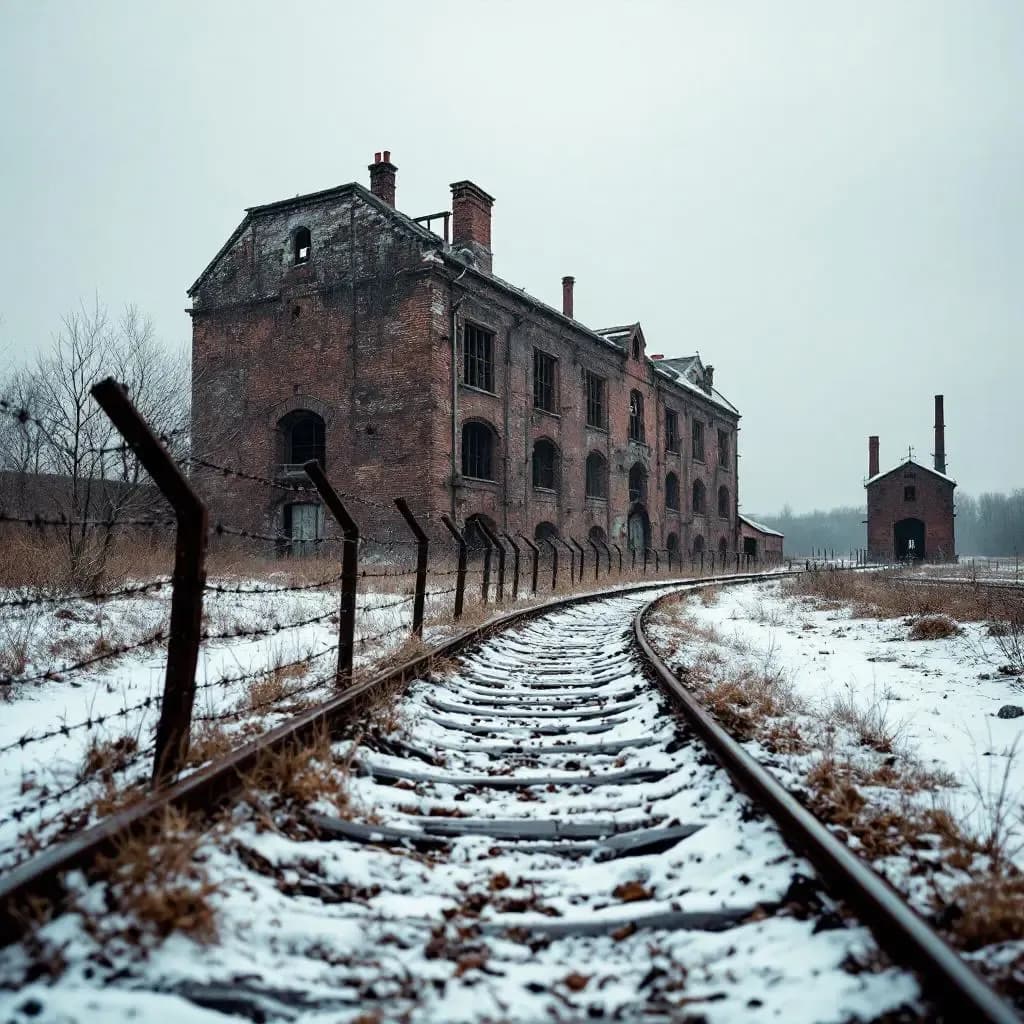
In Krakow, Poland, guided tours have for years brought visitors face to face with the machinery of Nazi occupation and genocide — from the preserved halls of Oskar Schindler's enamelware factory to the electrified fences of Auschwitz-Birkenau, where more than 1.1 million people were murdered between 1940 and 1945.
Why Krakow Is Ground Zero for Holocaust History
Krakow was the administrative capital of the Nazi-occupied General Government from 1939 onwards. The city's Jewish population — once numbering around 65,000 — was systematically stripped of rights, herded into a walled ghetto in the Podgórze district, and ultimately deported to extermination camps. What remains today are not reconstructions but the actual sites: the ghetto walls, the deportation square, the factory, the camp.
Three historical facts anchor every serious tour of this region:
1. Schindler's List was real. Oskar Schindler, a German industrialist and Nazi Party member, operated his Deutsche Emailwarenfabrik (DEF) at Lipowa 4 in Krakow's Zabłocie district from 1939. By exploiting Jewish forced labour — and later bribing SS officials — he managed to protect approximately 1,200 Jewish workers from deportation and death. The factory today houses a permanent museum, *Schindler's Factory*, operated by the Museum of Krakow, documenting the occupation of Krakow between 1939 and 1945.
2. Auschwitz-Birkenau was the largest Nazi concentration and extermination camp complex. Located 70 kilometres west of Krakow near the town of Oświęcim, the Auschwitz complex consisted of three main camps. Auschwitz I was the original camp; Auschwitz II–Birkenau was the primary extermination site, where four large crematoria with gas chambers operated simultaneously. The Nazis destroyed parts of the crematoria in late 1944 in an attempt to conceal evidence. Soviet forces liberated the camp on 27 January 1945 — a date now observed internationally as Holocaust Remembrance Day.
3. The Krakow Ghetto was liquidated in two violent waves. The ghetto in Podgórze was established in March 1941. A first major deportation action in June 1942 sent thousands to the Bełżec extermination camp. The final liquidation on 13–14 March 1943 saw remaining residents either shot on the spot in Plac Zgody (today Plac Bohaterów Getta — Heroes of the Ghetto Square) or transported to the Płaszów concentration camp under the command of Amon Göth, later tried and executed for war crimes.
What Tours Cover
Multiple operators in Krakow run combination itineraries covering Schindler's Factory and Auschwitz-Birkenau. Schindler's Factory visits typically last around 1.5 hours and are conducted inside the museum. Combined day tours including Auschwitz-Birkenau generally run 8 to 8.5 hours and include transport from central Krakow. Guided tours of Auschwitz-Birkenau are mandatory for groups and strongly recommended for individual visitors — the scale and layout of the complex is difficult to navigate meaningfully without context.
Viator lists several Krakow crime and dark history tours, including options combining the ghetto district, Schindler's Factory, and Auschwitz. You can browse current availability and compare operators at Viator's Krakow Crime Tours page. Prices and departure times vary by operator — contact the individual provider to confirm current scheduling and group size requirements before booking.
How to Approach These Sites
Auschwitz-Birkenau is a UNESCO World Heritage Site and an active place of remembrance. The Auschwitz-Birkenau Memorial and Museum requests that visitors dress modestly and maintain respectful conduct throughout. Photography is permitted in most areas but is prohibited inside the gas chamber ruins at Birkenau.
Schindler's Factory museum is located at ul. Lipowa 4, Krakow. The permanent exhibition, *Krakow Under Nazi Occupation 1939–1945*, is widely regarded as one of the most sophisticated historical museum experiences in Central Europe. Advance ticket booking is strongly recommended, particularly in summer months.
Plac Bohaterów Getta, the former deportation square, is a short walk from the factory. The square is marked by 33 oversized bronze chairs — a 2005 memorial representing the furniture left behind by deported ghetto residents.
Getting There
Krakow's Główny (main) railway station connects the city to Warsaw, Warsaw Chopin Airport, and other major Polish cities. Most Auschwitz combination tours depart from central Krakow by minibus or coach. Schindler's Factory is accessible by tram from the Old Town in approximately 15 minutes.
This is not comfortable tourism. It is necessary tourism — the kind that leaves you quieter than when you arrived.