Netflix Reopens America's Most Terrifying Product Sabotage
The 1982 Tylenol poisonings that sparked a global panic—and remain unsolved
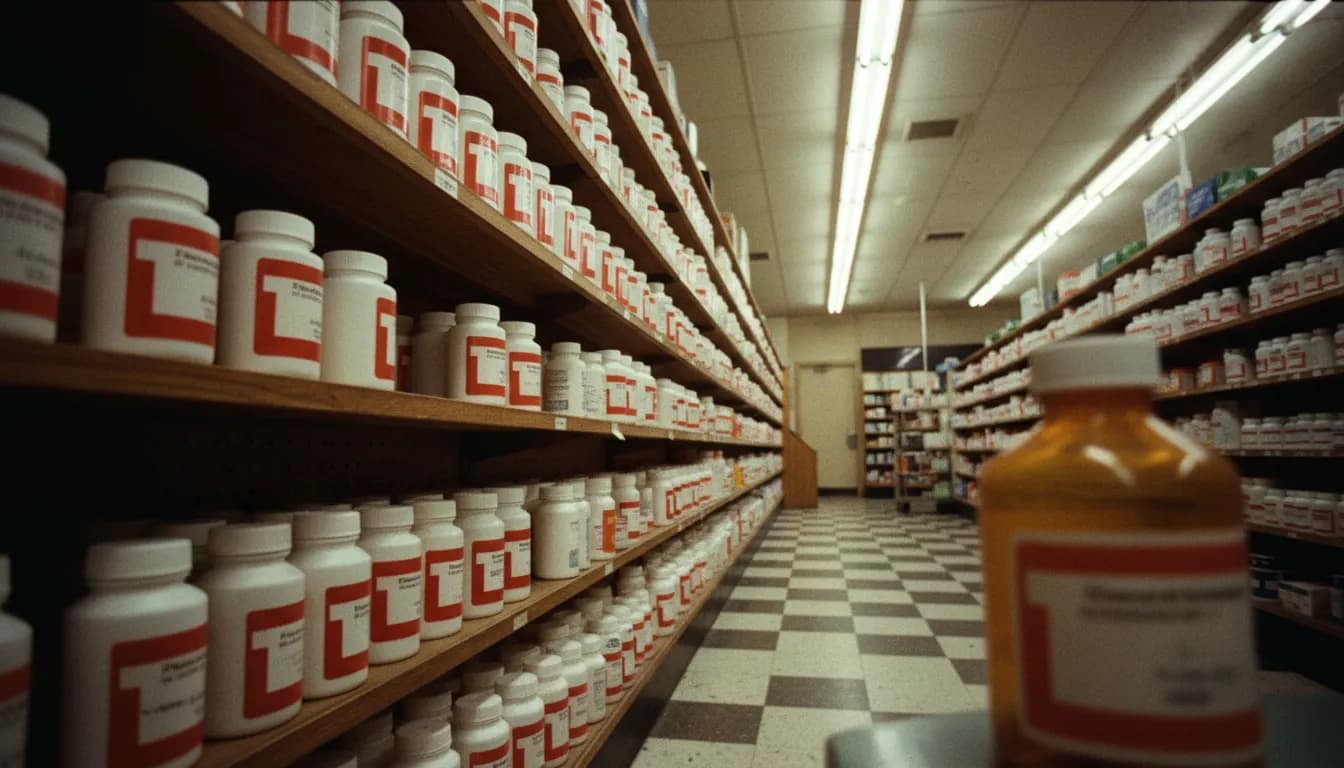
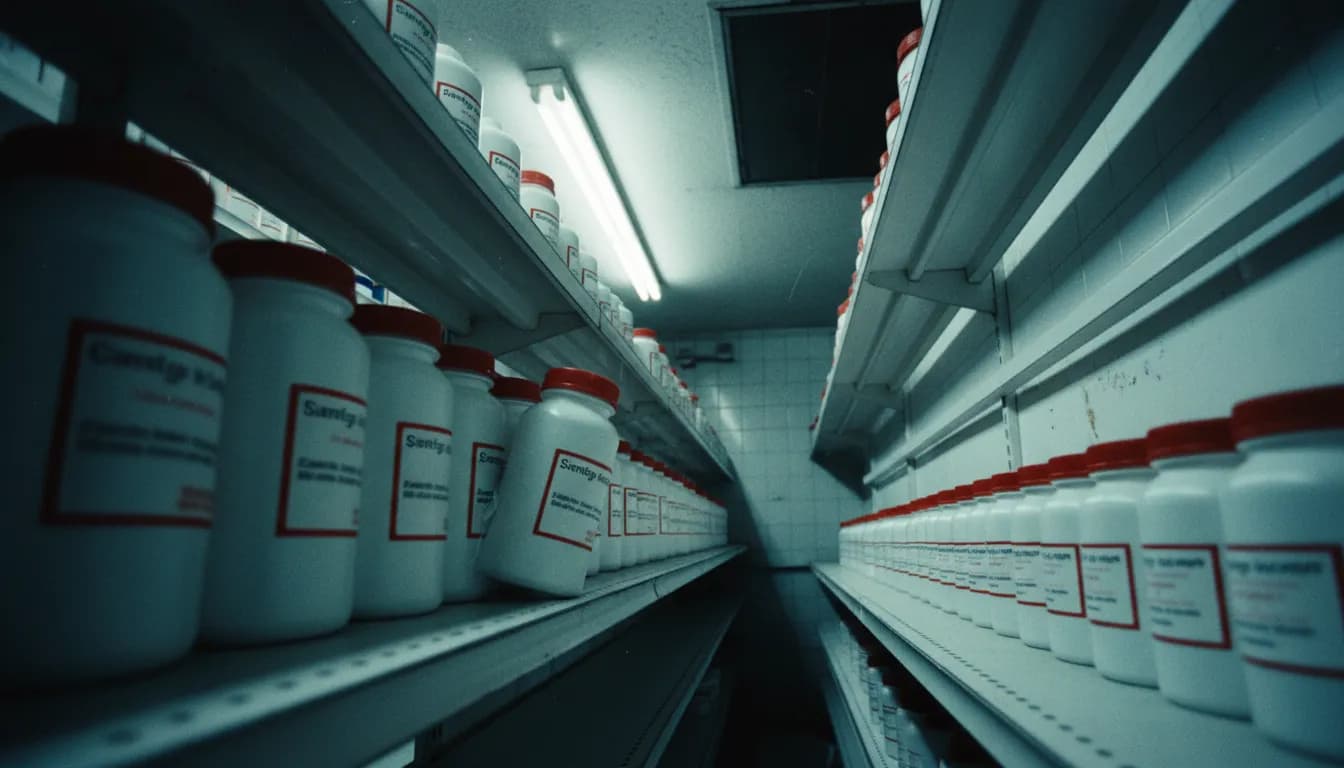
In September 1982, the United States experienced a nightmare scenario that would reshape consumer protection laws globally: someone methodically poisoned over-the-counter painkiller capsules with cyanide, placing them back on pharmacy shelves in the Chicago metropolitan area. Seven people died. The case remains unsolved more than 40 years later.
Netflix's latest documentary series, "Cold Case: The Tylenol Murders," brings this landmark tragedy back into the spotlight, offering international audiences a window into not only a haunting mystery but also the moment America's relationship with mass-produced goods fundamentally changed.
**The Crime That Shattered Trust**
On September 28, 1982, 12-year-old Mary Kellerman took an Extra-Strength Tylenol capsule for a minor headache. She died the next day. Within hours, six others in the Chicago area succumbed to the same poison after consuming contaminated Tylenol from different batches. The victims ranged from 12 to 35 years old. A second wave of copycat poisonings followed, bringing the total death toll even higher.
The crime was unprecedented in its scale and method. This wasn't a targeted killing—it was mass murder by proxy, executed through the supply chain of one of America's most trusted brands. For European observers, the incident might be compared to food-tampering cases in their own histories, but the reach here was potentially nationwide, affecting millions of households simultaneously.
What made the crime especially sinister was its invisibility. The killer left no demands, no manifesto—only contaminated bottles deliberately returned to shelves to cause maximum harm to strangers. It was terrorism disguised as theft.
**The Suspect Who Eluded Justice**
The Netflix series zeros in on James William Lewis, a man with a history of extortion who became the primary focus of federal investigators. Lewis sent letters to Johnson & Johnson, Tylenol's manufacturer, demanding $1 million to stop the poisonings. He provided authorities with eerily specific details about how he could have executed such a crime.