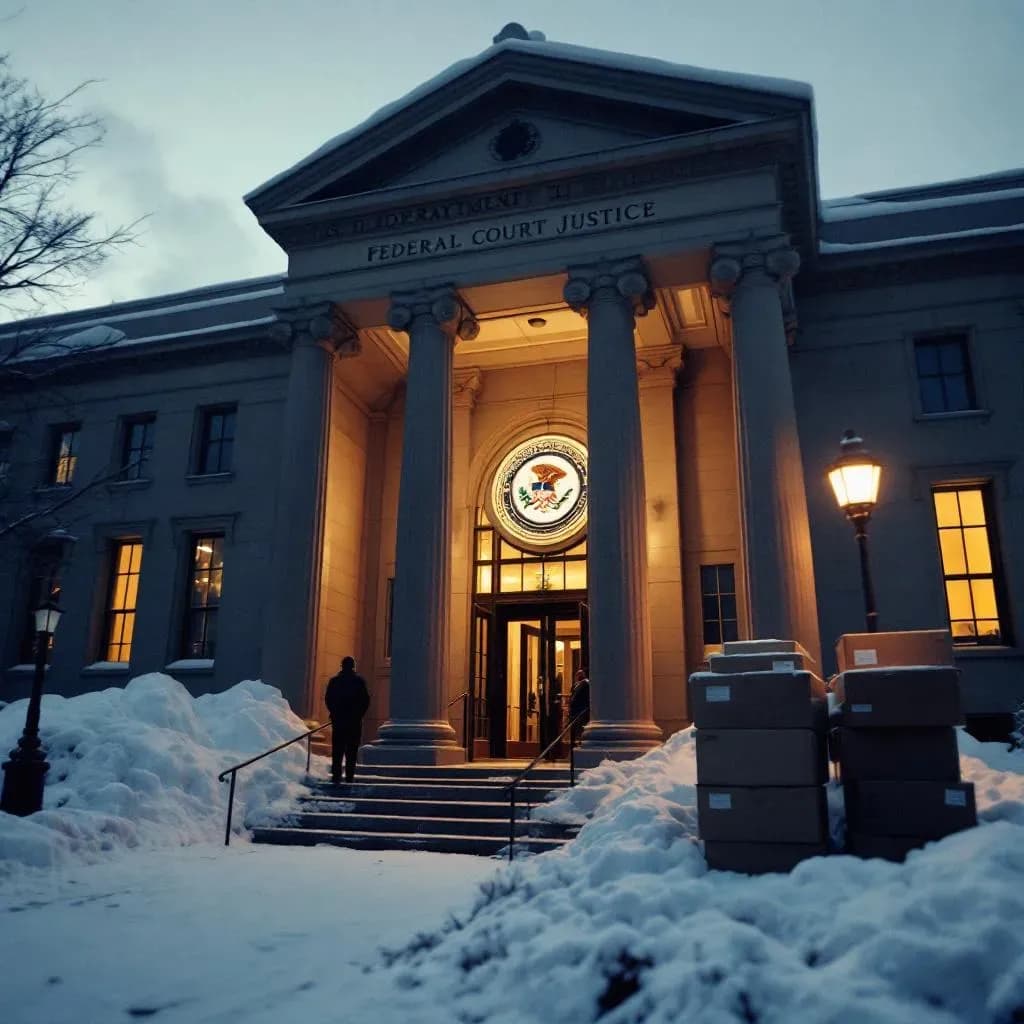
Five individuals entered guilty pleas in March 2026 in connection with the 'Feeding Our Future' fraud scheme in Minnesota—a federal case that has become emblematic of how pandemic relief programs can be systematically exploited by organized criminal networks.
The convictions bring the total number of defendants sentenced or pleading guilty in the case to 63, marking a significant enforcement success for U.S. federal prosecutors. The case has drawn international attention as an example of large-scale economic crime perpetrated against vulnerable populations—in this instance, low-income children eligible for federal meal assistance.
The scheme operated through a simple but effective fraud model: defendants created fake food distribution sites and falsely reported serving thousands of meals that never materialized. Between 2020 and 2022, the network successfully diverted approximately $14.6 million in federal COVID-19 relief funds intended for child nutrition programs. The money originated from federal pandemic assistance packages designed to ensure children in economically disadvantaged areas continued receiving meals when schools closed.
Once obtained, the stolen funds were laundered through a series of purchases: luxury vehicles, real estate investments, and international wire transfers. This diversification strategy—moving illicit proceeds rapidly across asset classes—is consistent with organized fraud patterns documented in similar cases across North America and Europe.
The investigation demonstrated the sophistication of the operation. Federal Bureau of Investigation (FBI) agents worked in coordination with the Minnesota Department of Education to unravel a network that had deliberately targeted a program created to support children during a national emergency. Prosecutors characterized the defendants as having engaged in deliberate, premeditated fraud rather than opportunistic crime.
The 'Feeding Our Future' case carries particular significance internationally because it highlights vulnerabilities in rapid-deployment pandemic relief infrastructure. When governments worldwide mobilized emergency funding during COVID-19 lockdowns, few anticipated the scale of organized fraud that would follow. The Minnesota case became a cautionary example studied by law enforcement agencies in other nations implementing similar relief programs.
Compared to other major U.S. fraud cases, the scope is remarkable. The number of individual defendants—63 convicted or pleading guilty—suggests an operation involving multiple layers: masterminds, site operators, money handlers, and facilitators. Such organization is more typical of international crime syndicates than opportunistic individual fraud.
The defendants face charges including wire fraud, conspiracy, and money laundering. The severity of these charges reflects federal prosecutors' determination to treat pandemic relief fraud as serious organized crime rather than minor administrative malfeasance.
For Scandinavian and European observers, the case underscores the importance of robust oversight mechanisms for emergency relief programs. Countries including Denmark, Norway, and Sweden implemented their own pandemic support systems; the Minnesota case has prompted discussions about fraud prevention in similar initiatives.
The guilty pleas represent ongoing cooperation between federal agencies and state authorities in Minnesota. The investigation required forensic accounting expertise to trace money flows and identify the infrastructure supporting fake distribution sites. Court documents indicate some defendants operated multiple fraudulent entities simultaneously.
As of March 2026, prosecutions continue against remaining defendants in the case. The final tally of convictions may exceed 63 as additional cases progress through the federal court system. Victims of the fraud—children who should have benefited from meal programs during the pandemic—remain the unstated focus of the investigation.
The case serves as a reminder that emergency social programs, while essential during crises, require vigilant oversight. The $14.6 million diverted from child nutrition represents not merely financial loss but a betrayal of trust during a period when vulnerable populations depended on government support.