True crime news logo
  • Nyheder
True crime news logo

The international true crime destination. Cases, documentaries, podcasts and travel routes.

© 2026 truecrime.news. All rights reserved.

Sagsmappe

Karl Denke: The Cannibal of Münsterberg
Mappe Åbnet: MAY 4, 2026 AT 12:11 AM
Karl Denke: Kannibalen fra Münsterberg
BEVIS

Sagsdetaljer

Quick Facts

Klassifikation:

kvindelige seriemordere
Cannibalism
Germany
mordssag
justitsmordet
seriedrab
True Crime Society

Quick Facts

LocationMünsterberg (now Ziębice), Poland

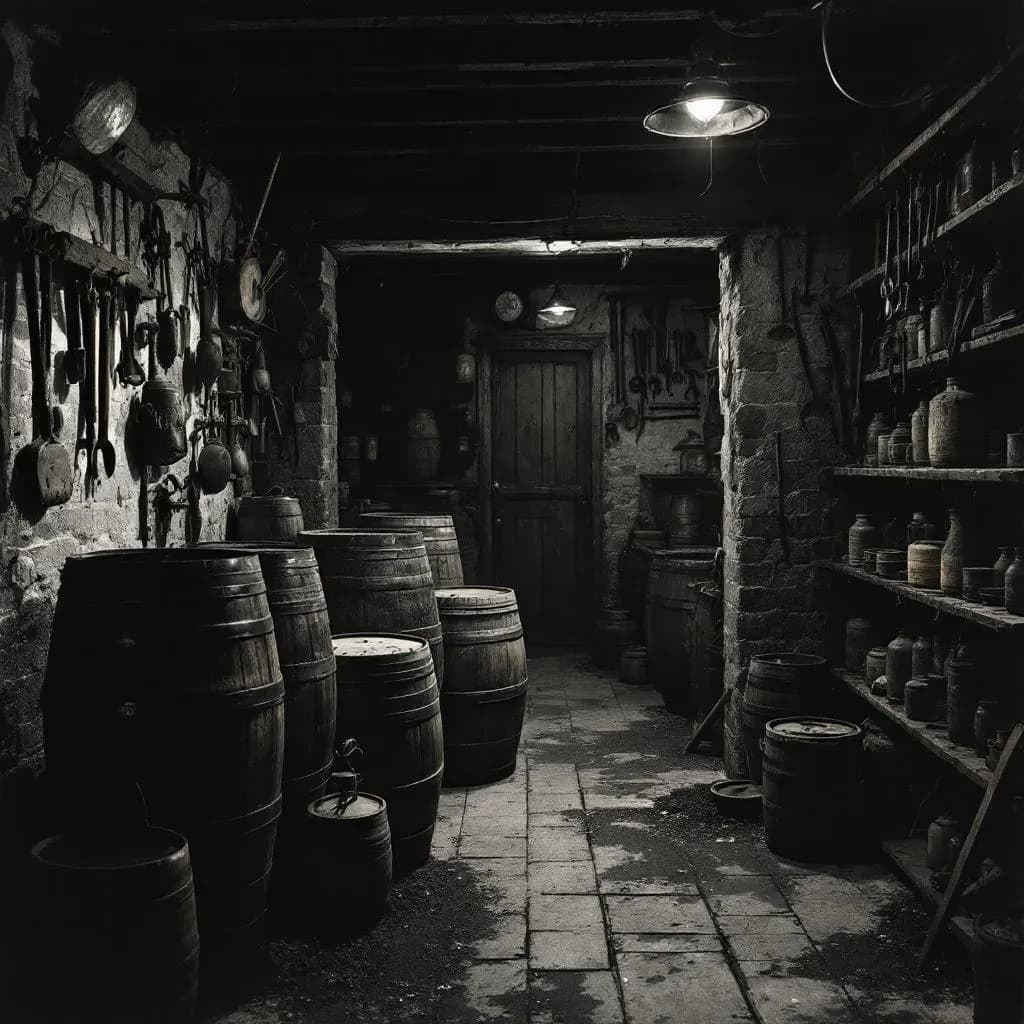
Karl Denke was born on August 12, 1860, in Oberkunzendorf, Silesia, then part of the German Empire. He left home at age 12 after a troubled childhood and eventually settled in Münsterberg (now Ziębice, Poland), where he became a respected member of the community. Known locally as "Papa Denke," he played the organ at his Lutheran church, sold leather goods and suspenders at markets, and was renowned for his generosity toward homeless vagrants and beggars. His victims were precisely these vulnerable individuals—transients, homeless wanderers, and journeymen passing through the town who would not be missed. Denke specifically targeted those on society's margins, offering them food and shelter before ending their lives.

The killing spree that would eventually come to light spanned over two decades, from approximately 1903 to 1924. Denke lured victims to his small apartment with promises of work or accommodation. Once inside, he attacked them from behind with a pickaxe, killing them swiftly. He then systematically butchered the bodies, preserving the flesh in brine and selling it at local markets as "pork." He also crafted various items from human remains—suspenders and shoelaces from tanned human skin, and buttons from bones. Neighbors occasionally noticed strange smells emanating from his apartment but attributed them to his leather-working trade.

Denke's decades of murder came to an abrupt end on December 21, 1924, when a vagrant named Vincenz Olivier escaped his apartment, bloodied and screaming for help. Olivier told police that Denke had attacked him with a pickaxe while his back was turned. Authorities arrested the 64-year-old organist and searched his premises. What they discovered shocked even experienced investigators: two large tubs filled with human flesh preserved in brine, bones from at least 30 individuals, personal identification documents and belongings from numerous victims, and meticulously kept ledgers documenting names, dates, and body weights of those he had killed.


justitssvigt
mordgåde
mordsager
sundhedsbedrageri
triple murder
hvidvaskning
gerningsmandspsykologi
Sagsstatus
Løst
Sted
Münsterberg (now Ziębice), Poland
The investigation revealed the full horror of Denke's methodical operation. Police found pots of rendered human fat, jars of pickled meat, and various items crafted from human skin. His detailed records allowed investigators to identify many victims, though the exact number killed remains uncertain—estimates range from 30 to over 40. The community was devastated to learn that their beloved church organist, who had handed out soup to the poor and played hymns on Sundays, had been systematically murdering and consuming the very people he appeared to help. Some townspeople had unknowingly eaten human flesh purchased from Denke at the market.

Karl Denke never faced trial for his crimes. On the night of December 22, 1924, just one day after his arrest, he hanged himself in his jail cell using his handkerchief. His death left many questions unanswered, including his precise motivations and the complete number of his victims. Authorities conducted extensive examinations of his remains and apartment but could never fully establish whether his cannibalism was driven by psychopathology, economic necessity during Germany's difficult postwar years, or some combination of both.

The Denke case remains significant in criminal history for several reasons. It demonstrated how a facade of respectability and community involvement could mask extreme deviance for decades. The case also highlighted the vulnerability of society's marginalized populations—vagrants and homeless individuals who could disappear without investigation. Denke operated alongside another notorious German serial killer of the era, Fritz Haarmann, making the 1920s a particularly dark period in German criminal history. The case continues to be studied by criminologists examining how social camouflage enables prolonged serial offending and how economic desperation can intersect with violent pathology.

Read more

Joachim Kroll: Ruhr-områdets kannibalistiske seriemorder
Case

Joachim Kroll: The Ruhr Cannibal's 21-Year Murder Spree

Rudolf Pleil: Efterkrigstidens brutale seriemorder
Case

Rudolf Pleil: The Death Maker of Post-War Germany

Jürgen Bartsch: Tysklands mest berygtede børnemorder
Case

Jürgen Bartsch: The Child Killer of the Ruhr Valley

Related Content
Joachim Kroll: Ruhr-områdets kannibalistiske seriemorder

Joachim Kroll: The Ruhr Cannibal's 21-Year Murder Spree

Rudolf Pleil: Efterkrigstidens brutale seriemorder

Rudolf Pleil: The Death Maker of Post-War Germany

Jürgen Bartsch: Tysklands mest berygtede børnemorder

Jürgen Bartsch: The Child Killer of the Ruhr Valley

Paul Ogorzow: S-Bahn-morderen der terroriserede krigstidens Berlin

Paul Ogorzow: The S-Bahn Murderer of Nazi Berlin

Advertisement

Susanne Sperling

Admin

Share this post:
Sagsmappe

Karl Denke: The Cannibal of Münsterberg

Mappe Åbnet: MAY 4, 2026 AT 12:11 AM
Karl Denke: Kannibalen fra Münsterberg
BEVIS

Sagsdetaljer

Quick Facts

Klassifikation:

kvindelige seriemordere
Cannibalism
Germany
mordssag
justitsmordet
seriedrab
True Crime Society
justitssvigt
mordgåde
mordsager
sundhedsbedrageri
triple murder
hvidvaskning
gerningsmandspsykologi
Sagsstatus
Løst
Sted
Münsterberg (now Ziębice), Poland

Quick Facts

LocationMünsterberg (now Ziębice), Poland

Karl Denke was born on August 12, 1860, in Oberkunzendorf, Silesia, then part of the German Empire. He left home at age 12 after a troubled childhood and eventually settled in Münsterberg (now Ziębice, Poland), where he became a respected member of the community. Known locally as "Papa Denke," he played the organ at his Lutheran church, sold leather goods and suspenders at markets, and was renowned for his generosity toward homeless vagrants and beggars. His victims were precisely these vulnerable individuals—transients, homeless wanderers, and journeymen passing through the town who would not be missed. Denke specifically targeted those on society's margins, offering them food and shelter before ending their lives.

The killing spree that would eventually come to light spanned over two decades, from approximately 1903 to 1924. Denke lured victims to his small apartment with promises of work or accommodation. Once inside, he attacked them from behind with a pickaxe, killing them swiftly. He then systematically butchered the bodies, preserving the flesh in brine and selling it at local markets as "pork." He also crafted various items from human remains—suspenders and shoelaces from tanned human skin, and buttons from bones. Neighbors occasionally noticed strange smells emanating from his apartment but attributed them to his leather-working trade.

Denke's decades of murder came to an abrupt end on December 21, 1924, when a vagrant named Vincenz Olivier escaped his apartment, bloodied and screaming for help. Olivier told police that Denke had attacked him with a pickaxe while his back was turned. Authorities arrested the 64-year-old organist and searched his premises. What they discovered shocked even experienced investigators: two large tubs filled with human flesh preserved in brine, bones from at least 30 individuals, personal identification documents and belongings from numerous victims, and meticulously kept ledgers documenting names, dates, and body weights of those he had killed.
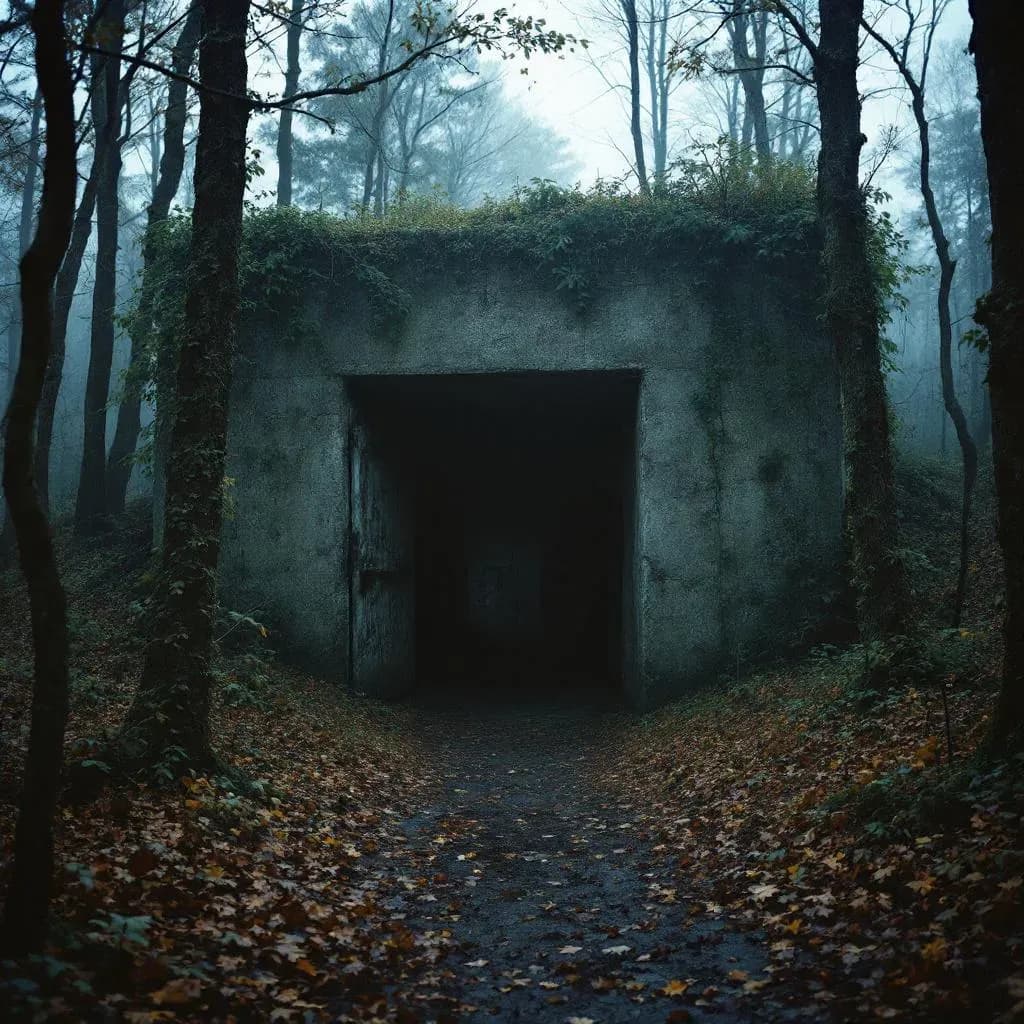
The investigation revealed the full horror of Denke's methodical operation. Police found pots of rendered human fat, jars of pickled meat, and various items crafted from human skin. His detailed records allowed investigators to identify many victims, though the exact number killed remains uncertain—estimates range from 30 to over 40. The community was devastated to learn that their beloved church organist, who had handed out soup to the poor and played hymns on Sundays, had been systematically murdering and consuming the very people he appeared to help. Some townspeople had unknowingly eaten human flesh purchased from Denke at the market.

Karl Denke never faced trial for his crimes. On the night of December 22, 1924, just one day after his arrest, he hanged himself in his jail cell using his handkerchief. His death left many questions unanswered, including his precise motivations and the complete number of his victims. Authorities conducted extensive examinations of his remains and apartment but could never fully establish whether his cannibalism was driven by psychopathology, economic necessity during Germany's difficult postwar years, or some combination of both.

The Denke case remains significant in criminal history for several reasons. It demonstrated how a facade of respectability and community involvement could mask extreme deviance for decades. The case also highlighted the vulnerability of society's marginalized populations—vagrants and homeless individuals who could disappear without investigation. Denke operated alongside another notorious German serial killer of the era, Fritz Haarmann, making the 1920s a particularly dark period in German criminal history. The case continues to be studied by criminologists examining how social camouflage enables prolonged serial offending and how economic desperation can intersect with violent pathology.

Read more

Joachim Kroll: Ruhr-områdets kannibalistiske seriemorder
Case

Joachim Kroll: The Ruhr Cannibal's 21-Year Murder Spree

Rudolf Pleil: Efterkrigstidens brutale seriemorder
Case

Rudolf Pleil: The Death Maker of Post-War Germany

Jürgen Bartsch: Tysklands mest berygtede børnemorder
Case

Jürgen Bartsch: The Child Killer of the Ruhr Valley

Related Content
Joachim Kroll: Ruhr-områdets kannibalistiske seriemorder

Joachim Kroll: The Ruhr Cannibal's 21-Year Murder Spree

Rudolf Pleil: Efterkrigstidens brutale seriemorder

Rudolf Pleil: The Death Maker of Post-War Germany

Jürgen Bartsch: Tysklands mest berygtede børnemorder

Jürgen Bartsch: The Child Killer of the Ruhr Valley

Paul Ogorzow: S-Bahn-morderen der terroriserede krigstidens Berlin

Paul Ogorzow: The S-Bahn Murderer of Nazi Berlin

Advertisement

Susanne Sperling

Admin

Share this post: