True crime news logo
  • News
True crime news logo

The international true crime destination. Cases, documentaries, podcasts and travel routes.

© 2026 truecrime.news. All rights reserved.

Sagsmappe

The Murder That Created the Amber Alert

How a 9-year-old's unsolved abduction in Texas sparked a global child-safety system
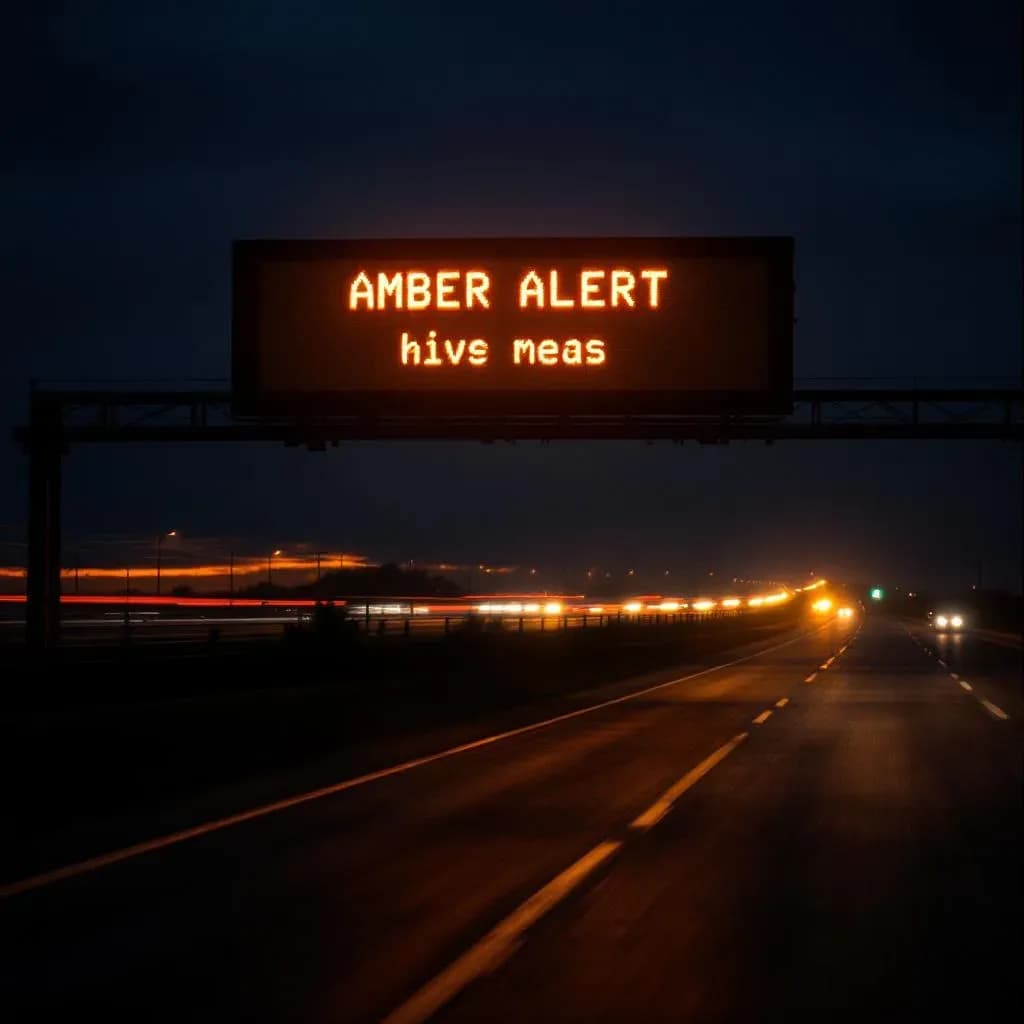
Amber Hagerman: Barnemordet der skabte Amber Alert-systemet
BEVIS

Sagsdetaljer

Quick Facts

Klassifikation:

Sager der forandrede verden
Sted
Arlington, Texas, USA

Barnemord skabte globalt varslingssystem

Quick Facts

LocationArlington, Texas, USA

Nine-year-old Amber Rene Hagerman was riding her bicycle in an abandoned Winn-Dixie parking lot in Arlington, Texas, on the afternoon of January 13, 1996. Her five-year-old brother, Ricky, was with her. The children were doing what countless kids do on a winter's day in Texas—enjoying the outdoors in their neighborhood.

Then, in broad daylight, a stranger pulled up in a dark pickup truck. Witnesses watched as the driver snatched Amber from her bicycle and drove away. Her brother remained behind, unable to stop what was happening. In the eight minutes after Ricky left her side, Amber's life changed forever.

Police quickly obtained a description of the suspect: a white or Hispanic male, under six feet tall, medium build, somewhere between 25 and 40 years old. The pickup truck was dark, possibly black. It wasn't much to go on, but it was what they had. In 1996, before the internet became ubiquitous and long before social media, information traveled slowly. Local police worked the case, but there was no coordinated system for alerting the public across multiple media channels simultaneously.

Four days passed. On January 17, 1996, near midnight, a man walking his dog near an apartment complex discovered what investigators feared: a child's naked body in a creek, less than five miles from where Amber had been taken. She had suffered severe laceration wounds to her throat and neck. The nine-year-old girl who had simply wanted to ride her bicycle was gone.

The murder investigation that followed failed to yield a killer. No arrest was ever made. No one was ever charged. Amber Hagerman's case remains unsolved to this day—a cold case that has haunted her family and the Arlington community for nearly three decades.

But from tragedy came purpose.

In the months following Amber's death, broadcasters and law enforcement in the Dallas-Fort Worth area came together with a vision: what if they could rapidly disseminate information about abducted children across all media outlets simultaneously? What if the public could be mobilized within minutes, not hours or days? What if every citizen with a television, a radio, or access to emergency broadcasts could become part of the search?

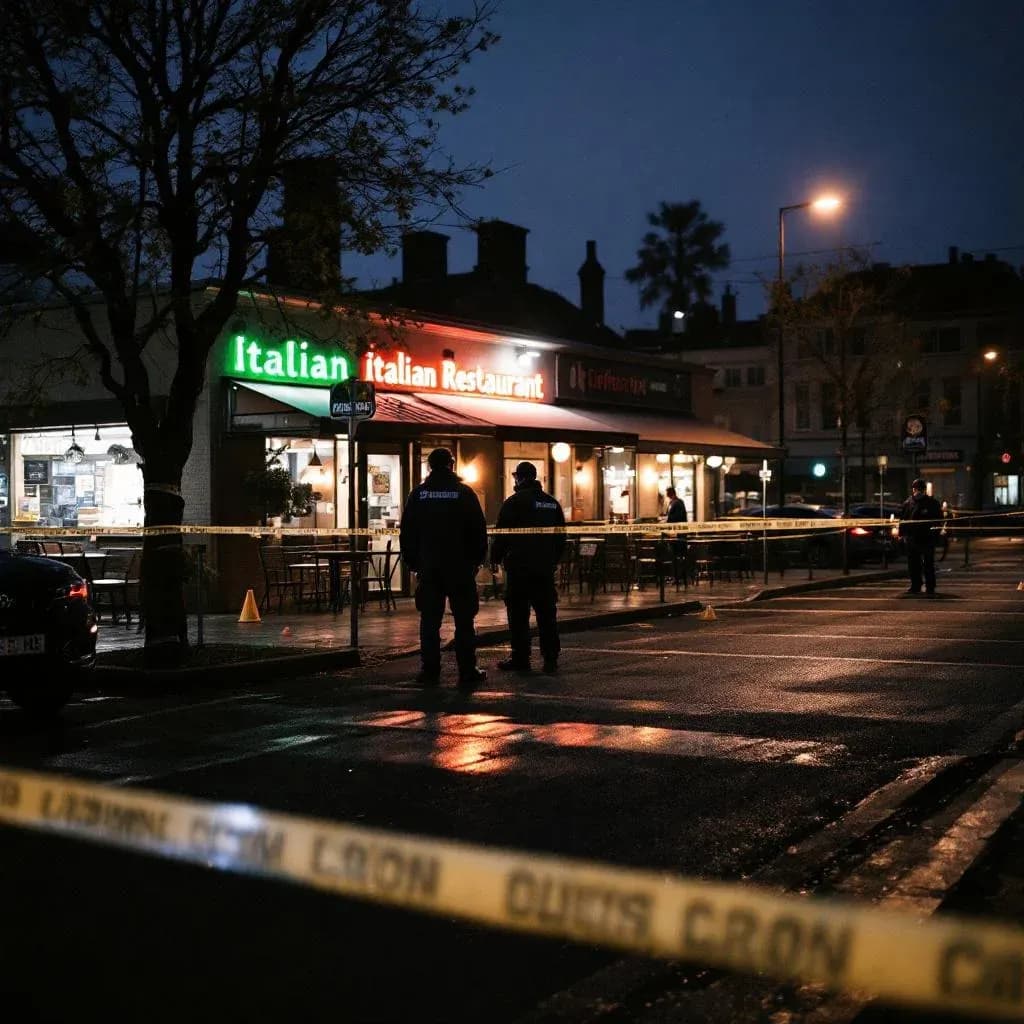
They created the America's Missing: Broadcast Emergency Response system—the Amber Alert. The name itself became a memorial to the girl whose abduction and murder sparked its creation.

What began as a regional initiative has grown into a global system. Law enforcement agencies across the United States and in numerous countries around the world now use the Amber Alert protocol. When specific criteria are met—a child believed to be abducted by a non-custodial parent, a child in imminent danger of serious injury or death—emergency alerts are broadcast to the public with the child's description, the suspect's description, and vehicle information.

The results have been measurable and significant. As of 2021, the Amber Alert system had been credited with the safe recovery of over 1,029 abducted children. Families have been reunited. Children have been saved from harm. The system has become a cornerstone of child safety across the English-speaking world and beyond.

Yet Amber herself was never recovered alive. Her killer was never found. The case that inspired one of the most successful child-safety initiatives in modern history remains unsolved. It stands as a reminder that sometimes, out of the darkest tragedies, comes the determination to protect others—to ensure that what happened to Amber Hagerman on that January afternoon in 1996 might be prevented from happening to another child.

**Sources:** https://www.waldenu.edu/online-masters-programs/ms-in-criminal-justice/resource/the-history-of-the-amber-alert

https://amberadvocate.org/?articles=aa65-overarching-lessons-from-the-amber-hagerman-case

https://crimejunkiepodcast.com/precedent-amber-hagerman/

https://en.wikipedia.org/wiki/Amber_alert

Read more

Duisburg-Massaker 2007
Case

Duisburg-Massaker 2007

Duisburg-Massaker 2007: Sechs Männer auf Parkplatz hingerichtet
Case

The Duisburg Massacre: When the Mafia Struck in Germany

Göhrde-Mörder — 21 Jahre bis zur DNA-Wahrheit
Case

21 Years to Justice: DNA Test Solves Göhrde Forest Murders

Related Content
Duisburg-Massaker 2007

Duisburg-Massaker 2007

Duisburg-Massaker 2007: Sechs Männer auf Parkplatz hingerichtet

The Duisburg Massacre: When the Mafia Struck in Germany

Göhrde-Mörder — 21 Jahre bis zur DNA-Wahrheit

21 Years to Justice: DNA Test Solves Göhrde Forest Murders

Trierer Amokfahrt 2020

Trierer Amokfahrt 2020

Advertisement
SS

Susanne Sperling

Share this post:
Sagsmappe

The Murder That Created the Amber Alert

How a 9-year-old's unsolved abduction in Texas sparked a global child-safety system

Amber Hagerman: Barnemordet der skabte Amber Alert-systemet
BEVIS

Sagsdetaljer

Quick Facts

Klassifikation:

Sager der forandrede verden
Sted
Arlington, Texas, USA

Barnemord skabte globalt varslingssystem

Quick Facts

LocationArlington, Texas, USA

Nine-year-old Amber Rene Hagerman was riding her bicycle in an abandoned Winn-Dixie parking lot in Arlington, Texas, on the afternoon of January 13, 1996. Her five-year-old brother, Ricky, was with her. The children were doing what countless kids do on a winter's day in Texas—enjoying the outdoors in their neighborhood.

Then, in broad daylight, a stranger pulled up in a dark pickup truck. Witnesses watched as the driver snatched Amber from her bicycle and drove away. Her brother remained behind, unable to stop what was happening. In the eight minutes after Ricky left her side, Amber's life changed forever.

Police quickly obtained a description of the suspect: a white or Hispanic male, under six feet tall, medium build, somewhere between 25 and 40 years old. The pickup truck was dark, possibly black. It wasn't much to go on, but it was what they had. In 1996, before the internet became ubiquitous and long before social media, information traveled slowly. Local police worked the case, but there was no coordinated system for alerting the public across multiple media channels simultaneously.

Four days passed. On January 17, 1996, near midnight, a man walking his dog near an apartment complex discovered what investigators feared: a child's naked body in a creek, less than five miles from where Amber had been taken. She had suffered severe laceration wounds to her throat and neck. The nine-year-old girl who had simply wanted to ride her bicycle was gone.

The murder investigation that followed failed to yield a killer. No arrest was ever made. No one was ever charged. Amber Hagerman's case remains unsolved to this day—a cold case that has haunted her family and the Arlington community for nearly three decades.

But from tragedy came purpose.

In the months following Amber's death, broadcasters and law enforcement in the Dallas-Fort Worth area came together with a vision: what if they could rapidly disseminate information about abducted children across all media outlets simultaneously? What if the public could be mobilized within minutes, not hours or days? What if every citizen with a television, a radio, or access to emergency broadcasts could become part of the search?

They created the America's Missing: Broadcast Emergency Response system—the Amber Alert. The name itself became a memorial to the girl whose abduction and murder sparked its creation.

What began as a regional initiative has grown into a global system. Law enforcement agencies across the United States and in numerous countries around the world now use the Amber Alert protocol. When specific criteria are met—a child believed to be abducted by a non-custodial parent, a child in imminent danger of serious injury or death—emergency alerts are broadcast to the public with the child's description, the suspect's description, and vehicle information.

The results have been measurable and significant. As of 2021, the Amber Alert system had been credited with the safe recovery of over 1,029 abducted children. Families have been reunited. Children have been saved from harm. The system has become a cornerstone of child safety across the English-speaking world and beyond.

Yet Amber herself was never recovered alive. Her killer was never found. The case that inspired one of the most successful child-safety initiatives in modern history remains unsolved. It stands as a reminder that sometimes, out of the darkest tragedies, comes the determination to protect others—to ensure that what happened to Amber Hagerman on that January afternoon in 1996 might be prevented from happening to another child.

**Sources:** https://www.waldenu.edu/online-masters-programs/ms-in-criminal-justice/resource/the-history-of-the-amber-alert

https://amberadvocate.org/?articles=aa65-overarching-lessons-from-the-amber-hagerman-case

https://crimejunkiepodcast.com/precedent-amber-hagerman/

https://en.wikipedia.org/wiki/Amber_alert

Read more

Duisburg-Massaker 2007
Case

Duisburg-Massaker 2007

Duisburg-Massaker 2007: Sechs Männer auf Parkplatz hingerichtet
Case

The Duisburg Massacre: When the Mafia Struck in Germany

Göhrde-Mörder — 21 Jahre bis zur DNA-Wahrheit
Case

21 Years to Justice: DNA Test Solves Göhrde Forest Murders

Related Content
Duisburg-Massaker 2007

Duisburg-Massaker 2007

Duisburg-Massaker 2007: Sechs Männer auf Parkplatz hingerichtet

The Duisburg Massacre: When the Mafia Struck in Germany

Göhrde-Mörder — 21 Jahre bis zur DNA-Wahrheit

21 Years to Justice: DNA Test Solves Göhrde Forest Murders

Trierer Amokfahrt 2020

Trierer Amokfahrt 2020

Advertisement
SS

Susanne Sperling

Share this post: