The Rosemarie Nitribitt Murder: Frankfurt's Unsolved Scandal
Sagsdetaljer
Quick Facts
Quick Facts
Rosemarie Nitribitt was not merely a prostitute — she was a symbol of West Germany's post-war economic miracle and its moral contradictions. Born in 1933 in Düsseldorf, she endured a traumatic childhood marked by poverty, Nazi-era institutionalization, and sexual abuse. By her early twenties, she had transformed herself into Frankfurt's most exclusive escort, driving a black Mercedes 190 SL through the city's financial district, catering to industrialists, bankers, and prominent businessmen who were rebuilding Germany's economy.
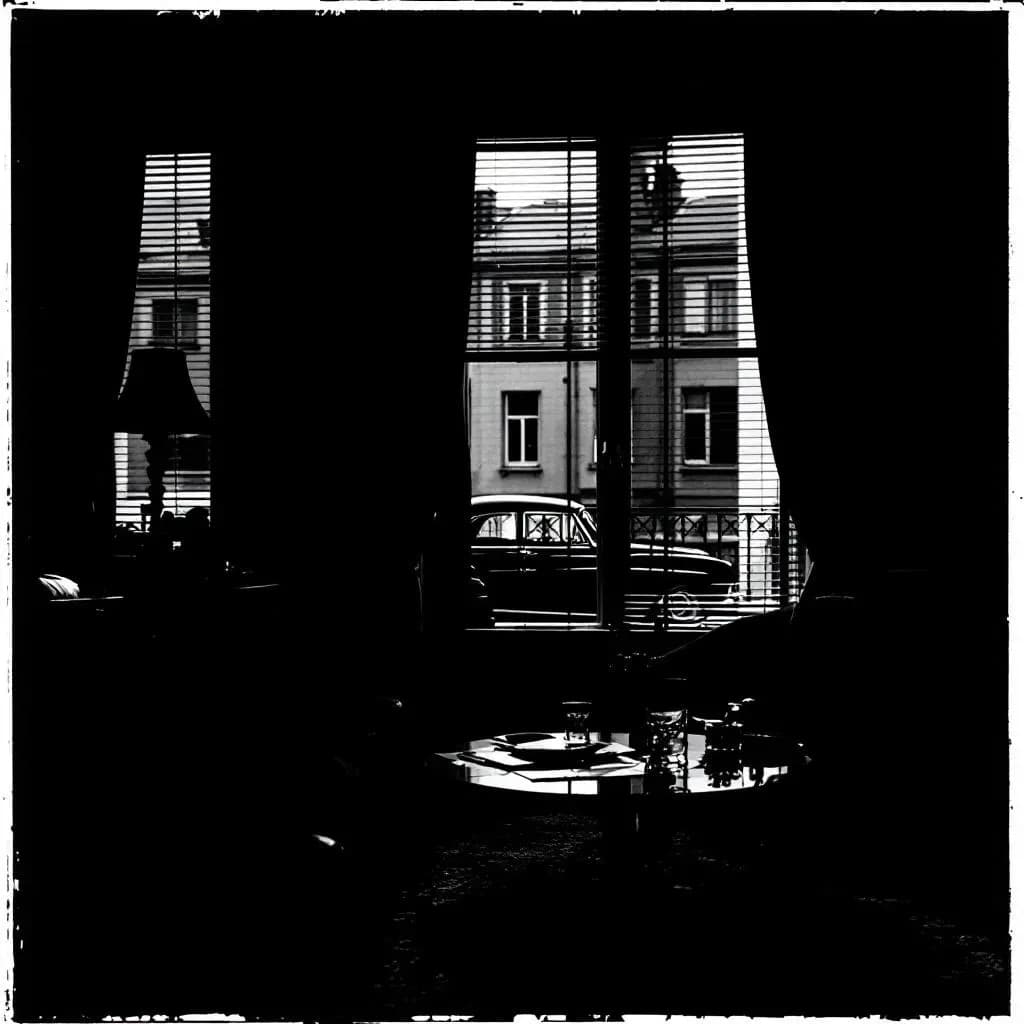
On November 1, 1957, Nitribitt's cleaning lady discovered her body in her upscale apartment at Stiftstraße 36 in Frankfurt. The 24-year-old had been strangled with a leather belt and a towel, her body left on a couch. Police estimated she had been dead for several days. The crime scene showed signs of struggle, but there was no evidence of forced entry, suggesting she knew her killer. Her apartment was filled with expensive furnishings, gifts from her wealthy clientele.
The investigation immediately became explosive when police discovered Nitribitt's detailed records of her clients. Her address book read like a who's who of West German high society, including names linked to major industrial families and political figures. This discovery transformed a murder investigation into a national scandal. The German press descended on the story, exposing the hypocrisy of the nation's respectable elite. Several prominent men were questioned, but alibis held or pressure was applied — investigators faced unprecedented obstacles.
Police focused on several suspects. Heinz Pohlmann, a businessman and one of Nitribitt's regular clients, was questioned extensively but never charged. Harald von Bohlen und Halbach, a member of the powerful Krupp industrial dynasty, admitted to knowing Nitribitt but denied involvement. Despite extensive interviews and forensic work, investigators could not definitively link any suspect to the murder. The case was complicated by what many believed was deliberate interference from powerful interests seeking to protect reputations. Evidence went missing, witnesses changed stories, and the investigation gradually stalled.