True crime news logo
  • News
True crime news logo

The international true crime destination. Cases, documentaries, podcasts and travel routes.

© 2026 truecrime.news. All rights reserved.

Dem Bösen auf der Spur – Profiler Axel Petermann im Porträt

Profiler Opens Archives: From Cold Case to Conviction

Germany's leading profiler reveals how DNA genealogy solved a 31-year-old mystery

Author
Susanne Sperling
Published
May 8, 2026 at 12:47 AM

Quick Facts

LocationDortmund-Hörde, Nordrhein-Westfalen
AuthorsAxel Petermann (former LKA profiler) and Tatjana Kreidler (journalist)
PublisherUllstein Verlag
Petermann's stationsLKA Bremen and LKA North Rhine-Westphalia
Featured caseStefanie Kruger (14), missing 1992, perpetrator convicted 2024

A Profiler Opens His Archives

Axel Petermann spent decades working as a criminal profiler at Germany's LKA Bremen and later at LKA North Rhine-Westphalia, where he investigated some of the darkest cases in criminal history. Now, together with journalist Tatjana Kreidler, he has published a book with Ullstein Verlag that offers rare insight into the work of a criminal profiler. The book combines classic true crime storytelling with scientific criminology, demonstrating how police develop offender profiles and what psychological mechanisms drive serious crimes.

What sets this book apart from traditional true crime literature is its analytical approach. Petermann does not merely describe the crimes—he explains in detail the profiling process itself: from analyzing crime scenes, interpreting offender behavior, to narrowing down suspects. Readers gain insight into the methods police use to solve the most serious crimes.

Stefanie Kruger: 31 Years to Justice

One of the most spectacular cases Petermann chronicles is the disappearance of 14-year-old Stefanie Kruger on August 7, 1992. The case remained unsolved for three decades, gathering dust in the basement archives of LKA North Rhine-Westphalia in Dortmund. What makes this case remarkable is that its resolution came not through traditional detective work, but through modern DNA genealogy.

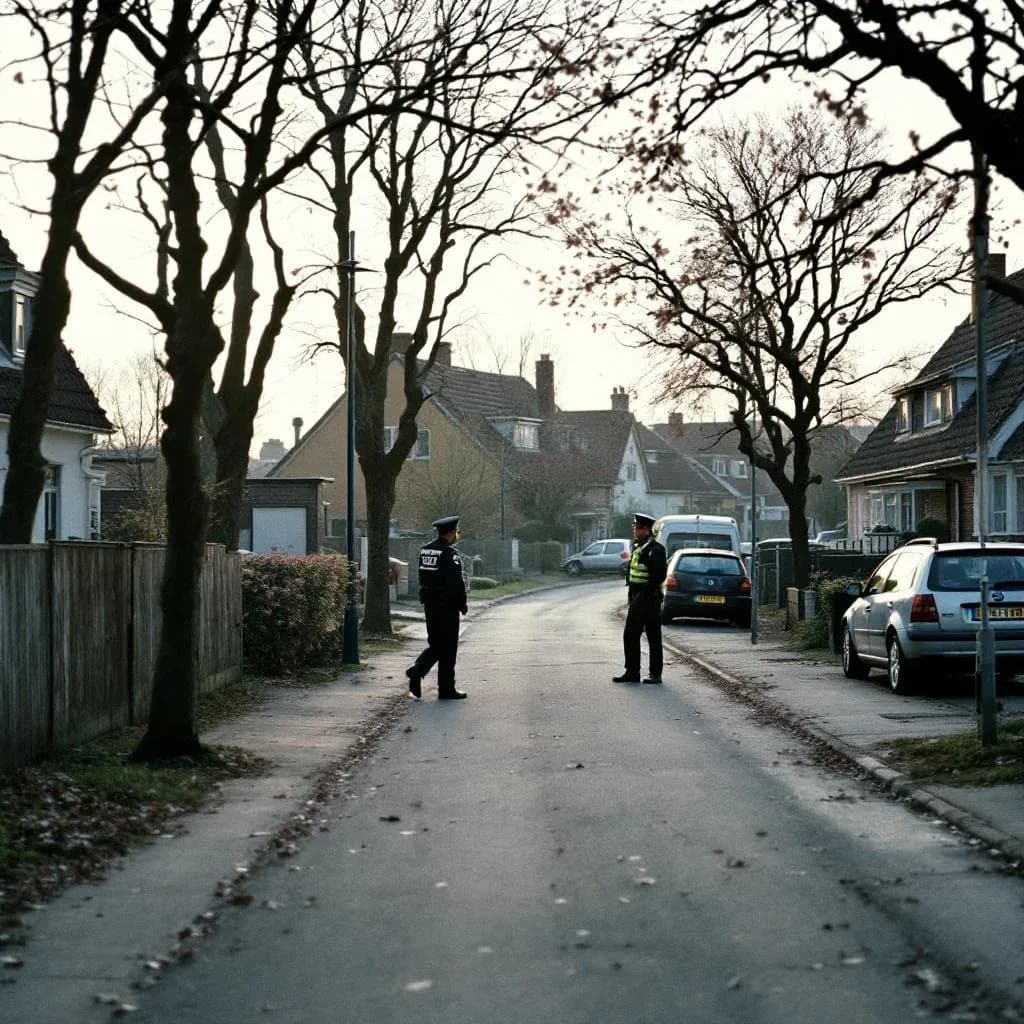
In the summer of 2022, Marco Pohl took a commercial DNA test through a genealogy database—unaware of the consequences it would trigger. The DNA analysis revealed a match that led investigators to the actual perpetrator: Pohl's own uncle, who lived on a quiet street in Dortmund-Hörde. The man was sentenced to life in prison in March 2024—more than 31 years after committing the crime.

Profiling: Science and Experience

Petermann's methodology is based on established profiling techniques used by the LKA, which he refined during his active career. In the book, he describes how profilers develop a psychological profile of the offender based on crime scene evidence, victim selection, and the manner of the crime itself. This is not guesswork—it is systematic analysis of behavioral patterns and criminological experience.

Particularly valuable is Petermann's description of collaboration between profilers, investigators, and forensic specialists. He demonstrates how different disciplines must work together to solve complex criminal cases. The German Federal Criminal Police Office (BKA) and regional police now routinely use such multidisciplinary approaches in serious crime investigations.

Technology Transforms Crime-Solving

The Stefanie Kruger case exemplifies the transformation in criminal investigation. While classical profiling focuses on behavioral analysis, DNA databases and genealogy platforms have revolutionized investigators' capabilities. Petermann addresses this evolution and shows how traditional and modern methods can work in tandem.

The complete resolution of this cold case is regarded as one of the most spectacular successes in recent German criminal history. It demonstrates that even decades-old cases can be solved through persistence and modern technology—a message that offers hope to families of unsolved crimes.

Between Science and Human Stories

What makes Petermann's book particularly compelling is the balance between criminological expertise and human tragedy. Journalist Tatjana Kreidler brings journalistic skill to making complex matters understandable without resorting to sensationalism. The book makes clear: behind every case stand real people—victims, families, and investigators who often live with these cases for years.

For true crime enthusiasts, this work offers a rare opportunity to look behind the scenes of investigations and understand how profilers actually work. It is also a testament to German criminal history and the evolution of crime-fighting methods.

Read more

Stefanie Kruger Cold Case 1992
Case

Stefanie Kruger Cold Case 1992

Firebørn dræbt af fremmed mand i schweizisk horrornagt
Post

Swiss Home Invasion: The Rupperswil Murders and Europe's Largest Manhunt

Utah-mor dømt for mord på mand — udgav sorgebog til børn
Post

Utah Mother Convicted of Poisoning Husband with Fentanyl

Related Content
Stefanie Kruger Cold Case 1992

Stefanie Kruger Cold Case 1992

Firebørn dræbt af fremmed mand i schweizisk horrornagt

Swiss Home Invasion: The Rupperswil Murders and Europe's Largest Manhunt

Utah-mor dømt for mord på mand — udgav sorgebog til børn

Utah Mother Convicted of Poisoning Husband with Fentanyl

Ugens true crime guide uge 19 2026 — journalist desk med mikrofon, headphones og krimidokumentation

No Verified True Crime Events Found for May 4–10, 2026

Advertisement
SS

Susanne Sperling

View all stories →
Share this post:
Dem Bösen auf der Spur – Profiler Axel Petermann im Porträt

Profiler Opens Archives: From Cold Case to Conviction

Germany's leading profiler reveals how DNA genealogy solved a 31-year-old mystery

Author
Susanne Sperling
Published
May 8, 2026 at 12:47 AM

Quick Facts

LocationDortmund-Hörde, Nordrhein-Westfalen
AuthorsAxel Petermann (former LKA profiler) and Tatjana Kreidler (journalist)
PublisherUllstein Verlag
Petermann's stationsLKA Bremen and LKA North Rhine-Westphalia
Featured caseStefanie Kruger (14), missing 1992, perpetrator convicted 2024

A Profiler Opens His Archives

Axel Petermann spent decades working as a criminal profiler at Germany's LKA Bremen and later at LKA North Rhine-Westphalia, where he investigated some of the darkest cases in criminal history. Now, together with journalist Tatjana Kreidler, he has published a book with Ullstein Verlag that offers rare insight into the work of a criminal profiler. The book combines classic true crime storytelling with scientific criminology, demonstrating how police develop offender profiles and what psychological mechanisms drive serious crimes.

What sets this book apart from traditional true crime literature is its analytical approach. Petermann does not merely describe the crimes—he explains in detail the profiling process itself: from analyzing crime scenes, interpreting offender behavior, to narrowing down suspects. Readers gain insight into the methods police use to solve the most serious crimes.

Stefanie Kruger: 31 Years to Justice

One of the most spectacular cases Petermann chronicles is the disappearance of 14-year-old Stefanie Kruger on August 7, 1992. The case remained unsolved for three decades, gathering dust in the basement archives of LKA North Rhine-Westphalia in Dortmund. What makes this case remarkable is that its resolution came not through traditional detective work, but through modern DNA genealogy.

In the summer of 2022, Marco Pohl took a commercial DNA test through a genealogy database—unaware of the consequences it would trigger. The DNA analysis revealed a match that led investigators to the actual perpetrator: Pohl's own uncle, who lived on a quiet street in Dortmund-Hörde. The man was sentenced to life in prison in March 2024—more than 31 years after committing the crime.

Profiling: Science and Experience

Petermann's methodology is based on established profiling techniques used by the LKA, which he refined during his active career. In the book, he describes how profilers develop a psychological profile of the offender based on crime scene evidence, victim selection, and the manner of the crime itself. This is not guesswork—it is systematic analysis of behavioral patterns and criminological experience.

Particularly valuable is Petermann's description of collaboration between profilers, investigators, and forensic specialists. He demonstrates how different disciplines must work together to solve complex criminal cases. The German Federal Criminal Police Office (BKA) and regional police now routinely use such multidisciplinary approaches in serious crime investigations.

Technology Transforms Crime-Solving

The Stefanie Kruger case exemplifies the transformation in criminal investigation. While classical profiling focuses on behavioral analysis, DNA databases and genealogy platforms have revolutionized investigators' capabilities. Petermann addresses this evolution and shows how traditional and modern methods can work in tandem.

The complete resolution of this cold case is regarded as one of the most spectacular successes in recent German criminal history. It demonstrates that even decades-old cases can be solved through persistence and modern technology—a message that offers hope to families of unsolved crimes.

Between Science and Human Stories

What makes Petermann's book particularly compelling is the balance between criminological expertise and human tragedy. Journalist Tatjana Kreidler brings journalistic skill to making complex matters understandable without resorting to sensationalism. The book makes clear: behind every case stand real people—victims, families, and investigators who often live with these cases for years.

For true crime enthusiasts, this work offers a rare opportunity to look behind the scenes of investigations and understand how profilers actually work. It is also a testament to German criminal history and the evolution of crime-fighting methods.

Read more

Stefanie Kruger Cold Case 1992
Case

Stefanie Kruger Cold Case 1992

Firebørn dræbt af fremmed mand i schweizisk horrornagt
Post

Swiss Home Invasion: The Rupperswil Murders and Europe's Largest Manhunt

Utah-mor dømt for mord på mand — udgav sorgebog til børn
Post

Utah Mother Convicted of Poisoning Husband with Fentanyl

Related Content
Stefanie Kruger Cold Case 1992

Stefanie Kruger Cold Case 1992

Firebørn dræbt af fremmed mand i schweizisk horrornagt

Swiss Home Invasion: The Rupperswil Murders and Europe's Largest Manhunt

Utah-mor dømt for mord på mand — udgav sorgebog til børn

Utah Mother Convicted of Poisoning Husband with Fentanyl

Ugens true crime guide uge 19 2026 — journalist desk med mikrofon, headphones og krimidokumentation

No Verified True Crime Events Found for May 4–10, 2026

Advertisement
SS

Susanne Sperling

View all stories →
Share this post: