Making a Murderer: The Netflix Case That Divided True Crime Audiences
How a documentary series brought Wisconsin's contested murder conviction into the global spotlight
Quick Facts
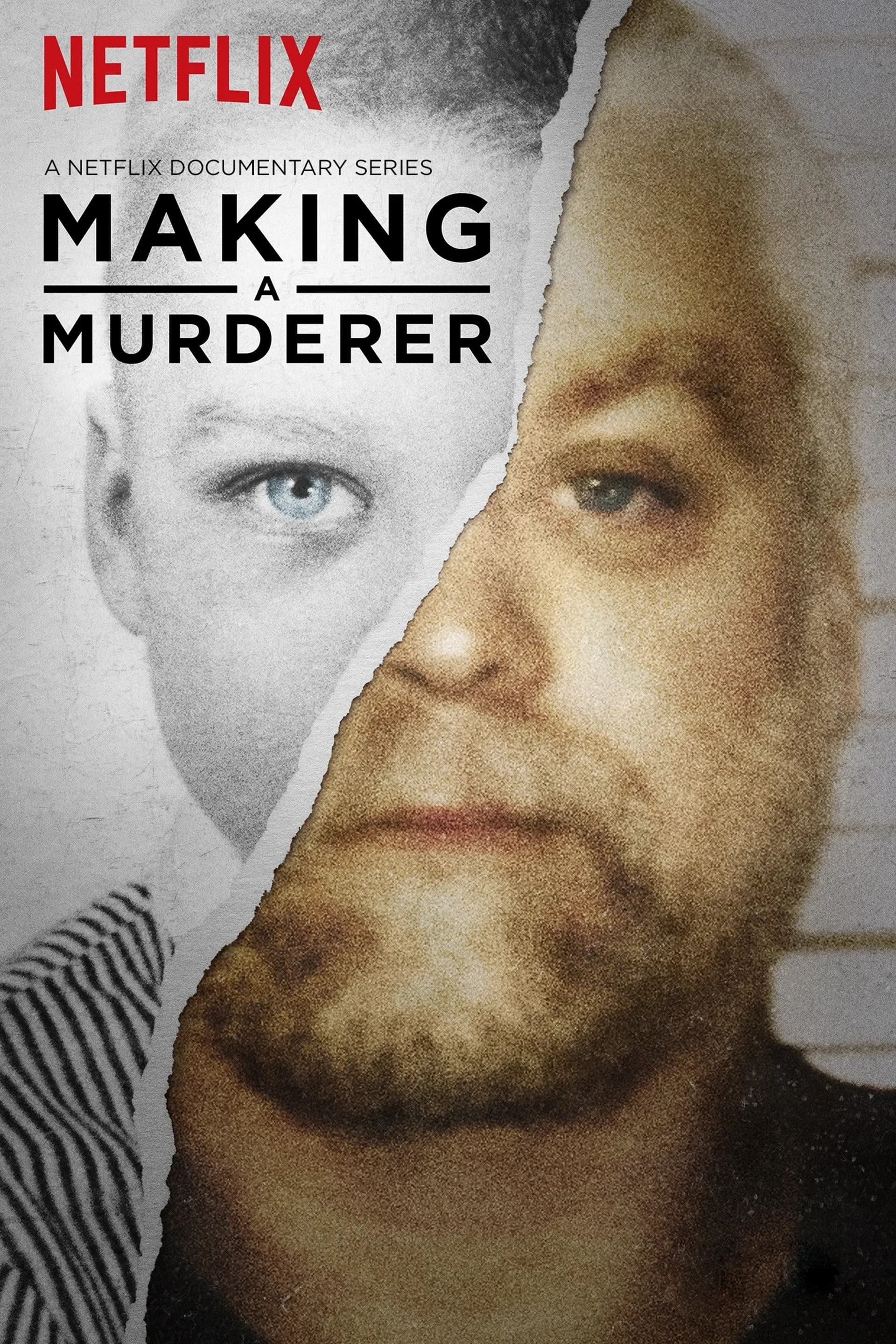
In December 2015, directors Laura Ricciardi and Moira Demos released Making a Murderer on Netflix, an American true crime documentary that would captivate international audiences and reignite debate about the American justice system. The series chronicles a complex and contested narrative spanning from 1985 to 2007, centered on Steven Avery of Manitowoc County, Wisconsin.
Avery's story begins with tragedy. In 1985, he was convicted of sexual assault and attempted murder, serving 18 years in prison for a crime he did not commit. In 2003, DNA evidence—specifically a single pubic hair—exonerated him. Upon release, Avery filed a $36 million civil lawsuit against Manitowoc County, setting the stage for what would follow.
However, Avery's past extended beyond his wrongful conviction. Before 1985, he faced accusations of sexual assault from two women. One incident involved his cousin, whom he allegedly threatened at gunpoint to pull over; her mother claimed Avery raped her and threatened her life if she reported it. A second woman allegedly did not report a sexual assault due to threats from Avery. His history also included involvement in robberies and a disturbing incident with a cat thrown onto a bonfire. Additionally, Avery was physically abusive to both a former wife and fiancée.
In 2005, Avery's life took another dramatic turn when he was arrested and charged with the murder of Teresa Halbach, a photographer for AutoTrader magazine who had visited his property. The evidence presented at trial proved substantial: Avery's DNA was found on the hood latch of Halbach's vehicle; a bullet recovered from his garage was fired by his rifle; Halbach's belongings—her phone and camera—were discovered approximately 20 feet from his door; and physical evidence was located in a firepit on Avery's property.
The day of Halbach's disappearance proved particularly damning. Avery had called her three times, requesting "that same girl who was here last time." During these calls, he used his sister's number and provided a false name, while blocking his own number. In 2007, a jury found Avery guilty of intentional homicide.