Danish TV Series Blurs Fiction and Crime Narrative
Most Evil examines psychiatry and criminal psychology through dramatic storytelling
Quick Facts
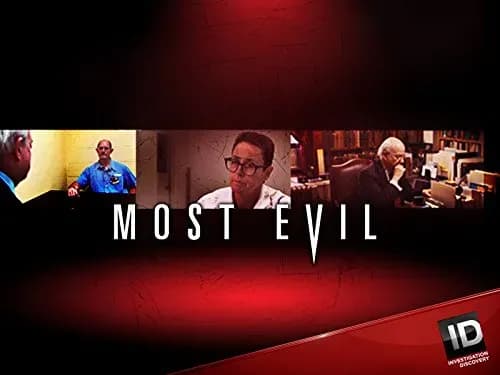
Most Evil: Psykiatri møder kriminalitet på skærmen is a Danish television series that presents dramatized narratives centered on crime and psychiatric themes.
The show constructs fictional scenarios that explore how mental health assessment intersects with criminal investigation and prosecution. Rather than documenting verified criminal cases, the series relies on scripted storylines designed to examine psychological concepts within crime-related contexts.
One recurring narrative element involves domestic scenarios with high-stakes tension—including plot devices such as family members receiving urgent midnight calls, instructions to hide in residential spaces, and the unexpected arrival of armed intruders. These dramatizations serve as vehicles for exploring psychiatric and criminological themes.
As a work of television fiction, Most Evil operates within the entertainment category rather than as documentary true crime reporting. The distinction matters for international audiences: the series does not chronicle actual crimes, verified verdicts, or real individuals involved in prosecuted cases.
Danish television has a growing portfolio of crime-related programming. This particular series positions itself within that landscape by using psychiatric frameworks and criminal psychology concepts as thematic anchors for its fictional narratives.
For viewers and researchers seeking documented true crime analysis, the distinction between dramatized television and verified case reporting remains critical. Most Evil should be understood as a dramatic interpretation of crime and psychiatric themes rather than a factual accounting of real events.