True crime news logo
  • Nyheder
True crime news logo

The international true crime destination. Cases, documentaries, podcasts and travel routes.

© 2026 truecrime.news. All rights reserved.

The Black Swan: Crime Networks in High Society

Danish Documentary Exposes Elite Crime Network Using Undercover Lawyer

The 'Black Swan' series reveals corruption spanning motorcycle gangs, lawyers and business leaders in Scandinavia

Published
May 26, 2025 at 10:00 PM

Quick Facts

År2024
IMDb8.3/10
TMDb8/10

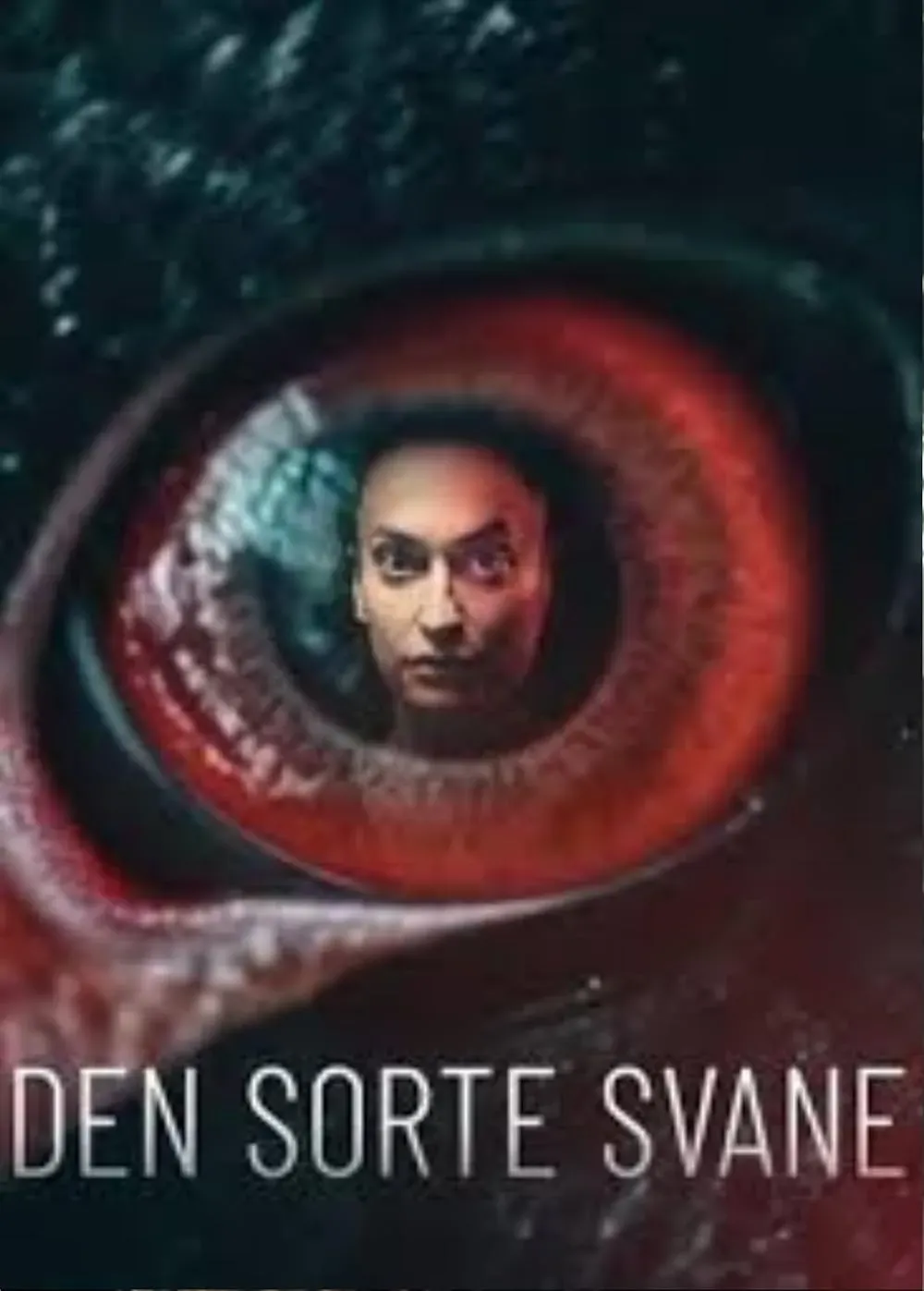
In May 2024, Danish broadcaster TV 2 premiered 'Den sorte svane' (The Black Swan), a seven-part documentary series that claims to expose organized crime reaching into Scandinavia's professional and business circles. The production has become a case study in the tensions between investigative journalism, legal accountability, and press freedom in Northern Europe.

The documentary's centerpiece is Amira Smajic, a 36-year-old Danish lawyer who worked as an undercover informant—known in Scandinavian media as a "muldvarp" (mole)—for the documentary team. Operating from an anonymous office in Copenhagen, Smajic used her professional connections to record meetings with individuals allegedly involved in criminal networks. The recordings document connections between motorcycle gang members, particularly from the Bandidos organization, and lawyers, entrepreneurs, and other members of Denmark's upper class.

The series alleges systematic economic crimes including money laundering, tax and VAT fraud, and illegal employment practices. Several named individuals have faced professional consequences: a curator reportedly left his position at the law firm Horten, and a lawyer was reported to Denmark's Bar Association (Advokatsamfundet). A motorcycle gang member featured in the documentary was arrested in October 2024 and charged with gross tax and VAT fraud and threats.

For international viewers, understanding the significance requires context about Denmark's legal system. The Danish court system operates through regional courts and appeals courts (landsret), with strict rules around defamation and the right to reply. Before broadcast, the documentary required approval from the Østre Landsret (Eastern High Court), which determined the series addressed matters of substantial public interest—a threshold not easily met in Nordic legal traditions that protect privacy and reputation.

Yet the documentary has become mired in credibility questions. Smajic later disputed parts of the series, claiming certain episodes were staged—allegations that strike at the heart of the production's legitimacy. These accusations have raised broader questions about undercover journalism in Scandinavia, where ethical guidelines around source protection and informed consent are stricter than in some other democracies.

The case has also exposed tensions between investigative journalism and law enforcement. Reports emerged that Smajic provided information to police about the journalists involved in the project, complicating narratives of who was documenting whom. In response to legal challenges from accused individuals, a Glostrup court judge ordered TV 2 to release unedited raw audio recordings to defense attorneys while protecting journalists' internal correspondence—a compromise that satisfied neither complete transparency nor press protection.

The documentary represents an ambitious Nordic co-production involving Danish TV 2, Norwegian broadcaster NRK, and production company Wingman Media, with editorial input from investigative filmmaker Mads Brügger. This international collaboration reflects how Scandinavian media organizations increasingly tackle cross-border organized crime and elite corruption.

Comparable documentaries exist internationally—the British 'Panorama' series, HBO's investigative work, and Netflix's crime documentaries have all grappled with similar ethical dilemmas. However, the Den sorte svane case is particularly significant in a Scandinavian context, where public trust in institutions remains high and tolerance for journalistic ambiguity is traditionally lower.

The series raises unanswered questions relevant beyond Denmark: When does undercover journalism cross into entrapment? Who bears responsibility when informants later contest their own recorded statements? How should courts balance public interest against the rights of the accused when evidence derives from hidden recordings?

As of early 2025, Den sorte svane remains available on TV 2 Play, though its reputation has fractured. Whether the documentary ultimately serves as a landmark investigation into Scandinavian elite crime or a cautionary tale about journalistic overreach may depend less on what was recorded than on what viewers choose to believe.

Read more

Dirty Billions expose money laundering at Danske Bank
Book

Danske Bank's $230 Billion Money Laundering Scandal

A figure resembling Iqbal Khan stands on a bustling Zurich street, checking his watch with a wary expression, as anonymous figures in the background appear to be following him discreetly.
Case

Swiss Banking Scandal: Credit Suisse's Illegal Surveillance of Departing Executive

A computer screen displays Binance's cryptocurrency dashboard, a red alert notification flashing next to the balance showing a missing 7,000 bitcoin, symbolizing the massive cyberattack that rocked the exchange.
Case

Binance hacks and the battle against cybercrime

Related Content
Dirty Billions expose money laundering at Danske Bank

Danske Bank's $230 Billion Money Laundering Scandal

A figure resembling Iqbal Khan stands on a bustling Zurich street, checking his watch with a wary expression, as anonymous figures in the background appear to be following him discreetly.

Swiss Banking Scandal: Credit Suisse's Illegal Surveillance of Departing Executive

A computer screen displays Binance's cryptocurrency dashboard, a red alert notification flashing next to the balance showing a missing 7,000 bitcoin, symbolizing the massive cyberattack that rocked the exchange.

Binance hacks and the battle against cybercrime

A figure resembling Gilberto Orejuela, wearing a business suit, sits at a large wooden desk cluttered with stacks of cash, maps, and a small ornate globe in an upscale office setting.

The Cali Cartel: How a Colombian Empire Conquered Global Markets

Advertisement

Susanne Sperling

Admin

Share this post:
The Black Swan: Crime Networks in High Society

Danish Documentary Exposes Elite Crime Network Using Undercover Lawyer

The 'Black Swan' series reveals corruption spanning motorcycle gangs, lawyers and business leaders in Scandinavia

Published
May 26, 2025 at 10:00 PM

Quick Facts

År2024
IMDb8.3/10
TMDb8/10

In May 2024, Danish broadcaster TV 2 premiered 'Den sorte svane' (The Black Swan), a seven-part documentary series that claims to expose organized crime reaching into Scandinavia's professional and business circles. The production has become a case study in the tensions between investigative journalism, legal accountability, and press freedom in Northern Europe.

The documentary's centerpiece is Amira Smajic, a 36-year-old Danish lawyer who worked as an undercover informant—known in Scandinavian media as a "muldvarp" (mole)—for the documentary team. Operating from an anonymous office in Copenhagen, Smajic used her professional connections to record meetings with individuals allegedly involved in criminal networks. The recordings document connections between motorcycle gang members, particularly from the Bandidos organization, and lawyers, entrepreneurs, and other members of Denmark's upper class.

The series alleges systematic economic crimes including money laundering, tax and VAT fraud, and illegal employment practices. Several named individuals have faced professional consequences: a curator reportedly left his position at the law firm Horten, and a lawyer was reported to Denmark's Bar Association (Advokatsamfundet). A motorcycle gang member featured in the documentary was arrested in October 2024 and charged with gross tax and VAT fraud and threats.

For international viewers, understanding the significance requires context about Denmark's legal system. The Danish court system operates through regional courts and appeals courts (landsret), with strict rules around defamation and the right to reply. Before broadcast, the documentary required approval from the Østre Landsret (Eastern High Court), which determined the series addressed matters of substantial public interest—a threshold not easily met in Nordic legal traditions that protect privacy and reputation.

Yet the documentary has become mired in credibility questions. Smajic later disputed parts of the series, claiming certain episodes were staged—allegations that strike at the heart of the production's legitimacy. These accusations have raised broader questions about undercover journalism in Scandinavia, where ethical guidelines around source protection and informed consent are stricter than in some other democracies.

The case has also exposed tensions between investigative journalism and law enforcement. Reports emerged that Smajic provided information to police about the journalists involved in the project, complicating narratives of who was documenting whom. In response to legal challenges from accused individuals, a Glostrup court judge ordered TV 2 to release unedited raw audio recordings to defense attorneys while protecting journalists' internal correspondence—a compromise that satisfied neither complete transparency nor press protection.

The documentary represents an ambitious Nordic co-production involving Danish TV 2, Norwegian broadcaster NRK, and production company Wingman Media, with editorial input from investigative filmmaker Mads Brügger. This international collaboration reflects how Scandinavian media organizations increasingly tackle cross-border organized crime and elite corruption.

Comparable documentaries exist internationally—the British 'Panorama' series, HBO's investigative work, and Netflix's crime documentaries have all grappled with similar ethical dilemmas. However, the Den sorte svane case is particularly significant in a Scandinavian context, where public trust in institutions remains high and tolerance for journalistic ambiguity is traditionally lower.

The series raises unanswered questions relevant beyond Denmark: When does undercover journalism cross into entrapment? Who bears responsibility when informants later contest their own recorded statements? How should courts balance public interest against the rights of the accused when evidence derives from hidden recordings?

As of early 2025, Den sorte svane remains available on TV 2 Play, though its reputation has fractured. Whether the documentary ultimately serves as a landmark investigation into Scandinavian elite crime or a cautionary tale about journalistic overreach may depend less on what was recorded than on what viewers choose to believe.
Read more

Dirty Billions expose money laundering at Danske Bank
Book

Danske Bank's $230 Billion Money Laundering Scandal

A figure resembling Iqbal Khan stands on a bustling Zurich street, checking his watch with a wary expression, as anonymous figures in the background appear to be following him discreetly.
Case

Swiss Banking Scandal: Credit Suisse's Illegal Surveillance of Departing Executive

A computer screen displays Binance's cryptocurrency dashboard, a red alert notification flashing next to the balance showing a missing 7,000 bitcoin, symbolizing the massive cyberattack that rocked the exchange.
Case

Binance hacks and the battle against cybercrime

Related Content
Dirty Billions expose money laundering at Danske Bank

Danske Bank's $230 Billion Money Laundering Scandal

A figure resembling Iqbal Khan stands on a bustling Zurich street, checking his watch with a wary expression, as anonymous figures in the background appear to be following him discreetly.

Swiss Banking Scandal: Credit Suisse's Illegal Surveillance of Departing Executive

A computer screen displays Binance's cryptocurrency dashboard, a red alert notification flashing next to the balance showing a missing 7,000 bitcoin, symbolizing the massive cyberattack that rocked the exchange.

Binance hacks and the battle against cybercrime

A figure resembling Gilberto Orejuela, wearing a business suit, sits at a large wooden desk cluttered with stacks of cash, maps, and a small ornate globe in an upscale office setting.

The Cali Cartel: How a Colombian Empire Conquered Global Markets

Advertisement

Susanne Sperling

Admin

Share this post: