Sweden's Palme Murder Mystery Gets New Scrutiny in Documentary
A four-part series examines investigator Jan Stocklassa's findings from Stieg Larsson's archives on the unsolved 1986 assassination
Quick Facts
On the evening of February 28, 1986, Swedish Prime Minister Olof Palme was fatally shot on Sveavägen street in central Stockholm as he walked home from a cinema with his wife, Lisbeth. He died at Sabbatsberg Hospital less than an hour later. The assassination triggered what would become the world's largest murder investigation—yet 34 years on, no one has been convicted.
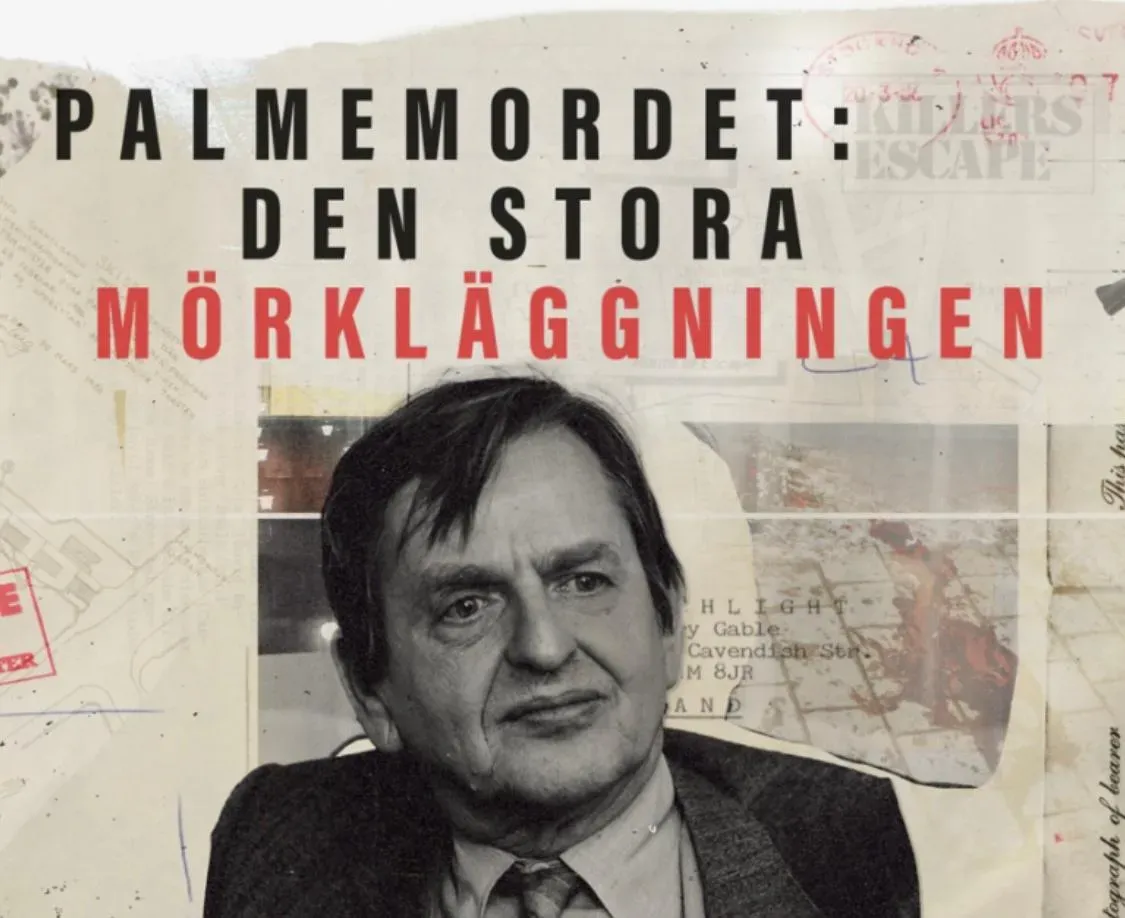
Now, Swedish broadcaster Kanal 5 has released *Palmemordet: Den stora mörkläggningen* ("The Palme Murder: The Great Cover-Up"), a four-episode documentary series that reopens the case through the eyes of investigator Jan Stocklassa. Directed by Matt Rudge and produced by David Batty and Rebecca Hayman, the series premiered on May 24, 2023, and is available on platforms including Apple TV and Plex.
The documentary is based on Stocklassa's research into the private archives of Stieg Larsson, the late Swedish journalist and author best known for *The Girl with the Dragon Tattoo*. Larsson spent years investigating the Palme case before his death in 2004. Stocklassa's book *Stieg Larsson's Archive - The Key to the Palme Murder* formed the foundation for the series, which has been translated into 27 languages, signaling international interest in the case.
At the heart of the series is Stocklassa's central claim: "The theory that Stieg Larsson was convinced about has not been investigated to the bottom." Rather than accepting official conclusions, the documentary explores what Stocklassa contends are uninvestigated leads and potential police cover-up.
The investigation's most significant recent development came in June 2020, when prosecutor Krister Petersson named Stig Engström—a graphic designer nicknamed "Skandia Man" for his workplace near the crime scene—as the prime suspect. Engström, born February 26, 1934, claimed to have arrived at the scene shortly after the shots were fired. However, the case against him was built on circumstantial evidence, and without direct proof, the investigation was suspended following his death on June 26, 2000.