Boston's $500M Art Heist: Why One of America's Biggest Museum Thefts Remains Unsolved
The 1990 Isabella Stewart Gardner Museum robbery hints at organized crime, but decades of FBI investigation have yielded no convictions
Sagsdetaljer
Quick Facts
Quick Facts
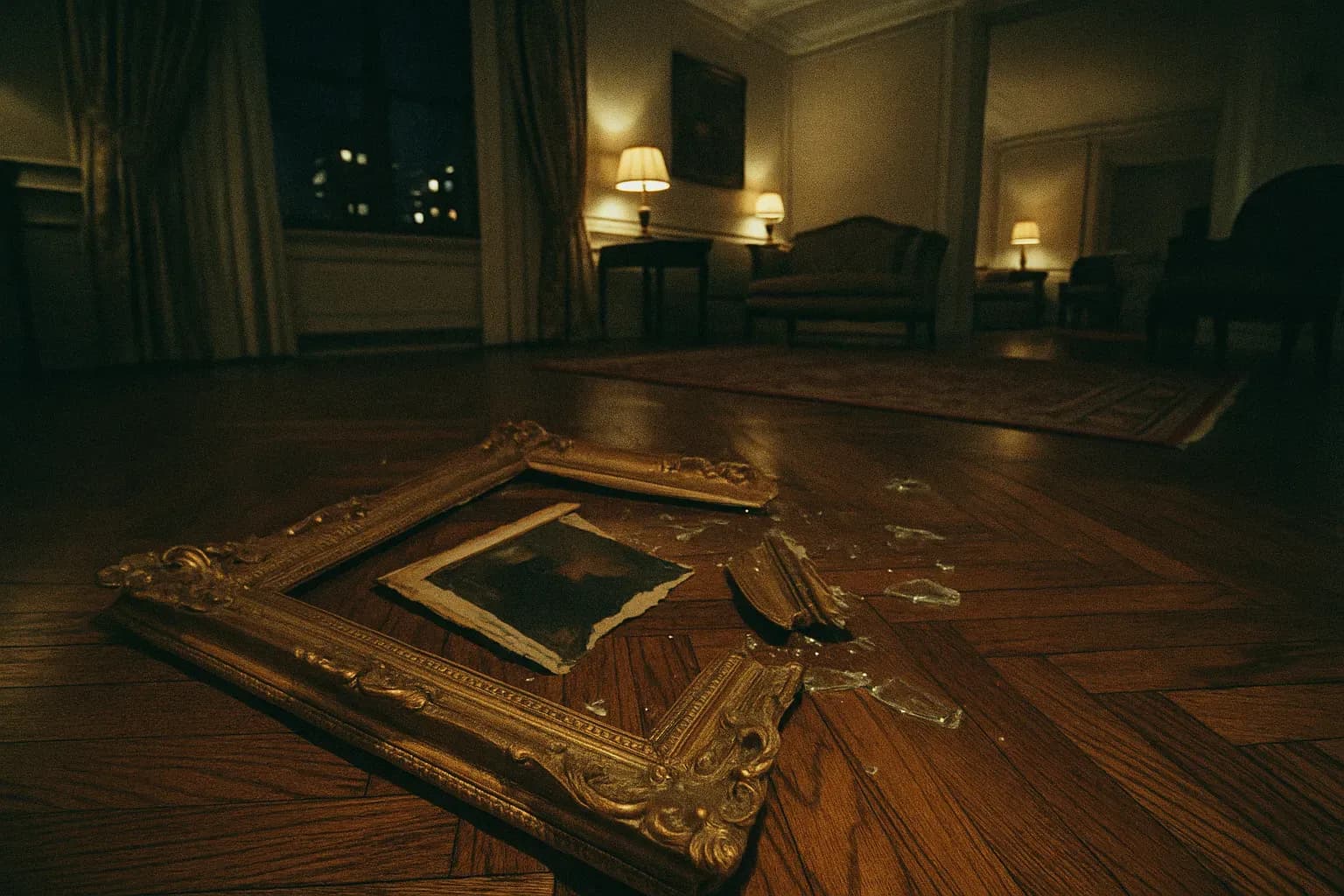
In March 1990, two men in Boston police uniforms walked into one of America's most prestigious art museums and executed what would become the largest art heist in U.S. history. When they left the Isabella Stewart Gardner Museum that night, they carried away paintings worth an estimated $500 million—including a Rembrandt seascape so rare it was the artist's only work depicting the subject.
Thirty-five years later, the case remains cold. The FBI has named suspects, followed organized crime leads across state lines, and pursued international art trafficking networks. Yet no convictions have been secured, and the paintings have never been recovered.
**The Night Everything Changed**
On the evening of March 18, 1990, two men dressed as Boston police officers approached the side entrance of the Isabella Stewart Gardner Museum in the Fenway neighborhood. The security guards on duty, unfamiliar with all uniformed officers in the area, admitted them without question—a decision that would haunt the institution forever.
Once inside, the thieves moved with precision. They bypassed elaborate security systems and methodically cut thirteen paintings from their frames. The haul included Vermeer's "The Concert," considered one of the world's most valuable paintings, and Rembrandt's "Christ in the Storm on the Sea of Galilee," a masterwork whose seascape subject made it exceptionally rare in Rembrandt's oeuvre.
The theft was brazen in its execution but also strategic—the thieves took only what they could carry, leaving other valuable works untouched. This suggested professional knowledge of art markets and logistics.
**The Investigation: Suspects but No Convictions**
The FBI took over the case within hours. Investigators identified several suspects within years: George Reissfelder, a convicted art thief with connections to Boston's underworld, and Leonardo DiMuzio, another career criminal. Both men died in the early 1990s—Reissfelder in 1991, DiMuzio around the same time—before formal charges could be filed.