True crime news logo
  • News
True crime news logo

The international true crime destination. Cases, documentaries, podcasts and travel routes.

© 2026 truecrime.news. All rights reserved.

Die RAF — Deutschlands blutigste Terrororganisation 1970–1998

RAF — Germany's Deadliest Terror Group 1970–1998

The Red Army Faction's Three Decades of Violence

By
Susanne Sperling
Published
May 7, 2026 at 07:02 PM

Quick Facts

LocationJVA Stuttgart-Stammheim, Deutschland — Gefängnis der RAF-Führung und Ort der Todesnacht 1977
Active years1970 to 1998
Victims34 people murdered
FoundersAndreas Baader, Gudrun Ensslin, Ulrike Meinhof
Peak periodGerman Autumn 1977

Birth of a Terror Organization

The Red Army Faction emerged in 1970 from the student uprisings of the late 1960s. Andreas Baader, Gudrun Ensslin and journalist Ulrike Meinhof were the intellectual and operational leaders of a group that fought violently against West Germany's "imperialist system." When Baader was freed from prison in May 1970 — an operation in which a librarian was shot — it marked the beginning of armed terror.

The early years were characterized by bank robberies for financing, building conspiratorial structures and flight to Jordan, where members underwent paramilitary training with Fatah. Back in Germany, RAF launched its offensive in 1972 with bomb attacks: Explosions targeting American facilities, the Springer high-rise in Hamburg and police stations killed four people and wounded dozens.

First Generation and Stammheim Prison

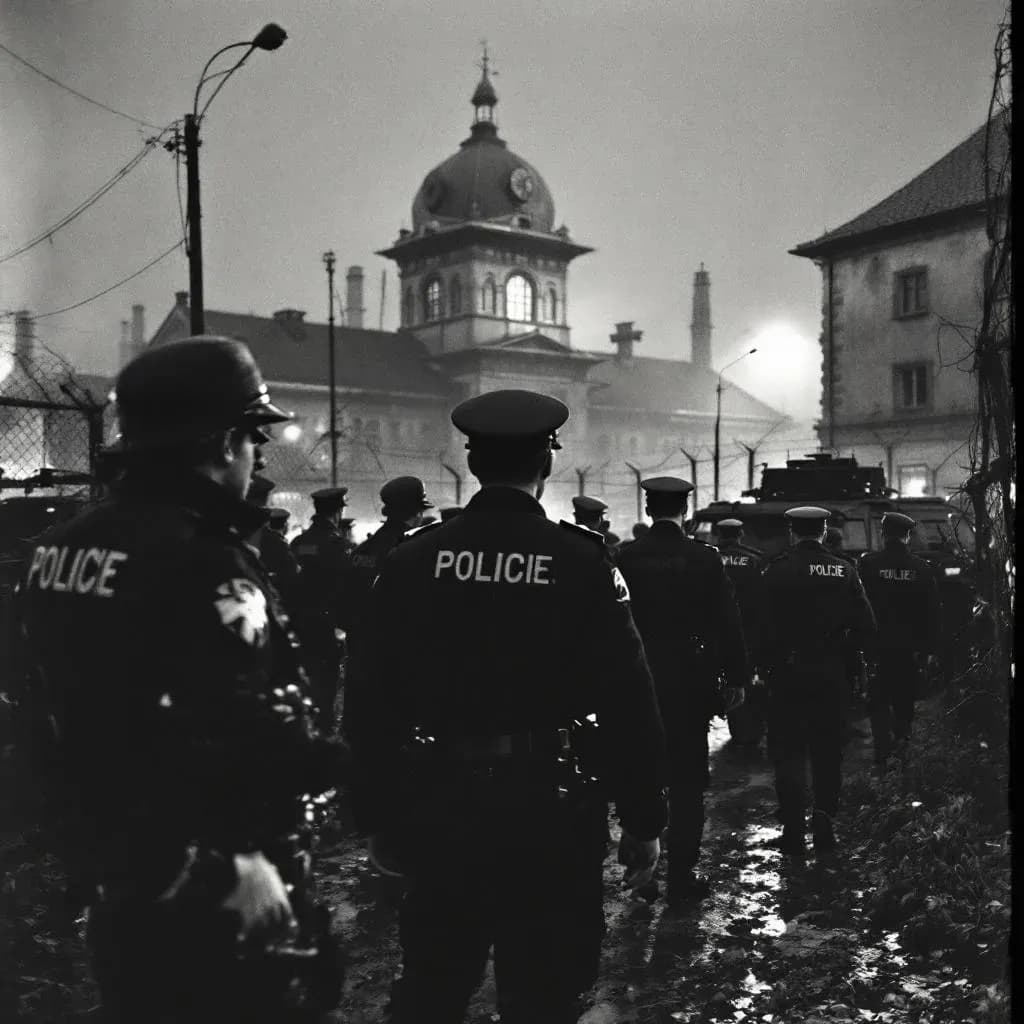
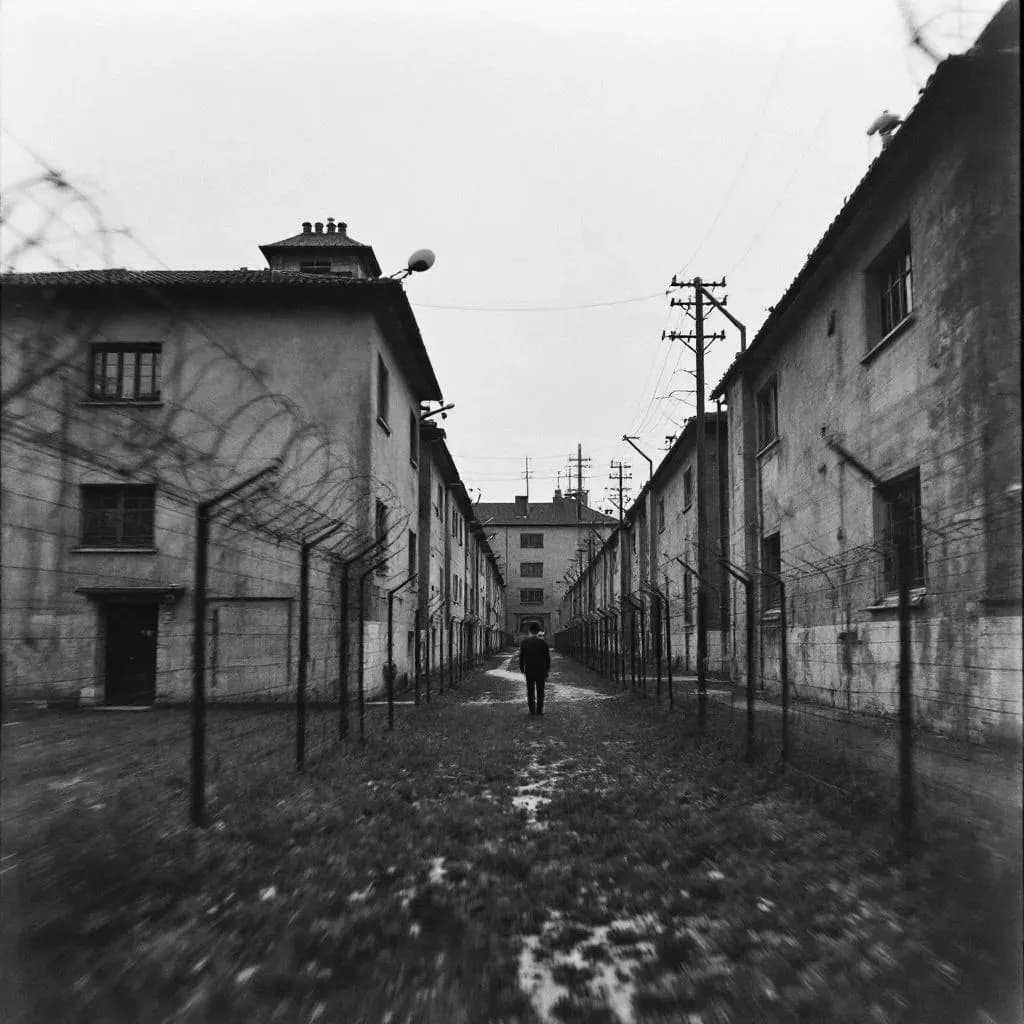
By June 1972, West German authorities succeeded in arresting RAF's leadership. Baader, Ensslin, Meinhof and other members were imprisoned in Stuttgart-Stammheim, where the spectacular trial against the terrorists began in 1975. The proceedings were marked by hunger strikes, self-harm and political declarations from the accused.

Ulrike Meinhof hanged herself on May 9, 1976 in her cell. Her fellow prisoners and supporters claimed she was murdered, but the official version stated suicide. The trial concluded in April 1977 with life sentences for Baader, Ensslin and Jan-Carl Raspe. But the violence was far from over — on the contrary, it escalated.
The German Autumn of 1977

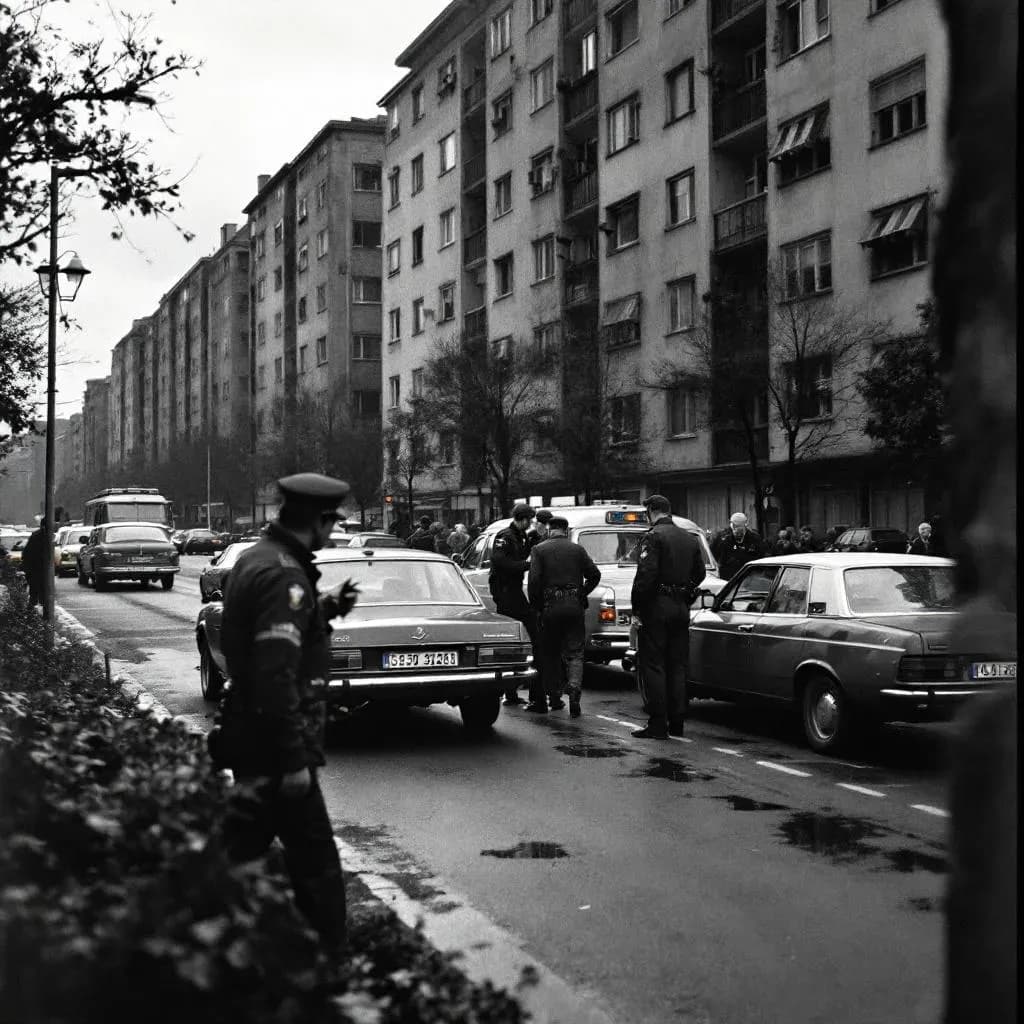
RAF's second generation launched a wave of terror in 1977 aimed at pressuring authorities to release the imprisoned founders. On April 7, Federal Prosecutor General Siegfried Buback was shot along with his driver and an official in Karlsruhe. In July, RAF terrorists killed banker Jürgen Ponto during a kidnapping attempt. The climax followed on September 5: The abduction of Employers' Association President Hanns Martin Schleyer in Cologne, where four bodyguards were executed.

The federal government under Helmut Schmidt refused negotiations. On October 13, Palestinian terrorists hijacked Lufthansa flight "Landshut" with 86 passengers aboard to apply additional pressure. GSG 9 freed the hostages in Mogadishu on the night of October 18. Hours later, Baader, Ensslin and Raspe were found dead in their cells — officially ruled suicide. On October 19, Schleyer's body was found in the trunk of a car in Mulhouse.

RAF's Final Dissolution

After the German Autumn, RAF continued its political murders, albeit with declining intensity. In the 1980s and 1990s, the third generation murdered additional business leaders and politicians, including Deutsche Bank chairman Alfred Herrhausen in 1989 and Treuhand director Detlev Karsten Rohwedder in 1991.

On April 20, 1998, RAF declared its dissolution in an eight-page letter: "The revolutionary violence from May 20, 1970 is history." Nearly three decades of terror had cost 34 lives and permanently changed West Germany. To this day, not all RAF crimes have been solved, and some former members still live in hiding. The reckoning with RAF continues to shape German debate about terrorism, state power and political extremism.

Read more

Andreas Baader
Profile

Andreas Baader

RAF - Rote Armee Fraktion
Case

RAF - Rote Armee Fraktion

Firebørn dræbt af fremmed mand i schweizisk horrornagt
Post

Swiss Home Invasion: The Rupperswil Murders and Europe's Largest Manhunt

Related Content
Andreas Baader

Andreas Baader

RAF - Rote Armee Fraktion

RAF - Rote Armee Fraktion

Firebørn dræbt af fremmed mand i schweizisk horrornagt

Swiss Home Invasion: The Rupperswil Murders and Europe's Largest Manhunt

Utah-mor dømt for mord på mand — udgav sorgebog til børn

Utah Mother Convicted of Poisoning Husband with Fentanyl

Advertisement
SS

Susanne Sperling

Share this post:
Die RAF — Deutschlands blutigste Terrororganisation 1970–1998

RAF — Germany's Deadliest Terror Group 1970–1998

The Red Army Faction's Three Decades of Violence

By
Susanne Sperling
Published
May 7, 2026 at 07:02 PM

Quick Facts

LocationJVA Stuttgart-Stammheim, Deutschland — Gefängnis der RAF-Führung und Ort der Todesnacht 1977
Active years1970 to 1998
Victims34 people murdered
FoundersAndreas Baader, Gudrun Ensslin, Ulrike Meinhof
Peak periodGerman Autumn 1977

Birth of a Terror Organization

The Red Army Faction emerged in 1970 from the student uprisings of the late 1960s. Andreas Baader, Gudrun Ensslin and journalist Ulrike Meinhof were the intellectual and operational leaders of a group that fought violently against West Germany's "imperialist system." When Baader was freed from prison in May 1970 — an operation in which a librarian was shot — it marked the beginning of armed terror.

The early years were characterized by bank robberies for financing, building conspiratorial structures and flight to Jordan, where members underwent paramilitary training with Fatah. Back in Germany, RAF launched its offensive in 1972 with bomb attacks: Explosions targeting American facilities, the Springer high-rise in Hamburg and police stations killed four people and wounded dozens.

First Generation and Stammheim Prison

By June 1972, West German authorities succeeded in arresting RAF's leadership. Baader, Ensslin, Meinhof and other members were imprisoned in Stuttgart-Stammheim, where the spectacular trial against the terrorists began in 1975. The proceedings were marked by hunger strikes, self-harm and political declarations from the accused.

Ulrike Meinhof hanged herself on May 9, 1976 in her cell. Her fellow prisoners and supporters claimed she was murdered, but the official version stated suicide. The trial concluded in April 1977 with life sentences for Baader, Ensslin and Jan-Carl Raspe. But the violence was far from over — on the contrary, it escalated.

The German Autumn of 1977

RAF's second generation launched a wave of terror in 1977 aimed at pressuring authorities to release the imprisoned founders. On April 7, Federal Prosecutor General Siegfried Buback was shot along with his driver and an official in Karlsruhe. In July, RAF terrorists killed banker Jürgen Ponto during a kidnapping attempt. The climax followed on September 5: The abduction of Employers' Association President Hanns Martin Schleyer in Cologne, where four bodyguards were executed.

The federal government under Helmut Schmidt refused negotiations. On October 13, Palestinian terrorists hijacked Lufthansa flight "Landshut" with 86 passengers aboard to apply additional pressure. GSG 9 freed the hostages in Mogadishu on the night of October 18. Hours later, Baader, Ensslin and Raspe were found dead in their cells — officially ruled suicide. On October 19, Schleyer's body was found in the trunk of a car in Mulhouse.

RAF's Final Dissolution

After the German Autumn, RAF continued its political murders, albeit with declining intensity. In the 1980s and 1990s, the third generation murdered additional business leaders and politicians, including Deutsche Bank chairman Alfred Herrhausen in 1989 and Treuhand director Detlev Karsten Rohwedder in 1991.

On April 20, 1998, RAF declared its dissolution in an eight-page letter: "The revolutionary violence from May 20, 1970 is history." Nearly three decades of terror had cost 34 lives and permanently changed West Germany. To this day, not all RAF crimes have been solved, and some former members still live in hiding. The reckoning with RAF continues to shape German debate about terrorism, state power and political extremism.

Read more

Andreas Baader
Profile

Andreas Baader

RAF - Rote Armee Fraktion
Case

RAF - Rote Armee Fraktion

Firebørn dræbt af fremmed mand i schweizisk horrornagt
Post

Swiss Home Invasion: The Rupperswil Murders and Europe's Largest Manhunt

Related Content
Andreas Baader

Andreas Baader

RAF - Rote Armee Fraktion

RAF - Rote Armee Fraktion

Firebørn dræbt af fremmed mand i schweizisk horrornagt

Swiss Home Invasion: The Rupperswil Murders and Europe's Largest Manhunt

Utah-mor dømt for mord på mand — udgav sorgebog til børn

Utah Mother Convicted of Poisoning Husband with Fentanyl

Advertisement
SS

Susanne Sperling

Share this post: