The Attack on the Cultural Festival
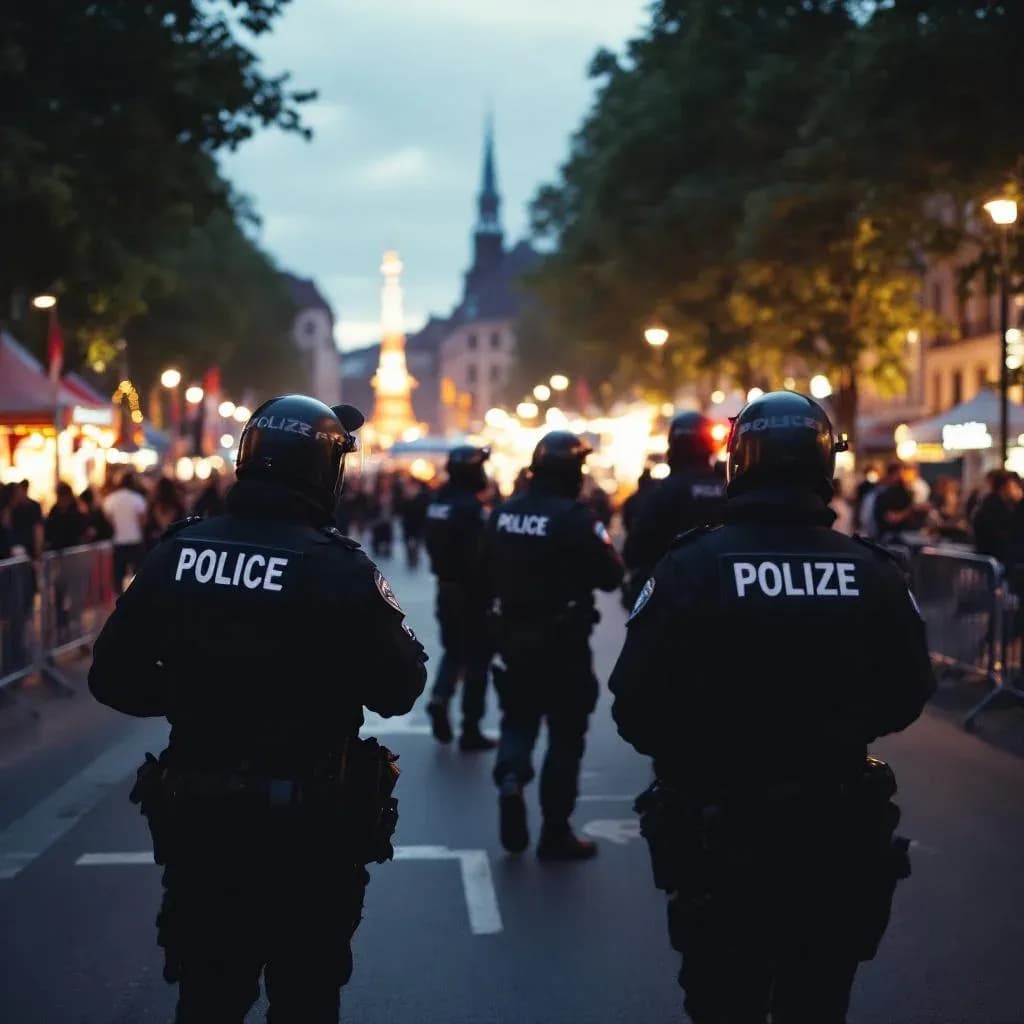
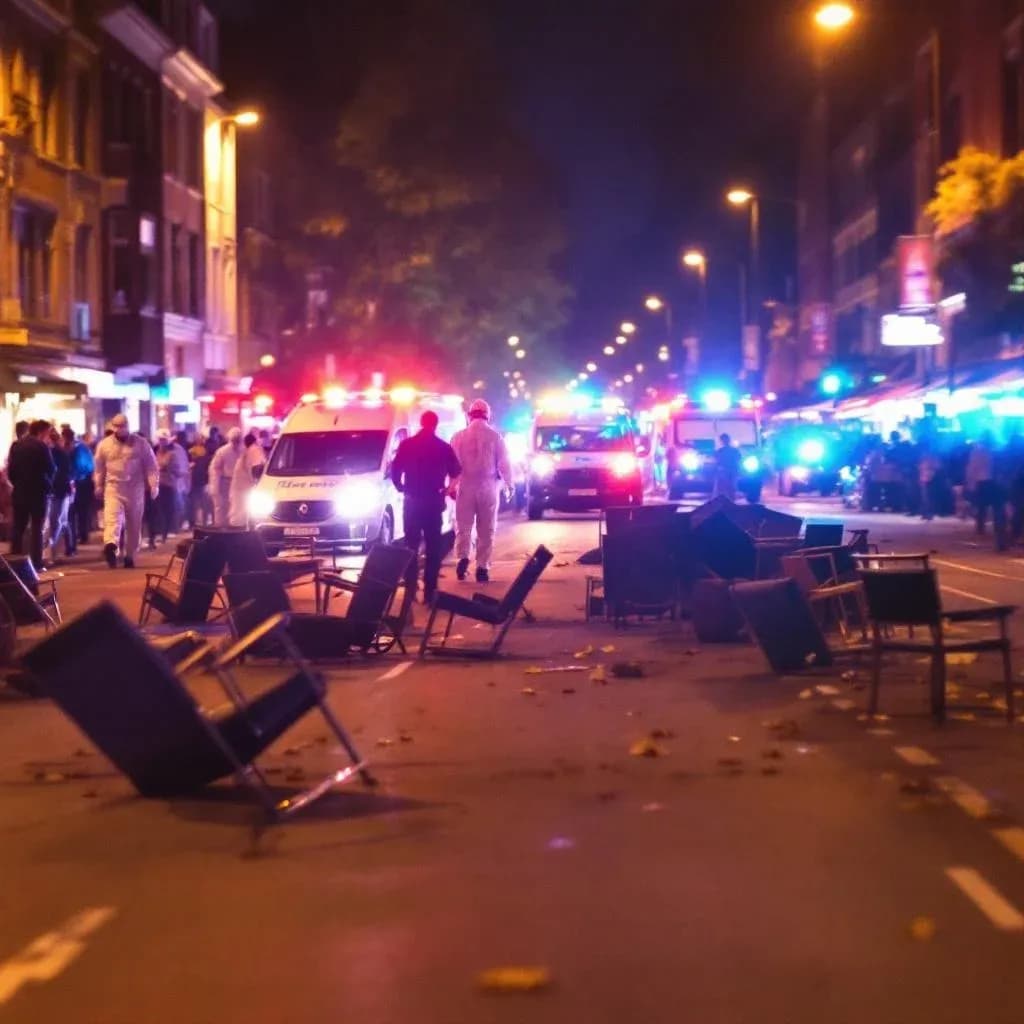
On August 23, 2024, a massive knife attack took place at the annual Sommerfest in Solingen, a city of approximately 160,000 residents in North Rhine-Westphalia. The festival's theme was to celebrate diversity and integration, and around 3,000 people were present in the area at Fronhofplatz. Shortly after 9:30 p.m., a man suddenly began attacking random festival attendees with a large kitchen knife or dagger.
Within minutes, three people were killed: a 25-year-old man, a 56-year-old woman, and a 34-year-old man. Eight others were seriously wounded, several of whom later received hospital treatment for critical injuries. Witnesses described scenes of chaos and panic as people fled the area while police rushed to the crime scene.
Identification and Arrest
Police immediately launched a comprehensive search with large forces. On August 24, the perpetrator was identified as Issa Al H., a 26-year-old Syrian man living in Solingen. He had previously lived as an asylum seeker in Germany and was known to authorities. On August 26 — three days after the attack — he was arrested following a tip from the public.
Al H. was charged with three counts of murder and eight counts of attempted murder. The charges also included links to Islamist terrorism, as investigative services found material on his device connecting him to extremist ideologies. He did not deny committing the acts, but his stated motives became the subject of intense debate and investigation.
Motivation and Islamist Connection
Investigations following the attack revealed important information about the perpetrator's patterns from investigative services and the German intelligence agency (Bundesamt für Verfassungsschutz). Multiple sources indicated that Al H. had been inspired by Islamist extremism and held particular hatred toward Western culture and values. He had indicated that the attack was motivated by his religious and political convictions.
Material from his communications and search history showed that he had been exposed to extremist content online. Some reports also indicated that he had been monitored by German security agencies in the period before the attack, though the timeline of such surveillance became a controversial topic in German public discourse.
Reaction and Political Consequences
The attack sent shockwaves through Germany and Europe and was dubbed the "Solingen-Anschlag" in the media. Chancellor Olaf Scholz and other German politicians condemned the attack as terrorism. Debate over integration, asylum, and security was reignited at the highest political levels.
It was noted that Al H. had previously received a rejection of his asylum application but had not been deported from Germany — a fact that was criticized by both the right wing and parts of the center, while opponents of this criticism pointed to administrative difficulties. Families of the victims condemned both the terrorism and what they saw as systematic failures by authorities.
Legal Proceedings and Sentencing
The case was brought before the Oberlandesgericht Düsseldorf. Prosecutors sought to have the case tried as terrorism under German criminal law provisions against Islamist extremism. On July 21, 2025, Issa Al H. was sentenced to life imprisonment with the possibility of parole after 15 years — the German minimum sentence for murder with serious mitigating circumstances excluded. The court confirmed that the attack had a terrorist background.
The sentence was received with mixed feelings among families of the victims and the public. Some believed the punishment was appropriate, while others argued that failures by security authorities should have had consequences.
Aftermath and Debate
The Solingen-Anschlag became a significant event in German security policy and integration debate. The government reviewed guidelines for monitoring Islamist extremists and drastically accelerated deportations of individuals with connections to terrorism. Meanwhile, civil society organizations determined that deradicalization programs for radicalized individuals should be improved.