True crime news logo
  • News
True crime news logo

The international true crime destination. Cases, documentaries, podcasts and travel routes.

© 2026 truecrime.news. All rights reserved.

Sagsmappe

The Hamburg Acid Vat Murderer — Torsten O.

Tysk seriemorder der opløste ofre i syre

Mappe Åbnet: MAY 8, 2026 AT 01:35 AM
Hamburger Säurefassmörder — Torsten O.
BEVIS

Sagsdetaljer

Quick Facts

Klassifikation:

Serial killer
Hamburg
Germany
svovlsyre
Murder
Torsten O.
kriminalhistorie

Quick Facts

LocationHamburg, Germany

Who Was Torsten O.?

Torsten O. was a German serial killer whose crimes constituted one of West Germany's most gruesome criminal cases. He operated in the industrialized Hamburg over several decades without being stopped, and his modus operandi — dissolving victims' bodies in large containers of sulfuric acid — left almost no traces for police to investigate.

Torsten O. was born in the 1940s and spent most of his life in Hamburg. He worked in industry, which gave him access to the chemicals he needed for his crimes. His ordinary appearance and apparent inconspicuousness made him a classic example of how a serial killer can hide among ordinary people in urban environments.

Method of Operation: Sulfuric Acid as a Murder Weapon

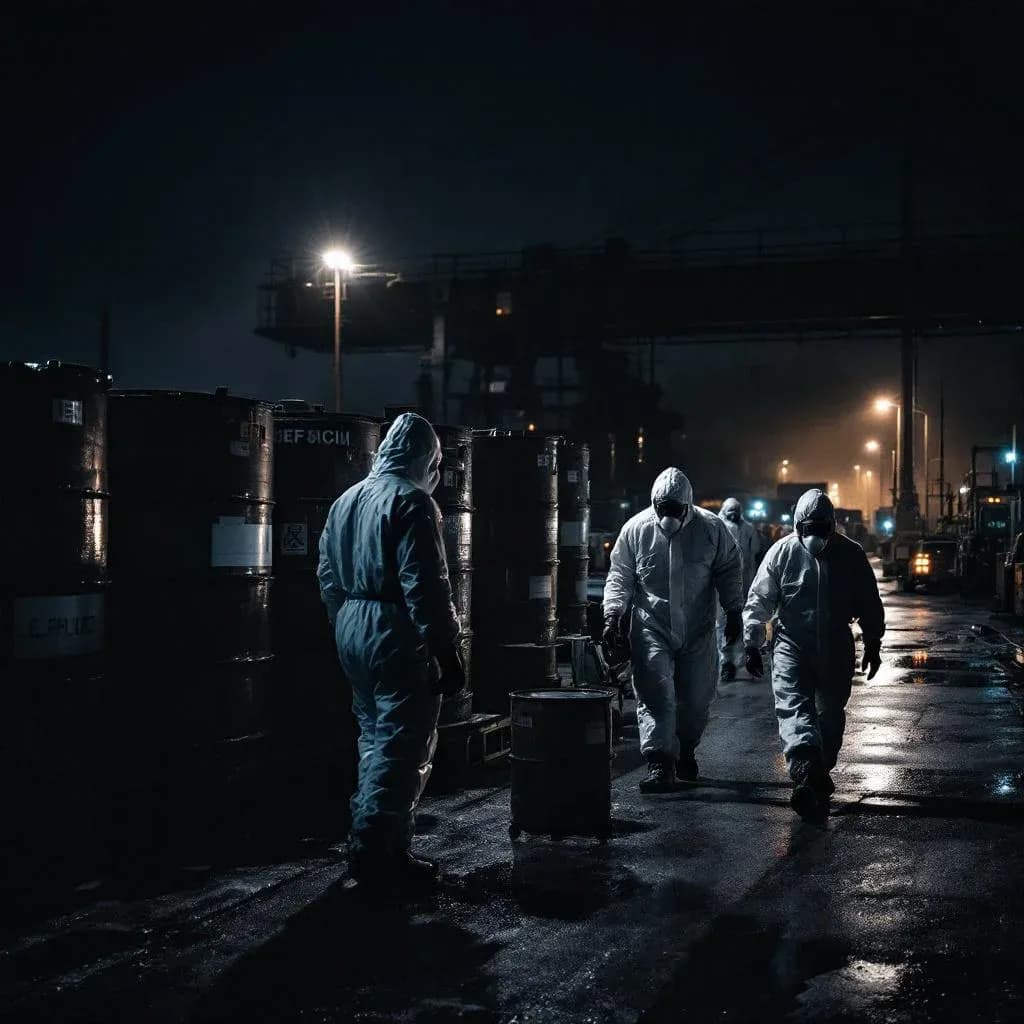
Torsten O.'s choice of method was both practical and diabolical. By dissolving bodies in sulfuric acid in large industrial vats, he destroyed virtually all physical evidence — DNA, fingerprints, and identification markers were obliterated. This approach made it extremely difficult for police to identify victims or establish causes of death.

The murders were often committed through strangulation or blows, after which the victim was placed in the acid-filled containers. The process could take several days, leaving only minimal organic remains. This "dissolution" of evidence is one of the reasons why German serial killers such as Torsten O. could operate for so long.

The Victims

Several of Torsten O.'s victims were marginalized individuals — workers, homeless people, or socially vulnerable individuals. Their disappearances were not always reported immediately, and when they were, police had few concrete leads to follow. Some victims were never identified. It is estimated that he killed at least 10 people, but the actual number could be higher.

Forensic medicine
Sted
Hamburg, Germany

The systematic nature of his crimes — the methodical, almost factory-like approach to "disposing" of victims — reflected a cold psyche devoid of empathy. For Torsten O., it was not passion or rage that drove the murders, but an almost bureaucratic approach to dissolving human beings.

Discovery and Arrest

Torsten O. was first charged and arrested in the 1980s when his activities were discovered through police work and sources in the Hamburg underworld. The investigation was complicated by the fact that so many victims were difficult to identify. DNA technology was still in its infancy, and eyewitness accounts were often unreliable.

German forensic experts and defense chemists worked hard to document his crimes through the few remaining traces — including chemical residues in the vats he had used. Some sources report that he himself gave some tips to police, possibly to show off his "craft."

Trial and Conviction

Torsten O. confessed to several of the murders and was convicted of his crimes. His sentence included imprisonment for each confirmed murder. During the trial, the full gruesome picture of his activities was revealed to the public and media. The case was discussed intensively in Germany and contributed to debates about criminal analysis, the prison system, and how serial killers could avoid detection for so long.

His trial is also known as an important case in German forensic medicine, as it illustrated the limitations of what could be reconstructed from chemical residues.

Death in Prison

Torsten O. died in prison in 1994, before he could fully serve his lengthy sentence. His death marked the end of one of Hamburg's darkest chapters. He left behind unanswered questions, unidentified victims, and a profound uncertainty among Hamburg's citizens about how many people he had actually killed.

Legacy: Influence on German Criminal Investigation

The case of Torsten O. influenced the development of modern criminal investigation in Germany. It demonstrated the need for better methodologies to handle serial murders, improved coordination between police forces, and more advanced forensic science. The case became textbook material in German police schools and legal institutions.

As Germany worked to improve its investigation techniques, the Torsten O. case was cited as an example of what could go wrong when traditional methods failed. His crimes could have been stopped much earlier had the systems been more effective.

Today, the Hamburg Acid Vat Murderer stands as a reminder that even in modern European cities, killers can operate in extensive hiding, especially if they eliminate evidence with industrial efficiency and determination.

Read more

German Crime Story: Gefesselt – Hamburger Säurefassmörder
TV Series

Hamburg murders: Amazon series portrays acid killer

Firebørn dræbt af fremmed mand i schweizisk horrornagt
Post

Swiss Home Invasion: The Rupperswil Murders and Europe's Largest Manhunt

Utah-mor dømt for mord på mand — udgav sorgebog til børn
Post

Utah Mother Convicted of Poisoning Husband with Fentanyl

Related Content
German Crime Story: Gefesselt – Hamburger Säurefassmörder

Hamburg murders: Amazon series portrays acid killer

Firebørn dræbt af fremmed mand i schweizisk horrornagt

Swiss Home Invasion: The Rupperswil Murders and Europe's Largest Manhunt

Utah-mor dømt for mord på mand — udgav sorgebog til børn

Utah Mother Convicted of Poisoning Husband with Fentanyl

Ugens true crime guide uge 19 2026 — journalist desk med mikrofon, headphones og krimidokumentation

No Verified True Crime Events Found for May 4–10, 2026

Advertisement
SS

Susanne Sperling

View all stories →
Share this post:
Sagsmappe

The Hamburg Acid Vat Murderer — Torsten O.

Tysk seriemorder der opløste ofre i syre

Mappe Åbnet: MAY 8, 2026 AT 01:35 AM
Hamburger Säurefassmörder — Torsten O.
BEVIS

Sagsdetaljer

Quick Facts

Klassifikation:

Serial killer
Hamburg
Germany
svovlsyre
Murder
Torsten O.
kriminalhistorie
Forensic medicine
Sted
Hamburg, Germany

Quick Facts

LocationHamburg, Germany

Who Was Torsten O.?

Torsten O. was a German serial killer whose crimes constituted one of West Germany's most gruesome criminal cases. He operated in the industrialized Hamburg over several decades without being stopped, and his modus operandi — dissolving victims' bodies in large containers of sulfuric acid — left almost no traces for police to investigate.

Torsten O. was born in the 1940s and spent most of his life in Hamburg. He worked in industry, which gave him access to the chemicals he needed for his crimes. His ordinary appearance and apparent inconspicuousness made him a classic example of how a serial killer can hide among ordinary people in urban environments.

Method of Operation: Sulfuric Acid as a Murder Weapon

Torsten O.'s choice of method was both practical and diabolical. By dissolving bodies in sulfuric acid in large industrial vats, he destroyed virtually all physical evidence — DNA, fingerprints, and identification markers were obliterated. This approach made it extremely difficult for police to identify victims or establish causes of death.

The murders were often committed through strangulation or blows, after which the victim was placed in the acid-filled containers. The process could take several days, leaving only minimal organic remains. This "dissolution" of evidence is one of the reasons why German serial killers such as Torsten O. could operate for so long.

The Victims

Several of Torsten O.'s victims were marginalized individuals — workers, homeless people, or socially vulnerable individuals. Their disappearances were not always reported immediately, and when they were, police had few concrete leads to follow. Some victims were never identified. It is estimated that he killed at least 10 people, but the actual number could be higher.

The systematic nature of his crimes — the methodical, almost factory-like approach to "disposing" of victims — reflected a cold psyche devoid of empathy. For Torsten O., it was not passion or rage that drove the murders, but an almost bureaucratic approach to dissolving human beings.

Discovery and Arrest

Torsten O. was first charged and arrested in the 1980s when his activities were discovered through police work and sources in the Hamburg underworld. The investigation was complicated by the fact that so many victims were difficult to identify. DNA technology was still in its infancy, and eyewitness accounts were often unreliable.

German forensic experts and defense chemists worked hard to document his crimes through the few remaining traces — including chemical residues in the vats he had used. Some sources report that he himself gave some tips to police, possibly to show off his "craft."

Trial and Conviction

Torsten O. confessed to several of the murders and was convicted of his crimes. His sentence included imprisonment for each confirmed murder. During the trial, the full gruesome picture of his activities was revealed to the public and media. The case was discussed intensively in Germany and contributed to debates about criminal analysis, the prison system, and how serial killers could avoid detection for so long.

His trial is also known as an important case in German forensic medicine, as it illustrated the limitations of what could be reconstructed from chemical residues.

Death in Prison

Torsten O. died in prison in 1994, before he could fully serve his lengthy sentence. His death marked the end of one of Hamburg's darkest chapters. He left behind unanswered questions, unidentified victims, and a profound uncertainty among Hamburg's citizens about how many people he had actually killed.

Legacy: Influence on German Criminal Investigation

The case of Torsten O. influenced the development of modern criminal investigation in Germany. It demonstrated the need for better methodologies to handle serial murders, improved coordination between police forces, and more advanced forensic science. The case became textbook material in German police schools and legal institutions.

As Germany worked to improve its investigation techniques, the Torsten O. case was cited as an example of what could go wrong when traditional methods failed. His crimes could have been stopped much earlier had the systems been more effective.

Today, the Hamburg Acid Vat Murderer stands as a reminder that even in modern European cities, killers can operate in extensive hiding, especially if they eliminate evidence with industrial efficiency and determination.

Read more

German Crime Story: Gefesselt – Hamburger Säurefassmörder
TV Series

Hamburg murders: Amazon series portrays acid killer

Firebørn dræbt af fremmed mand i schweizisk horrornagt
Post

Swiss Home Invasion: The Rupperswil Murders and Europe's Largest Manhunt

Utah-mor dømt for mord på mand — udgav sorgebog til børn
Post

Utah Mother Convicted of Poisoning Husband with Fentanyl

Related Content
German Crime Story: Gefesselt – Hamburger Säurefassmörder

Hamburg murders: Amazon series portrays acid killer

Firebørn dræbt af fremmed mand i schweizisk horrornagt

Swiss Home Invasion: The Rupperswil Murders and Europe's Largest Manhunt

Utah-mor dømt for mord på mand — udgav sorgebog til børn

Utah Mother Convicted of Poisoning Husband with Fentanyl

Ugens true crime guide uge 19 2026 — journalist desk med mikrofon, headphones og krimidokumentation

No Verified True Crime Events Found for May 4–10, 2026

Advertisement
SS

Susanne Sperling

View all stories →
Share this post: