How a construction worker built a hidden dungeon beneath his home and held his daughter captive, evading detection for nearly two and a half decades
In April 2008, Austrian police discovered Elisabeth Fritzl locked in a hidden cellar beneath her father Josef Fritzl's home in Amstetten, Lower Austria, where she had been imprisoned and repeatedly raped for 24 years. Her escape came only after one of her seven children—all fathered by Fritzl himself—fell dangerously ill and was taken to hospital.
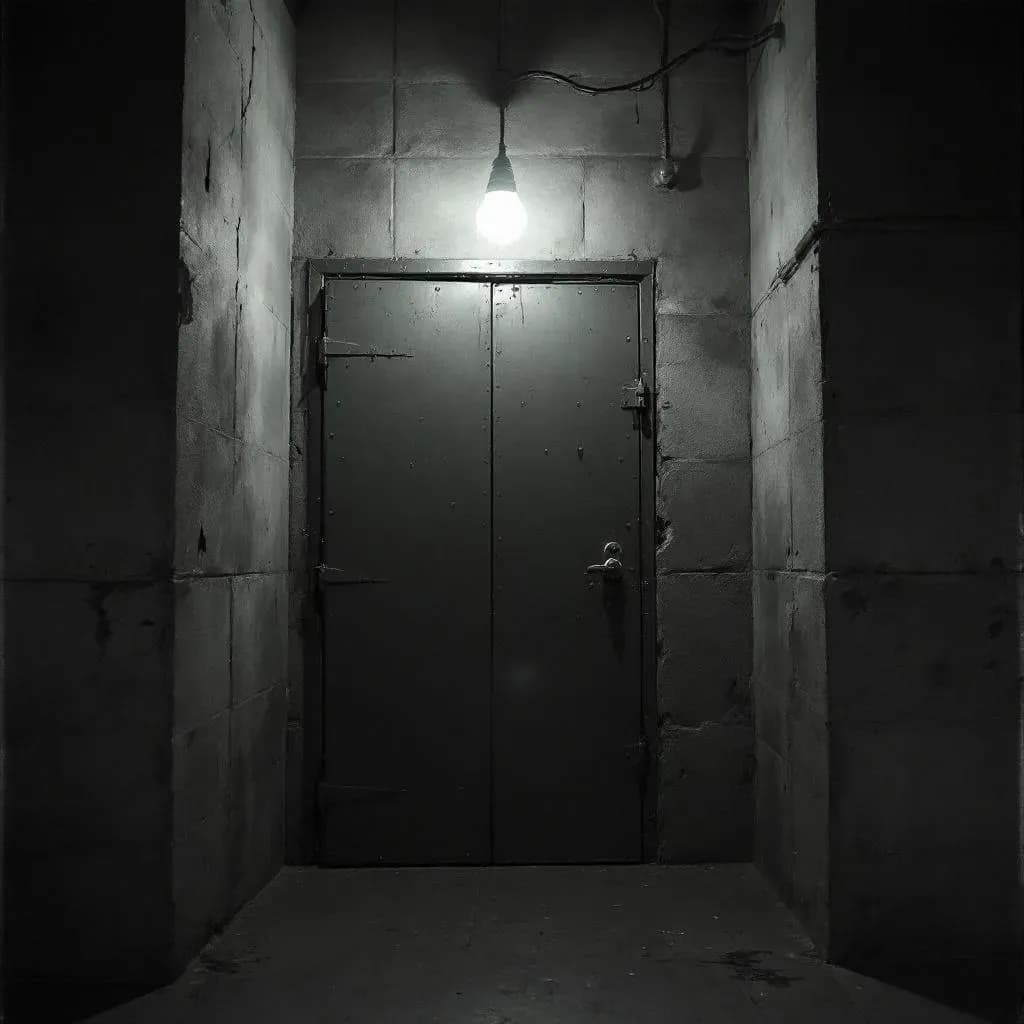
On 28 August 1984, Josef Fritzl, then 49, lured his 18-year-old daughter Elisabeth into the cellar of their home under the pretense of helping install a door. Once inside, he incapacitated her and locked her away from the world. For nearly a quarter-century, she would remain trapped in a cramped, windowless cellar roughly 600 square feet in size—built in secret over several years as Fritzl methodically converted his basement into a prison.
Fritzl had begun planning this horror in 1978, when he applied for permits to expand his basement, officially claiming he needed storage and workspace. By 1981–1982, he started converting the hidden cellar into a confinement chamber, installing a washbasin, toilet, bed, hot plate, and refrigerator. By 1983, he had further expanded the space with a passageway to the pre-existing basement.
To the outside world, Fritzl wove an elaborate lie. He told Elisabeth's family and police that she had run away to join a religious cult. He even forged a letter to reinforce the story. His wife, Rosemarie, and their wider family believed this account for 24 years.
What unfolded in that cellar was one of the most grotesque crimes in modern history. Fritzl entered almost daily—at minimum three times weekly—to bring supplies and commit rape. Elisabeth's captivity produced seven children: three were taken from her and raised by Fritzl and Rosemarie as foster children, approved by social services who never suspected their origins. Three children remained imprisoned in the cellar alongside their mother. One infant died shortly after birth; Fritzl burnt the remains in the house furnace.
The spell was finally broken in 2008, when Kerstin, Elisabeth's eldest daughter, fell seriously ill in the cellar. Fritzl made a calculated decision to take her to hospital—likely believing she would die anyway. Instead, her hospitalization triggered an investigation that unraveled his entire fabrication. After assurances of safety from police, Elisabeth revealed the full scope of her ordeal.