True crime news logo
  • Podcasts Movies & Series Books
  • News
True crime news logo

The international true crime destination. Cases, documentaries, podcasts and travel routes.

© 2026 truecrime.news. All rights reserved.

Powered by Nerdic

    Han leder efter svar i døde kroppe: Manden bag Roujan-sagen

    The Forensic Expert Behind the Roujan Ismaeel Cold Case

    A Danish forensic pathologist reveals the personal cost of solving decades-old murder cases

    Author
    Susanne Sperling
    Published
    April 20, 2026 at 07:05 AM

    Solving a 28-Year-Old Tragedy

    A Danish forensic pathologist helped write the final chapter in one of Denmark's most heartbreaking criminal cases when he identified the murderer of seven-year-old Roujan Ismaeel after nearly three decades. The murder of the little girl in 1997 shocked Denmark, and the case remained unsolved for 28 years until modern DNA technology and dedicated forensic work finally provided answers.

    The forensic pathologist, who works to find answers in dead bodies, has specialized in precisely those cases where time has run out for the bereaved families. His work with cold cases requires not only technical expertise but also mental resilience that is constantly challenged.

    The Price of Working the Worst Cases

    "Cases with small children are the worst," says the forensic pathologist, who has had to pay a personal price for his work. Every single detail, every piece of evidence, and every autopsy report leaves traces in the consciousness of those who work to bring clarity to crimes against the most vulnerable.

    Work with DNA analysis has revolutionized the possibilities for solving old cases, but it also requires forensic pathologists like him to dive into details that can be difficult to leave behind when the workday ends. The mental burden of handling material from child murders is particularly heavy.

    How Cold Cases Are Solved Today

    Modern forensic medicine has given investigators tools that did not exist in 1997. Through advanced DNA technology, biological traces that have lain hidden for decades can suddenly provide answers. In the Roujan case, it was precisely the combination of old evidence and new analysis methods that led to the breakthrough.

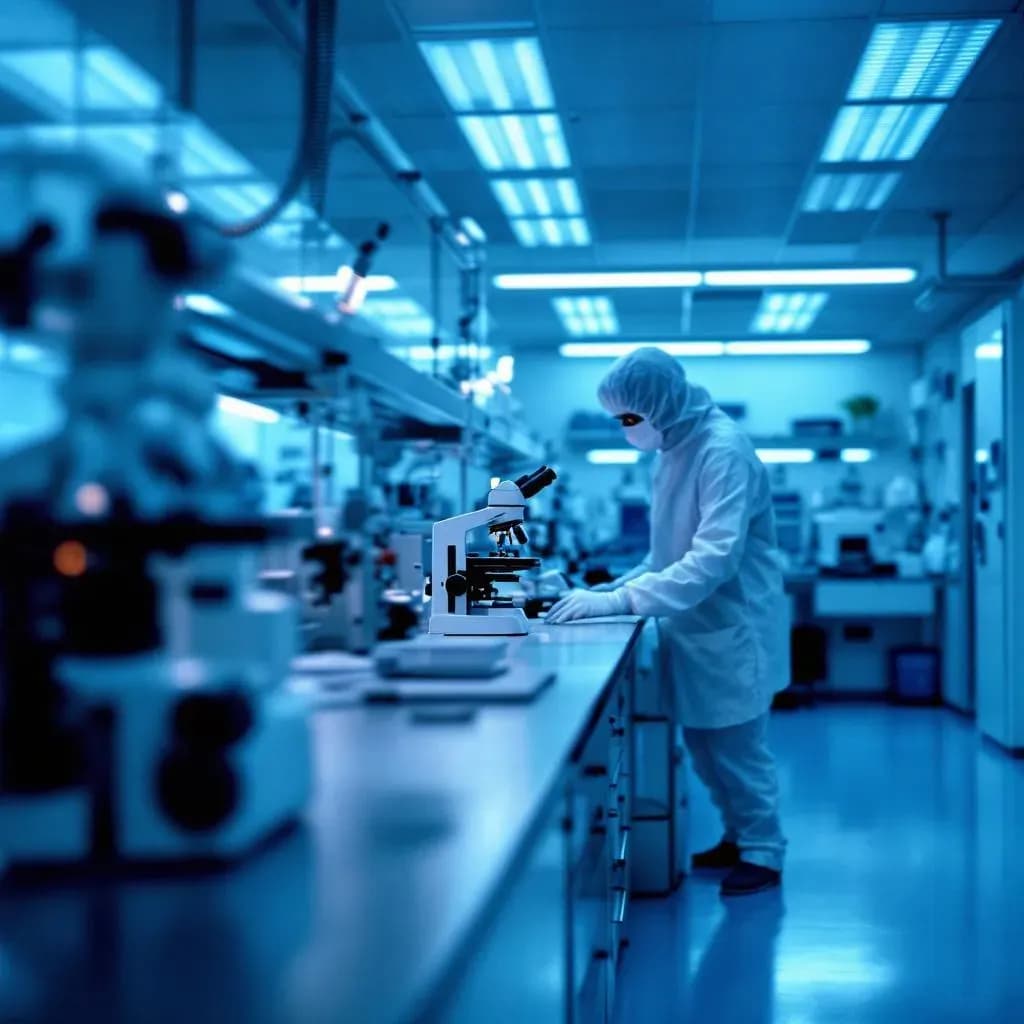
    The work requires patience and a methodical approach. Forensic pathologists systematically review all available material, reanalyze findings with modern equipment, and cross-check results against new databases. It is time-consuming work, but when it succeeds, families finally get the answers they have waited years for.

    The Human Behind the Analysis

    Behind the technical analyses and scientific reports are people who confront death and humanity's darkest sides every day. For the forensic pathologist behind the Roujan case, the motivation is clear: to give bereaved families closure and ensure that even the oldest crimes are not forgotten.

    His work illustrates an important point in criminal investigation of serious crime: it is not only police efforts that bring cases to a close. It is a collaboration between investigators, technical experts, and forensic pathologists that often only produces results after years of work.

    The Legacy and the Road Ahead

    The identification of Roujan Ismaeel's murderer does not mark the end of work on old, unsolved cases. There are hundreds of cold cases throughout Denmark where bereaved families still wait for answers. Forensic pathologists like him continue working, day after day, to find the truth in dead bodies and old evidence.

    The case of Roujan Ismaeel stands as testimony that even the most seemingly hopeless cases can reach a conclusion. But it also tells the story of the people who pay a personal price to ensure that justice - however delayed - finds its way.

    Quick Facts

    VerifiedUnverified
    VictimRoujan Ismaeel, 7 years old
    Date of murder1997
    Show more details
    Time to resolution28 years
    MethodDNA analysis and forensic identification
    Crime locationDenmark
    StatusPerpetrator identified posthumously
    Related Content
    Roujan Ismaeel

    Roujan Ismaeel

    Dommer afviser løsladelse af Marius Borg Høiby

    Judge Denies Release of Marius Borg Høiby

    Hvidvaskeren 'Pinky' afslørede alt: 122 millioner kroner

    Money Launderer 'Pinky' Reveals All: $17 Million Scheme

    Mand idømt syv års fængsel for rekruttering af hvide bude

    Man Jailed Seven Years for Recruiting Drug Mules from Prison

    Advertisement

    Susanne Sperling

    Admin

    Share this post:
    Han leder efter svar i døde kroppe: Manden bag Roujan-sagen

    The Forensic Expert Behind the Roujan Ismaeel Cold Case

    A Danish forensic pathologist reveals the personal cost of solving decades-old murder cases

    Author
    Susanne Sperling
    Published
    April 20, 2026 at 07:05 AM

    Solving a 28-Year-Old Tragedy

    A Danish forensic pathologist helped write the final chapter in one of Denmark's most heartbreaking criminal cases when he identified the murderer of seven-year-old Roujan Ismaeel after nearly three decades. The murder of the little girl in 1997 shocked Denmark, and the case remained unsolved for 28 years until modern DNA technology and dedicated forensic work finally provided answers.

    The forensic pathologist, who works to find answers in dead bodies, has specialized in precisely those cases where time has run out for the bereaved families. His work with cold cases requires not only technical expertise but also mental resilience that is constantly challenged.

    The Price of Working the Worst Cases

    "Cases with small children are the worst," says the forensic pathologist, who has had to pay a personal price for his work. Every single detail, every piece of evidence, and every autopsy report leaves traces in the consciousness of those who work to bring clarity to crimes against the most vulnerable.

    Work with DNA analysis has revolutionized the possibilities for solving old cases, but it also requires forensic pathologists like him to dive into details that can be difficult to leave behind when the workday ends. The mental burden of handling material from child murders is particularly heavy.

    How Cold Cases Are Solved Today

    Modern forensic medicine has given investigators tools that did not exist in 1997. Through advanced DNA technology, biological traces that have lain hidden for decades can suddenly provide answers. In the Roujan case, it was precisely the combination of old evidence and new analysis methods that led to the breakthrough.

    The work requires patience and a methodical approach. Forensic pathologists systematically review all available material, reanalyze findings with modern equipment, and cross-check results against new databases. It is time-consuming work, but when it succeeds, families finally get the answers they have waited years for.

    The Human Behind the Analysis

    Behind the technical analyses and scientific reports are people who confront death and humanity's darkest sides every day. For the forensic pathologist behind the Roujan case, the motivation is clear: to give bereaved families closure and ensure that even the oldest crimes are not forgotten.

    His work illustrates an important point in criminal investigation of serious crime: it is not only police efforts that bring cases to a close. It is a collaboration between investigators, technical experts, and forensic pathologists that often only produces results after years of work.

    The Legacy and the Road Ahead

    The identification of Roujan Ismaeel's murderer does not mark the end of work on old, unsolved cases. There are hundreds of cold cases throughout Denmark where bereaved families still wait for answers. Forensic pathologists like him continue working, day after day, to find the truth in dead bodies and old evidence.

    The case of Roujan Ismaeel stands as testimony that even the most seemingly hopeless cases can reach a conclusion. But it also tells the story of the people who pay a personal price to ensure that justice - however delayed - finds its way.

    Quick Facts

    VerifiedUnverified
    VictimRoujan Ismaeel, 7 years old
    Date of murder1997
    Show more details
    Time to resolution28 years
    MethodDNA analysis and forensic identification
    Crime locationDenmark
    StatusPerpetrator identified posthumously
    Related Content
    Roujan Ismaeel

    Roujan Ismaeel

    Dommer afviser løsladelse af Marius Borg Høiby

    Judge Denies Release of Marius Borg Høiby

    Hvidvaskeren 'Pinky' afslørede alt: 122 millioner kroner

    Money Launderer 'Pinky' Reveals All: $17 Million Scheme

    Mand idømt syv års fængsel for rekruttering af hvide bude

    Man Jailed Seven Years for Recruiting Drug Mules from Prison

    Advertisement

    Susanne Sperling

    Admin

    Share this post: