What is the episode about?
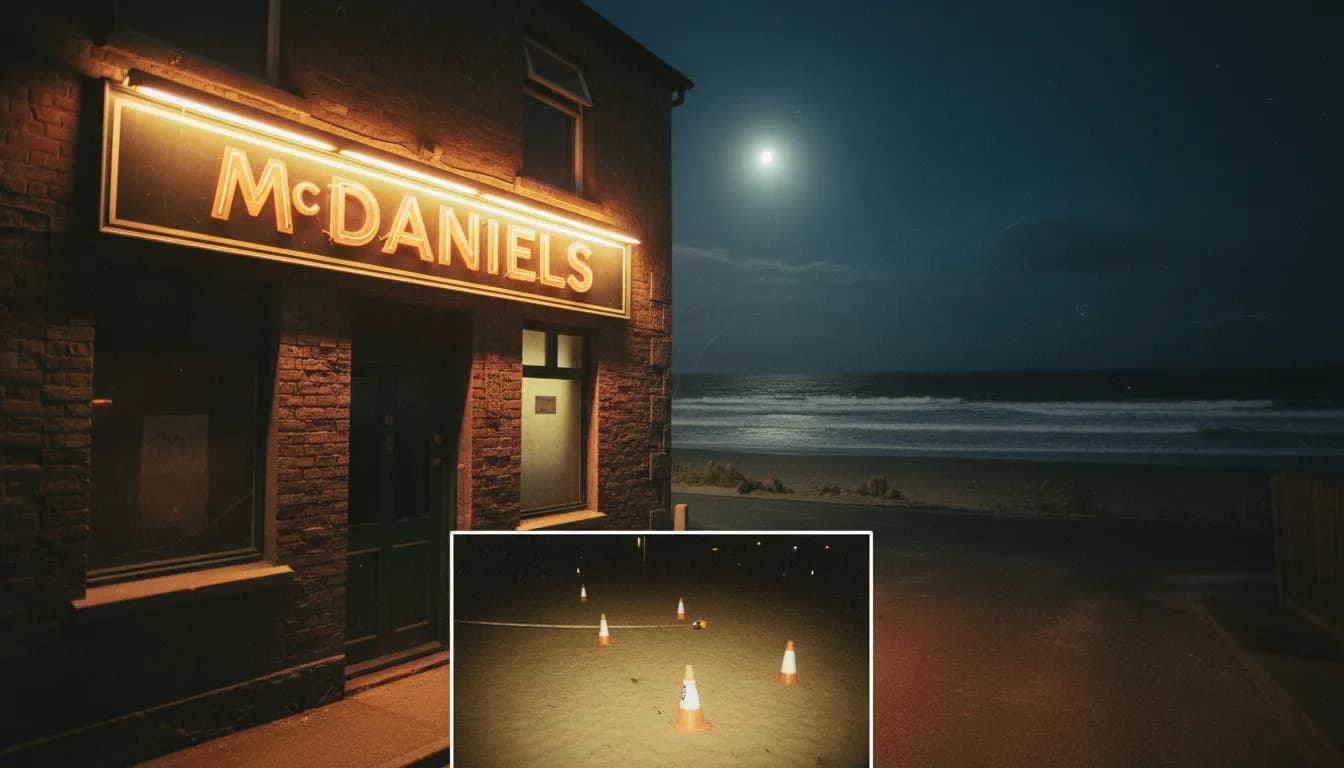
Elizabeth Plunkett disappeared without a trace on August 28, 1976, during a summer outing to Brittas Bay in County Wicklow, marking the beginning of one of the darkest chapters in Irish criminal history. In this first episode of the podcast Stolen Sister host Roz Purcell reconstructs the events leading up to the disappearance from McDaniel’s pub around 10:30 PM. The 23-year-old woman from Dublin fell victim to British men John Shaw and Geoffrey Evans, who are now known as Ireland's first recorded serial killers. The episode focuses on giving Elizabeth a voice and shedding light on the human costs of a case that has been marred by legal ambiguities and the family's tireless search for answers for decades.
The case behind the episode
The case of Elizabeth Plunkett is inextricably linked to the reign of terror by John Shaw and Geoffrey Evans in Ireland in the mid-1970s. After being released from prison in England, the duo traveled to Ireland, where they began a series of brutal assaults. Although both men later confessed to the murder of Elizabeth Plunkett and led police to her body in a forest in Wicklow, they were never formally convicted of this particular murder. Instead, they received life sentences for the murder of Mary Duffy in Mayo, which occurred shortly after. The documentary reveals how a parole application from John Shaw in 2023 brought the case back into the public eye and exposed shocking gaps in the Irish legal system, including the fact that no one has ever been convicted for Elizabeth's death despite their confessions. This has led to renewed calls for a cold case investigation into John Shaw and Geoffrey Evans' actions.
About the podcast
Stolen Sister is a production from RTÉ Documentary On One that delves into the legal and ethical issues surrounding the case over six episodes. Host Roz Purcell takes the listener on a personal journey, interviewing family members and investigators to understand why justice for Elizabeth Plunkett seemingly eluded her. The podcast marks an important contribution to Irish true crime by combining historical archival material with contemporary critiques of the prison system and parole processes for the country's longest-serving prisoners.