# Salem Witch Trials Walking Tours Mark the Ground Where Twenty People Died
In 1692, colonial authorities in Salem, Massachusetts executed twenty people — fourteen women and six men — by hanging or pressing, following accusations of witchcraft that spiralled across Essex and Middlesex counties into one of early America's most documented mass injustices. Today, two confirmed walking tours operated through Viator bring visitors face to face with the surviving landmarks of that deadly hysteria.
What Happened Here
The trials were not confined to the city visitors know today. Salem Village — now the separate town of Danvers — was the epicentre of the original accusations, but the legal machinery of condemnation and execution spread through the wider county region. Twenty accused were killed. Giles Corey, an elderly farmer who refused to enter a plea, was pressed to death beneath heavy stones over two days. Fourteen women and five other men were hanged. A 2016 archaeological investigation confirmed Proctor's Ledge, within modern Salem, as the likely execution site — a finding backed by physical evidence including human remains consistent with the historical record.
The hysteria left behind a small number of physical survivors: buildings, burial grounds, and memorials that still stand.
Tour One: Salem Uncovered — The 1692 Salem and Witchcraft Tour
This 90-minute walking tour carries a 4.5 out of 5 rating on Viator and is recommended by 92 percent of reviewers, earning the platform's Badge of Excellence. It starts at 1 Houdini Way, next to 15 Front St, and is led by professional storytellers rather than generic guides.
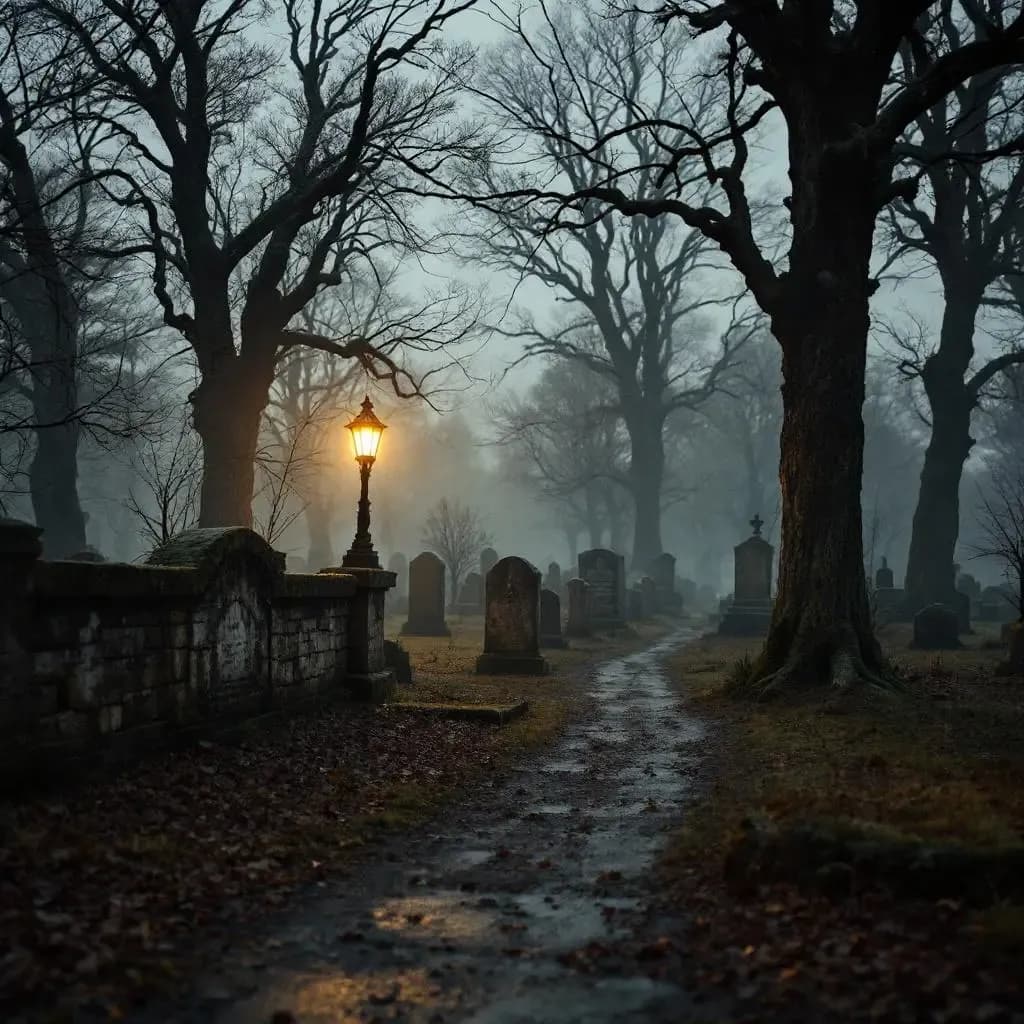
The tour concludes at the Salem Witch Trials Memorial at 24 Liberty St — a site dedicated in 1992, three hundred years after the executions, to honour all twenty victims. The memorial sits directly beside the Charter Street Burying Point, Salem's oldest cemetery, where Judge John Hathorne — one of the presiding magistrates who examined the accused — is buried alongside Ann Putnam Sr., one of the principal accusers. Standing at both sites simultaneously collapses the distance between perpetrator, victim, and consequence in a way no museum exhibit replicates.
Tickets start from $30. Mobile tickets are accepted and free cancellation is available. Book via the Viator Salem walking tours page.
Tour Two: Best Salem Witch Trials Historical Walking Tour
The second confirmed tour holds a 4.0–4.1 rating across more than 756 reviews on Viator and is flagged as "Likely to Sell Out" during peak season. It departs from 8 Central St, identifiable by a purple sign, and runs three times daily at 10am, 1pm, and 4pm. Arrive at least fifteen minutes early. The tour is not wheelchair accessible.
This route includes the Witch House — formally the Corwin House — the only structure in Salem with a direct, documented connection to the 1692 trials. Judge Jonathan Corwin, who used the building as his residence, participated in the examination of multiple accused individuals, including Giles Corey before his death by pressing. The house has survived intact and remains one of the rarest material links to the trial proceedings. The tour also moves through the downtown Salem area around Essex and Central Streets, close to locations associated with the Putnam family, whose accusations drove much of the original frenzy.
Tickets are priced at $30, with some listings showing discounted rates. Free cancellation is available. The tour is conducted in English.
Practical Information
Both tours run approximately 90 minutes. Salem is accessible by commuter rail from Boston's North Station on the Newburyport/Rockport Line, making it a practical day trip from the city. Salem's permanent population today exceeds 45,000, and the downtown area is compact and walkable.
For visitors who want to extend their time independently, the Salem Witch Museum and the Salem Heritage Trail both offer self-guided options covering additional sites, including Gallows Hill and Proctor's Ledge itself, neither of which is confirmed as a stop on the two Viator tours above.
To browse the full range of current Salem walking tour options — including Witch City Walking Tours, which operates approximately two-hour routes and holds a top-rated status — visit the Viator Salem walking tours page directly for up-to-date schedules and availability.
Why It Still Matters
The Salem trials are not folklore. They are a documented legal process in which real courts issued real death warrants. The memorial, the judge's house, and the confirmed execution site at Proctor's Ledge are not reconstructions — they are the original ground. Walking tours that treat these locations as crime scenes rather than costume history offer something measurably different: accountability to the dead, and clarity about how institutional power can be turned against the innocent.