The world of true crime has increasingly turned its lens toward financial fraud and elaborate scams—cases that prove deception can be just as captivating as traditional violent crime. Two documentaries stand out for their unflinching examination of how trusted individuals systematically betrayed those around them.
**The $18 Million Bank Fraud: Stephen Versalko's Decade-Long Scheme**
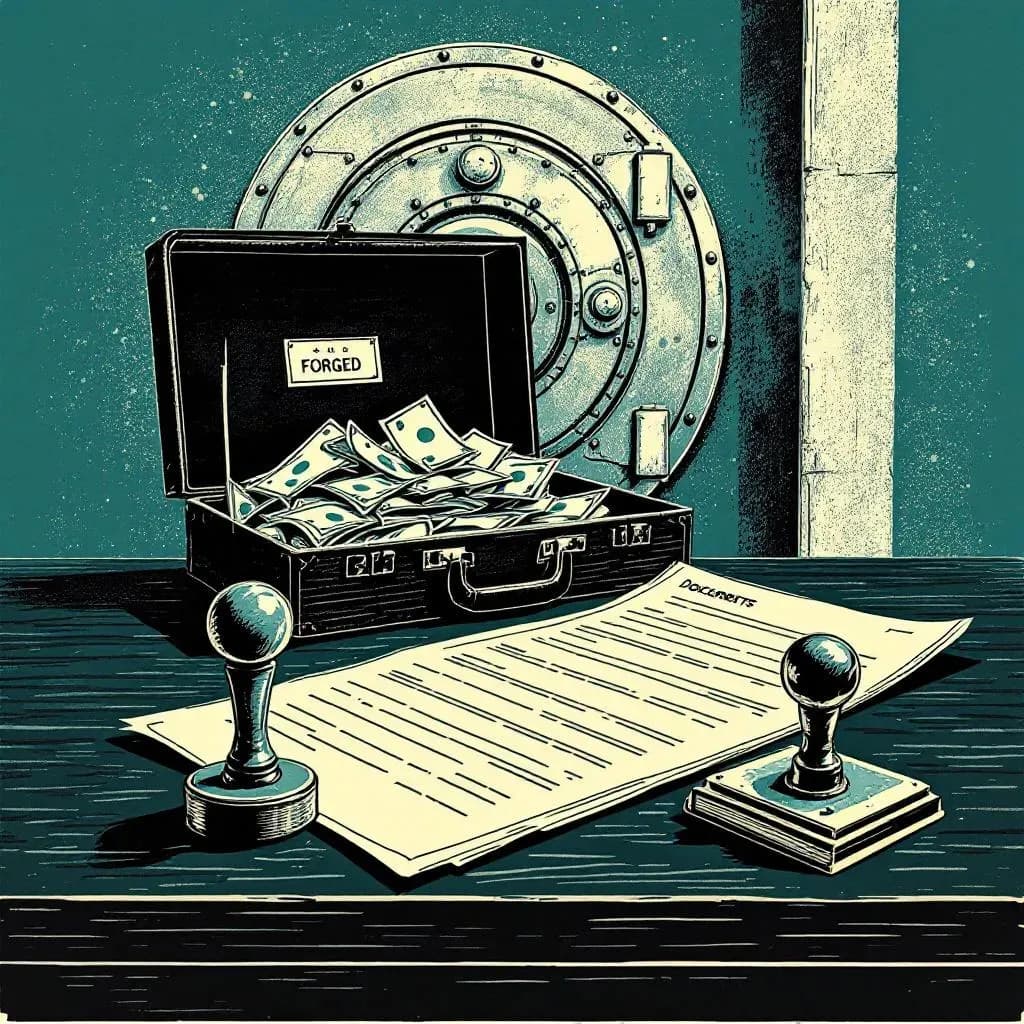
Stephen Versalko holds the dubious distinction of being described as New Zealand's biggest ever single employee fraudster. Over nearly a decade, Versalko orchestrated an audacious scheme that defrauded both his employer—a high-profile New Zealand bank—and his own clients through an entirely fictitious investment program.
The mechanics of Versalko's fraud were deceptively simple yet effective. He promised clients an extraordinary 50 percent return on their investments within just one week. A $1,000 investment, he assured them, would yield a $1,500 payout. This seemingly impossible promise, combined with Versalko's position of trust within the banking sector, proved persuasive enough to attract substantial sums from unsuspecting investors.
Over the course of his criminal enterprise, Versalko managed to defraud his victims of approximately $18 million—a staggering amount that speaks to both the scale of his operation and the number of people he deceived. The documentary "The $18 Million Bank Fraud (True Crime Documentary) | Real Stories" examines how a single employee managed to perpetrate fraud at such an extraordinary level, exploring the systemic failures that allowed the scheme to continue unchecked for so long.
**Scamanda: When a Mommy Blogger's Cancer Story Went Viral**
While Versalko's fraud operated largely behind the scenes of the banking world, Amanda Riley's deception unfolded in the glaring light of social media. Riley, presented to the world as a devoted wife, loving mother, and devout Christian, built a significant online following as a mommy blogger. Her story seemed genuinely inspiring: a woman bravely battling blood cancer while maintaining her family and faith.
Riley's viral narrative—shared across platforms under the hashtag #TeamAmanda—generated widespread emotional support and, crucially, financial donations from thousands of internet users invested in her recovery journey. The story resonated because it appeared authentic: a real person facing a real medical crisis, supported by a loving online community.
What her followers didn't know was that the entire cancer diagnosis was fabricated. Riley had manufactured an elaborate false narrative, transforming herself into a sympathetic figure worthy of donations and support. The Hulu true crime series "Scamanda," produced by ABC News Studios and based on a popular podcast, unravels how a digital-age con artist manipulated public emotion for personal gain.
The documentary explores the mechanics of Riley's deception: how she maintained the lie across multiple platforms, how the online community became unwitting participants in her scheme, and ultimately, how the truth emerged.
**What These Documentaries Reveal**
These two cases illustrate a broader truth about modern fraud: deception doesn't require violence or drama in the traditional crime narrative sense. Instead, perpetrators like Versalko and Riley exploited trust, authority, and emotion to extract money and support from their victims. In Versalko's case, his position within a financial institution granted him the credibility necessary to operate his scheme. In Riley's case, the digital age provided unlimited access to an audience hungry for inspirational stories.
Both documentaries serve as cautionary tales about verification, due diligence, and the dangers of blind trust—whether in banking professionals or viral internet personalities.
**Sources**
https://www.youtube.com/watch?v=iwB7MkdA8EA
https://www.hulu.com/guides/true-crime-documentaries