Trainwreck: Woodstock '99 on Netflix: The story behind the festival riots in Rome
Documentary series about the music festival in 1999 that escalated into violence, assaults, and massive destruction
Quick Facts
What is the series about?
Trainwreck: Woodstock '99 on Netflix is a documentary series that examines the three fateful days in July 1999, when a celebration of peace and music transformed into a nightmare of violence and destruction. The series specifically focuses on the organizational failures and the toxic atmosphere that arose at Griffiss Air Force Base in Rome, New York. Through previously unseen footage and interviews with attendees, staff, and organizers, including Michael Lang, the series highlights how a lack of water, extreme heat, and greed became catalysts for crime.
The real case
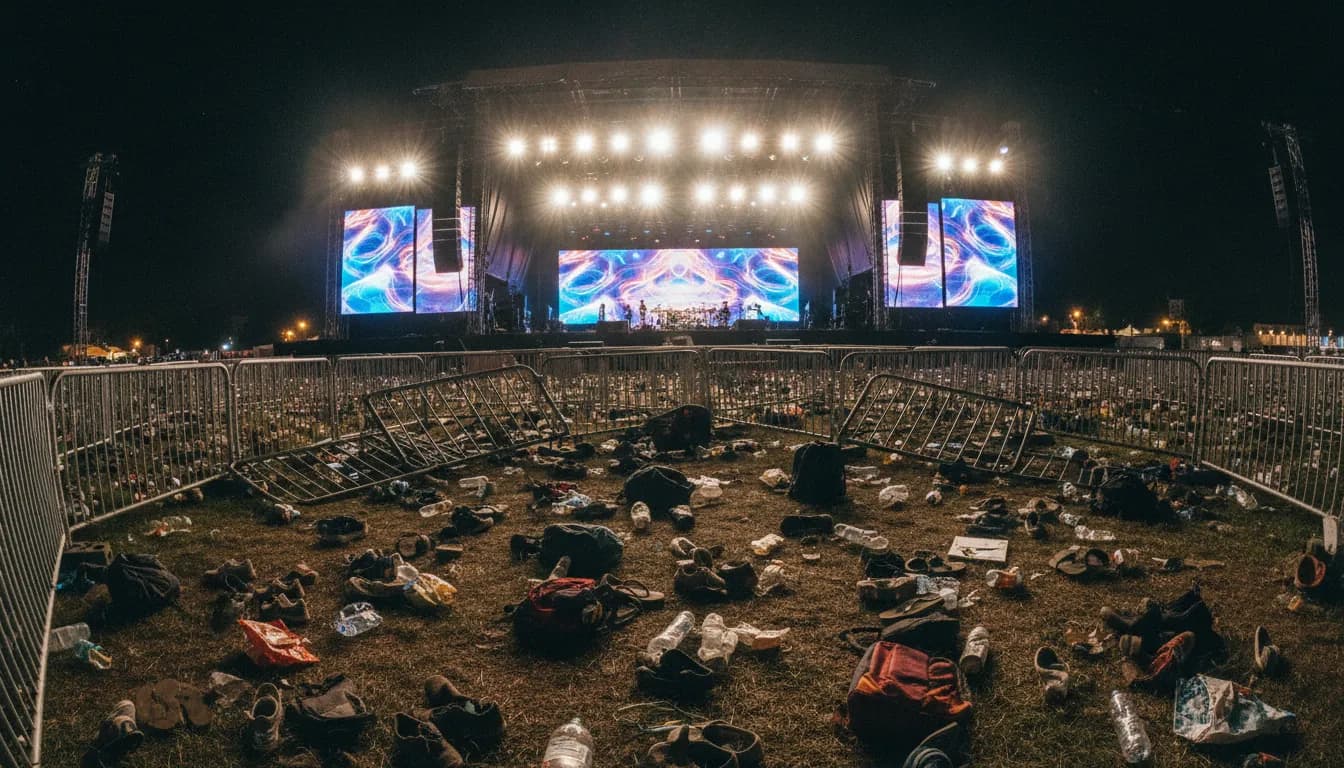
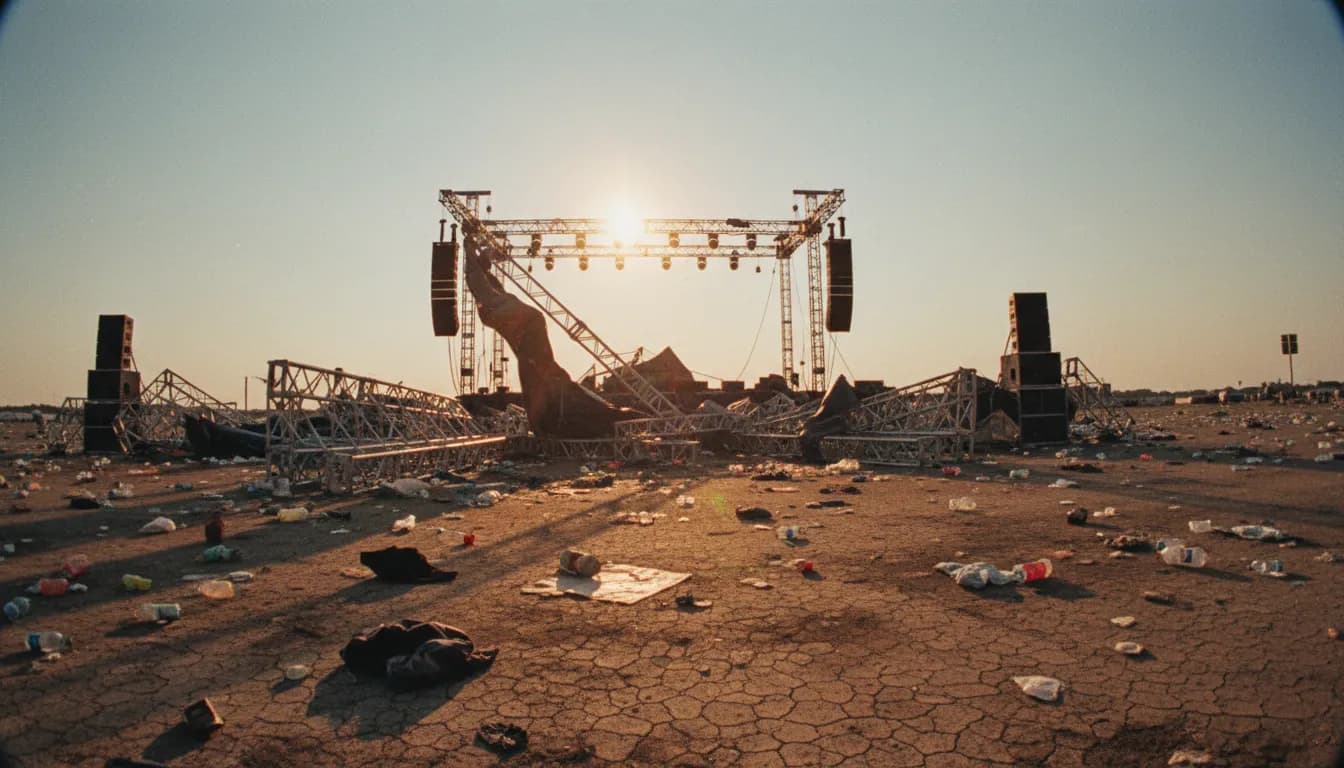
The real case of Woodstock '99 is one of the most notorious events in American festival history. What was supposed to be a 30th anniversary celebration of the original Woodstock festival from 1969 ended in systematic law violations. During the festival, numerous incidents of sexual assault and rape were reported, which later led to widespread criticism of the security level. When the band Limp Bizkit took the stage on the second day, the situation escalated, and the audience began to tear down parts of the infrastructure. The final night culminated in anarchy, with large bonfires ignited on the grounds, and booths were looted and burned to the ground. The New York police had to deploy large forces to restore order, and the aftermath included several civil lawsuits against the organizers.
Timeline of the case
The events at Woodstock '99 unfolded over 72 hours. On July 22, 1999, over 200,000 people arrived at a paved airbase with no shade, where the prices of water quickly rose to unreasonable levels. On July 24, violence escalated during the heavy rock performances, and the medical response was overwhelmed by dehydrated and injured attendees. On July 25, peace candles distributed by the organizers were used to ignite fires, marking the definitive point of the festival's collapse. The subsequent investigation revealed a total lack of sanitary conditions and a security force that was both understaffed and inexperienced.