A Call from the Depths
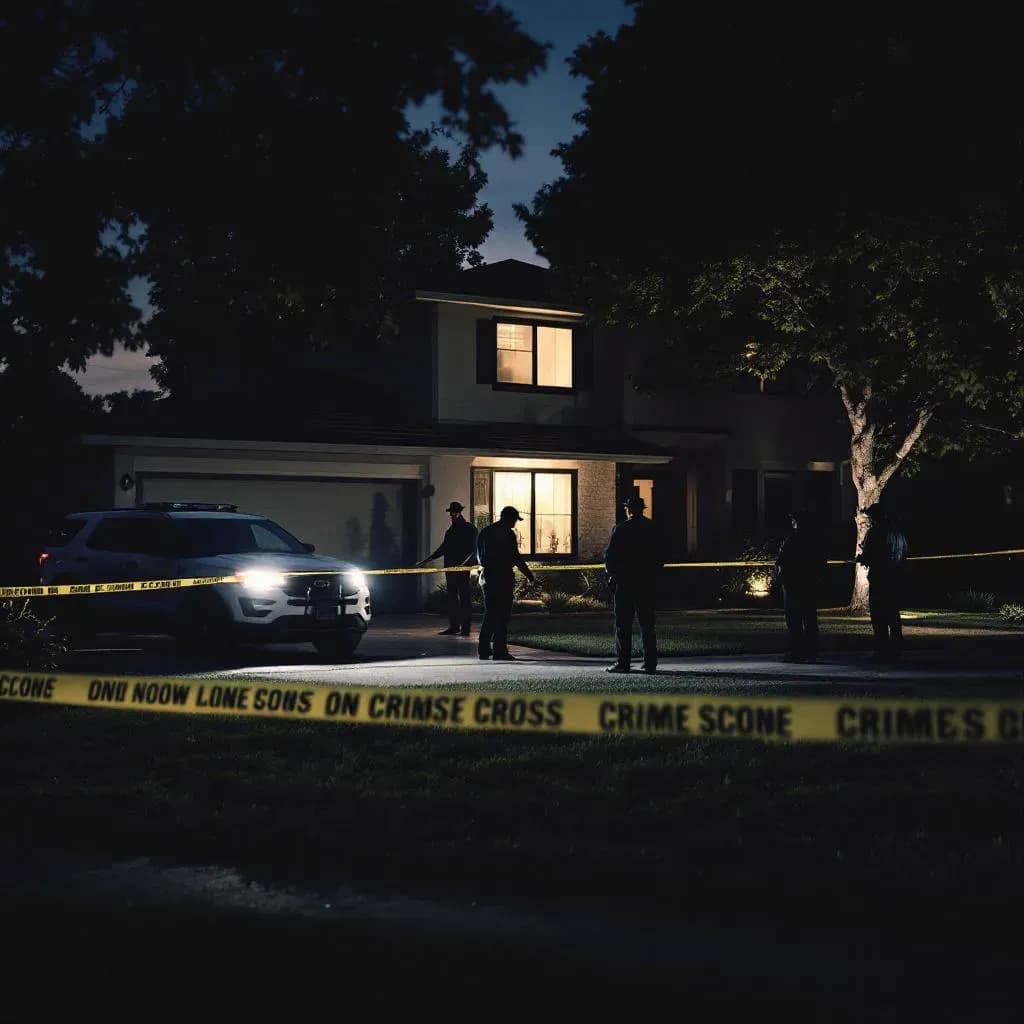
It begins with a voice trembling with panic, a tear in the night over Durham, North Carolina. Michael Peterson's emergency call on December 9, 2001, is the sound of a world shattering. His wife, Kathleen, lies dying at the bottom of the main staircase in their palatial home. When police and paramedics arrive, they meet not merely an accident, but a scene so grotesquely bloody that it defies the logic of a simple fall. The blood is not merely on the floor; it is sprayed up the walls, a macabre abstract art that immediately sows seeds of doubt among authorities. Was it gravity or a brutal husband that led Kathleen to her death?
The documentary series "The Staircase" (originally "Soupçons" by French director Jean-Xavier de Lestrade) is not merely a recording of that single night. It is a journey into the winding depths of the American justice system. Where other documentaries often focus on case closure, this series dwells on the process. The camera functions as a silent witness, capturing with surgical precision the dust motes in the sunlight and the nervous twitches in the faces of those involved as years pass and truth fades into fog.
A Fly on the Wall in the Defense's War Room
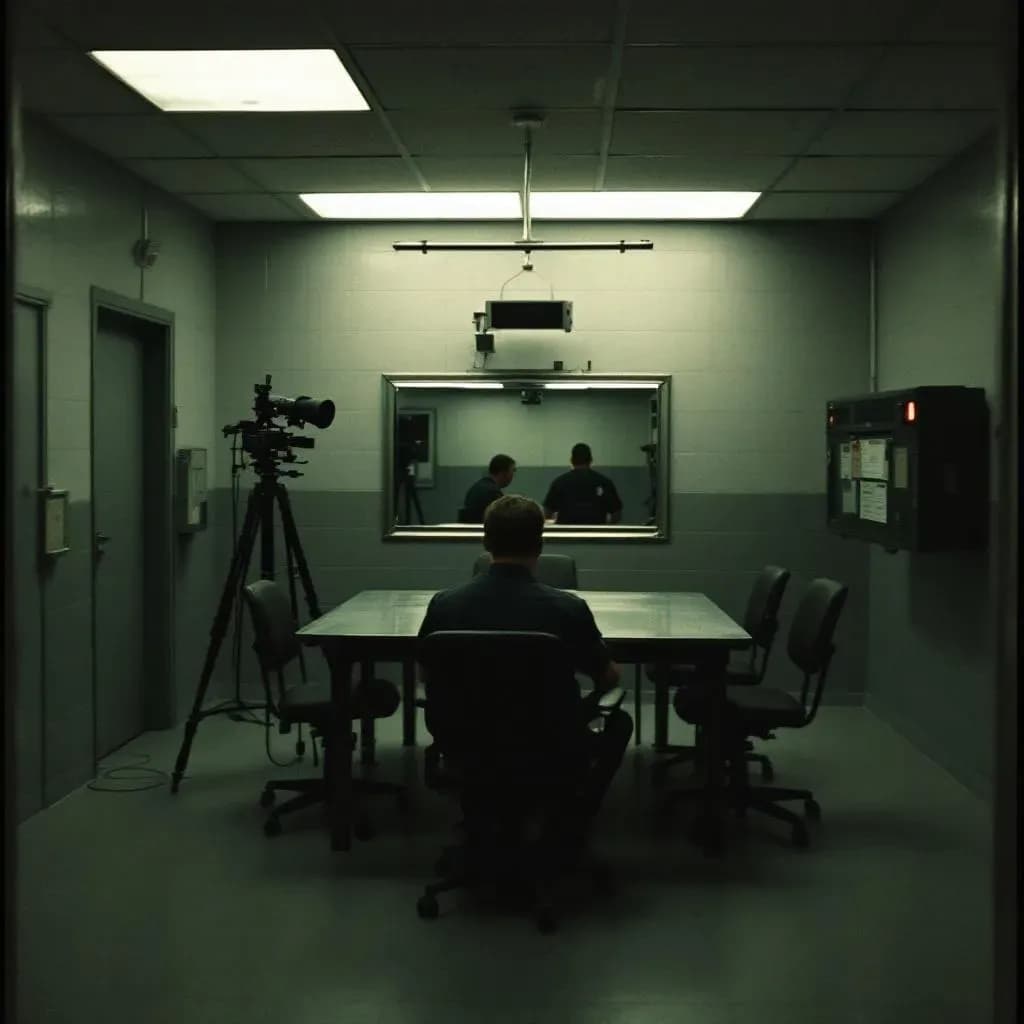
What sets "The Staircase" apart from the glut of hastily produced crime series is the unrestricted access that de Lestrade and his team obtained. We are invited inside the war room of defense attorney David Rudolf. Here is no glamorous Hollywood portrayal of the law, but rather an exhausting, strategic chess game where every pawn counts. We witness Rudolf's frustration, his brilliance, and his realization that truth in a courtroom is a construction to be sold to a jury, rather than an absolute reality.
The series manages to portray Michael Peterson's family not as extras, but as complex people trapped in a tragedy that refuses to release its grip. Peterson's children, who support him blindly, and Kathleen's family, who slowly turn against him, create an emotional resonance that tears at the heart. It is here that the series rises above sensationalism. It shows us that a murder—or an accident—does not end when the ambulance drives away. It is a swell that washes in over generations and leaves nothing untouched.
Between Manipulation and Judicial Murder
Central to the narrative stands the enigma of Michael Peterson. Author, war veteran, eccentric, and bisexual. The prosecution ruthlessly uses his sexuality and his fictional writings as evidence of a "hidden agenda" and inherent dishonesty. "The Staircase" forces the viewer to confront their own prejudices. Do we see a cold-blooded murderer playing the role of grieving widower to perfection, or do we see a victim of a narrow-minded justice system that judges based on lifestyle rather than evidence?
The documentary makes no secret of the technical shortcomings in the police investigation—the missing murder weapon (the infamous "blow poke"), the blood spatter analyses that resemble guesswork, and a prosecutor painting with a broad brush. But simultaneously one is captivated by Peterson's sometimes theatrical behavior. There are moments when the camera lens captures a glance or a remark that sends a chill down your spine. It is this ambivalence that makes the series so devilishly addictive. No easy answers are served, only more questions.
The Endless Aftermath and the Power of Editing
As years pass and new episodes are added (the series covers a period of over 15 years), the narrative changes character. We are introduced to the bizarre "Owl Theory"—the idea that an owl attacked Kathleen—and we see how new technology and corruption in laboratories can overturn old verdicts. It ends in a legal gray zone with an "Alford plea," where guilt is acknowledged without admitting the act, an anticlimax that feels both empty and realistic.
But "The Staircase" is not without its critics. It has emerged that the film's editor, Sophie Brunet, had a romantic relationship with Michael Peterson during production. This casts an inevitable shadow over objectivity. Have we been manipulated by editing that favored the defense? Perhaps. But this very discussion only makes the work more relevant. It reminds us that no narrator is neutral, and that true crime is always an interpretation of reality, never reality itself. Regardless of sympathy or guilt, "The Staircase" stands as a monumental work about human nature and the fallibility of justice.
Watch 'The Staircase' on Netflix and follow KrimiNyt for more in-depth and revealing true crime analyses.