1982 Cold Case Solved With DNA From Discarded Cigarette
44-year-old murder case cracked using modern forensic technology
DNA Breakthrough After 44 Years
A teenager was brutally attacked and killed in 1982, and the case has plagued investigators for more than four decades. But thanks to modern DNA technology and a discarded cigarette, the perpetrator has now been identified.
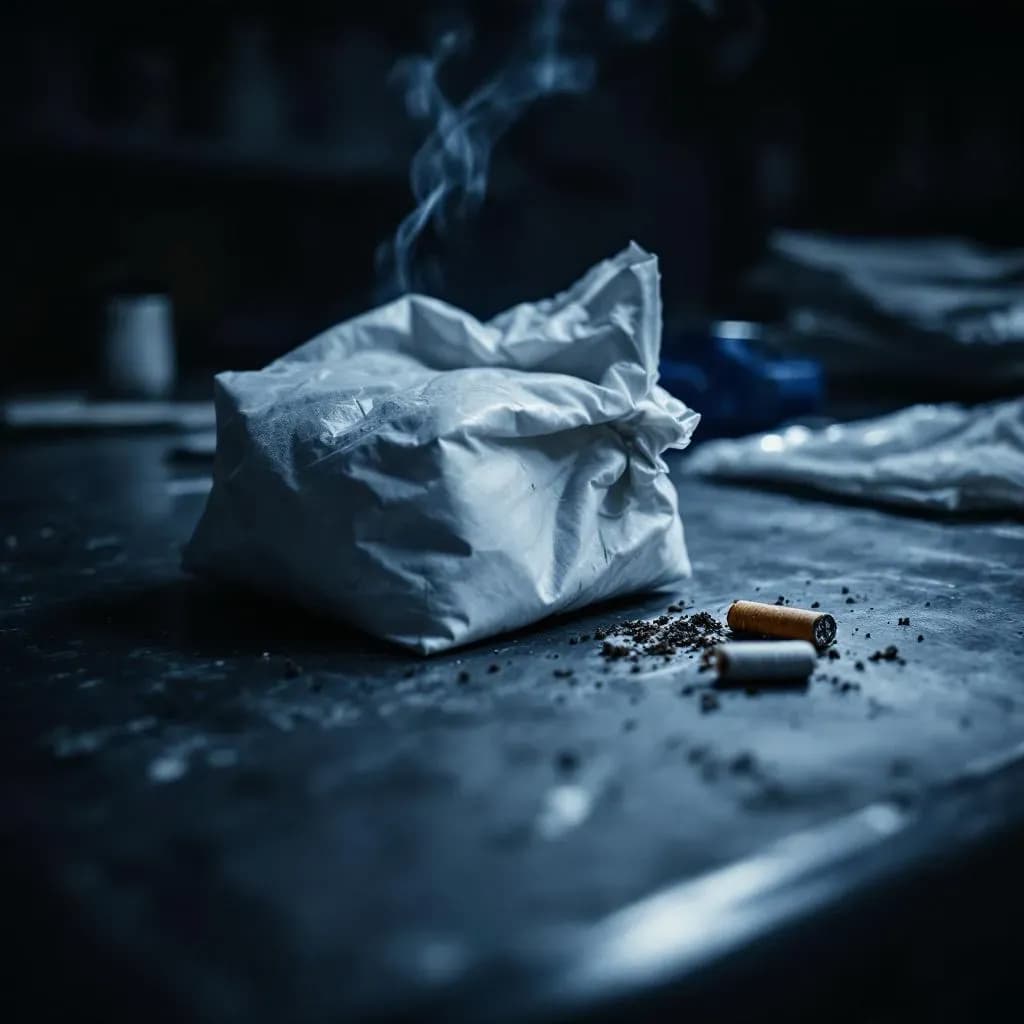
The cigarette, which was found at the crime scene in 1982, was preserved as evidence at the time, but the technology was not sufficiently advanced to analyze the biological traces. When the cold case unit reopened the case in 2025, the cigarette was sent for renewed analysis using today's far more precise DNA methods.
The result was a match in the DNA database, which led police directly to the perpetrator. The case demonstrates how old evidence can gain new life through technological development.
Reopening Old Cases
This case is far from unique. Police cold case units around the world routinely reopen unsolved cases when new technology makes it possible to analyze old evidence in new ways.
DNA technology in particular has developed significantly since the 1980s. Where previously relatively large biological samples were required to conduct an analysis, scientists today can extract usable DNA from microscopic traces.
This means that evidence such as cigarette butts, hair strands, saliva stains, and skin cells under victims' nails can now be analyzed with a precision that was unthinkable 40 years ago. These DNA evidence advances have led to the solving of hundreds of old cases.
The Impact on the Victim's Family
For the victim's family, solving the case has brought a form of closure after more than four decades of unanswered questions. Many relatives of cold case victims describe the resolution as a turning point, even though it cannot bring their loved ones back.
Cold case investigators often emphasize that cases are never completely closed until they are solved. Many police forces have dedicated teams that systematically review old unsolved crimes to see if new methods can yield results.