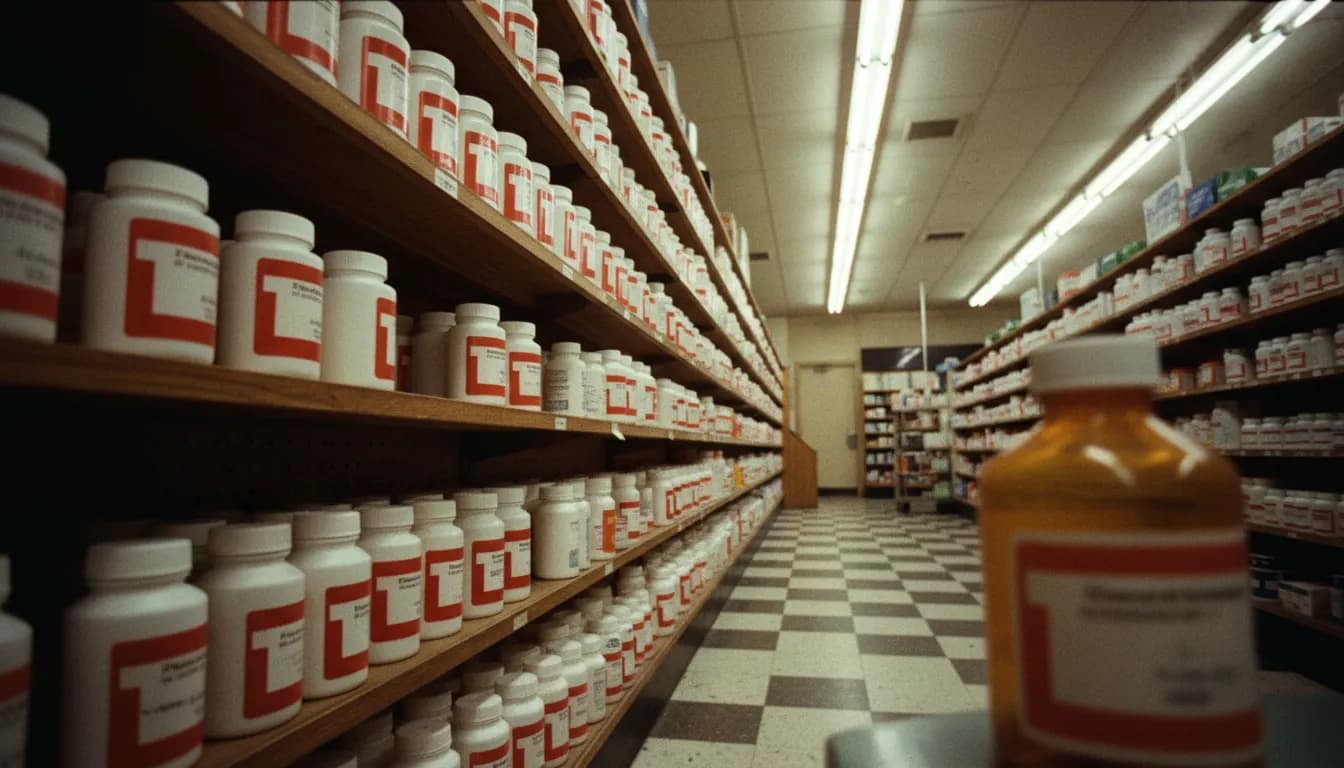
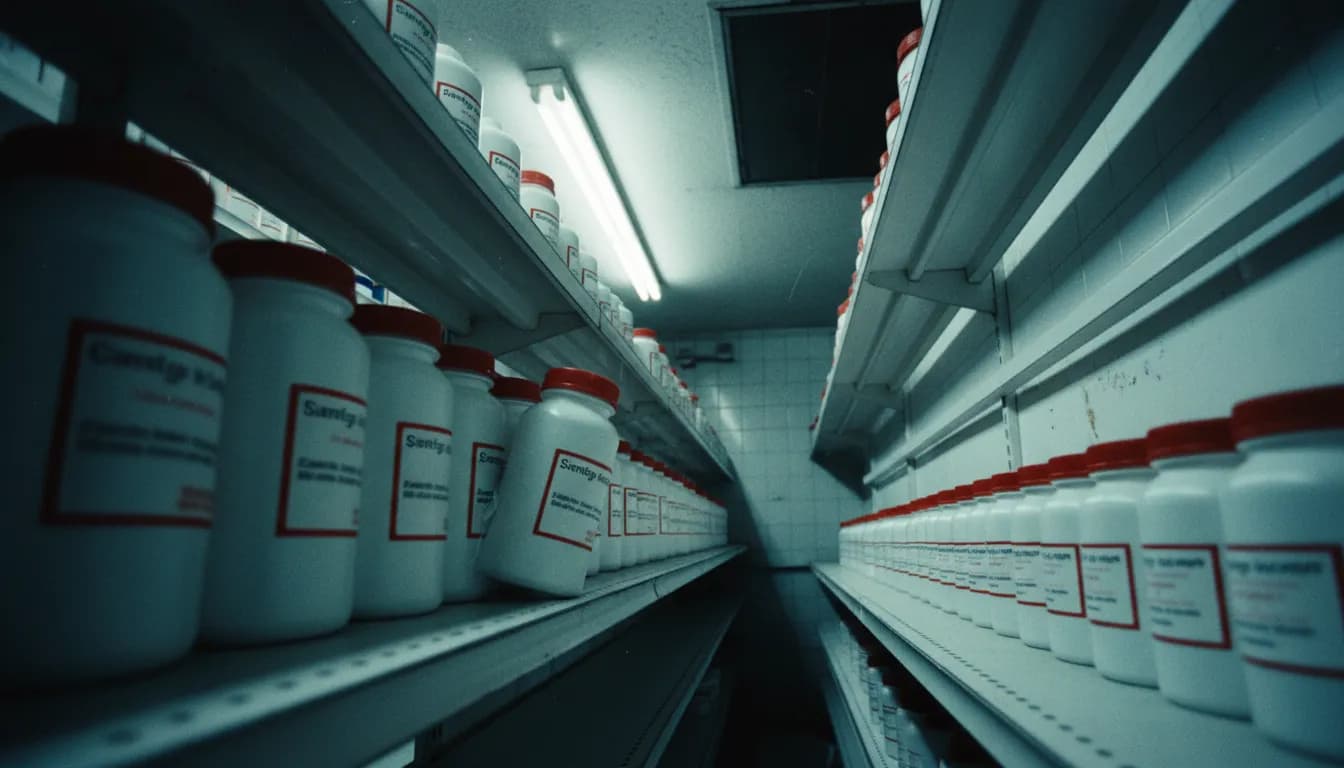
On May 26, 2025, Netflix will premiere Cold Case: The Tylenol Murders, a documentary series examining one of America's most terrifying unsolved crimes—and an incident that would reshape consumer product safety regulations worldwide.
In the early 1980s, Chicago residents began dying under mysterious circumstances. What initially appeared to be heart attacks—including the death of a previously healthy man named Adam—soon revealed a darker pattern. Investigators and journalists discovered that over-the-counter Tylenol capsules had been deliberately contaminated with cyanide, a lethal poison. At least three confirmed deaths resulted from the tampering, with evidence suggesting six capsules had been removed from a single bottle and replaced with poison.
The discovery sent shockwaves across the United States and eventually the world. This was the first recorded instance of mass murder through consumer product tampering—a crime category that barely existed in law enforcement consciousness at the time. The poisonings sparked widespread panic. Consumers couldn't trust medications sitting on pharmacy shelves. Hospitals and retailers scrambled to respond. The psychological impact extended far beyond Chicago's borders, triggering copycat threats and fundamentally reshaping how the pharmaceutical industry approached product security.
**A Crime That Changed Everything**
While the Tylenol case remains officially unsolved over four decades later, its legacy is undeniable. The immediate aftermath saw product recalls and investigations, but no definitive arrest or prosecution. The documentary series, produced by seasoned true-crime filmmakers including Joe Berlinger and others with extensive documentary credentials, promises to revisit dormant investigative leads and examine a key suspect whose connection to the case has attracted renewed scrutiny.
The international significance of this case extends beyond America's borders. Consumer safety standards across Europe, Scandinavia, and Asia were influenced by the Tylenol crisis. The triple-sealed packaging now standard on medications worldwide—tamper-evident seals, foil barriers, and protective caps—exist directly because of what happened in Chicago in the 1980s. For Nordic and European audiences accustomed to strict pharmaceutical regulations, the Tylenol case represents a cautionary tale of how quickly trust in consumer safety can evaporate and how innovation in criminal methodology can outpace institutional safeguards.
**Reopening Old Questions**
The documentary does not present a solved case wrapped in neat conclusions. Instead, it investigates competing theories about motive and suspect identity. Was this an act of extortion? A mentally disturbed individual seeking notoriety? A disgruntled employee with access to products? The series examines these possibilities while tracing attempts to identify the perpetrator—work that law enforcement had largely abandoned by the time this documentary was conceived.
For true-crime audiences, the Tylenol murders occupy a unique position. Unlike cases solved through DNA technology or cold-case task forces, this crime remains mysterious despite significant investigative effort. It raises uncomfortable questions about the limits of law enforcement and the possibility that some crimes, regardless of their scale, may never be definitively solved.
The series carries a TV-MA rating and has garnered a 71% score on Rotten Tomatoes, indicating solid critical and audience reception. For international viewers unfamiliar with this chapter of American criminal history, the documentary offers both a specific historical account and a broader examination of how crime, fear, and institutional response intersect in modern society.
The May 2025 premiere arrives at a time when product safety, supply chain integrity, and consumer trust remain central concerns in every developed economy. The Tylenol case, nearly forgotten by many younger viewers, deserves renewed attention—not merely as historical curiosity, but as a foundational moment in how societies protect themselves against threats hiding in plain sight.