Murder in the Suburbs: Satanic Panic and a Jersey Tragedy
Apple TV's 'Let the Devil In' examines a 1988 murder-suicide that gripped New Jersey during America's moral panic over Satanism
Quick Facts
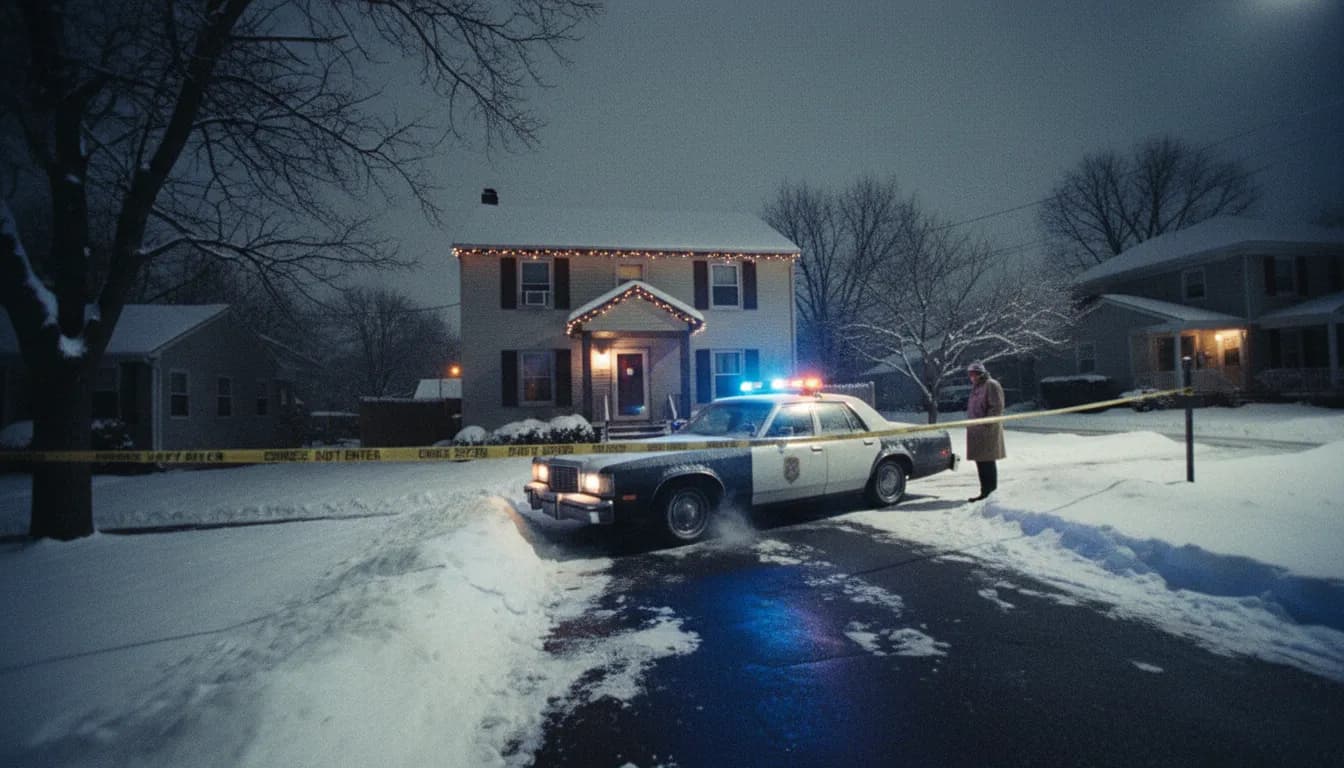
In 1988, a quiet suburban community in Jefferson Township, North Jersey became the center of one of America's darkest moral panics. A devout Catholic mother was found murdered in her home—killed by her own 14-year-old son, Tommy Sullivan, an "All-American boy" who left behind a note written as a pact with Satan before taking his own life.
The case struck at the heart of 1980s American anxiety. Tommy's bedroom told a chilling story: his bed was made, suggesting he had never slept that night. Inside, investigators discovered not just one satanic letter, but two, alongside items referencing heavy metal music. The orderly room of a seemingly normal teenager now harbored evidence that alarmed authorities and captivated media outlets across the region.
The tragedy unfolded against the backdrop of the Satanic Panic—a widespread moral panic sweeping North America throughout the 1980s. This phenomenon was built on allegations of Satanic ritual abuse (SRA) that would eventually number over 12,000 cases, virtually all of them unsubstantiated. By the late 1990s, the panic had spread globally, and its echoes persist even today.
In Jefferson Township, the discovery of satanic symbols at the crime scene ignited local fears and speculation. Rumors spread of a large satanic cult operating in northern New Jersey, grooming young people and orchestrating dark rituals. The media frenzy that followed transformed a regional tragedy into a symbol of broader societal anxieties about youth, music, and the occult.
The new Apple TV docuseries "Let the Devil In" (2025, 44 minutes, rated 14+) revisits this haunting chapter. The documentary explores the murder-suicide itself, the satanic symbols uncovered by investigators, claims of demonic influence on a teenager, and the wider context of Satanic Panic gripping the nation. Through archival footage and contemporary analysis, the series examines how a family tragedy became entangled with one of America's most pervasive—and baseless—moral panics.