Naming the Dead: How DNA Solved a Serial Killer's Mystery
The National Geographic series reveals how forensic genealogy identified a victim of Larry Eyler, the notorious Interstate Killer who murdered at least 21 young men across the Midwest in the early 1980s
Quick Facts
For over four decades, one victim of serial killer Larry Eyler remained nameless. Known only as "Brad Doe" since 1983, the unidentified young man's case sat in cold case files until the DNA Doe Project applied modern forensic genealogy techniques to finally give him back his identity: John Brandenburg Jr.
Larry William Eyler, born December 21, 1952, earned the grim nicknames "Interstate Killer" and "Highway Killer" for his systematic targeting of teenage boys and young men across the Midwestern United States. Operating primarily in Indiana and Illinois between 1982 and 1984, Eyler confessed in writing to murdering 21 victims, though authorities believe the true number may reach as high as 50. Each killing followed a chillingly predictable pattern: Eyler would lure young men with money, drug them with sleeping pills in their drinks, transport them roughly 100 miles from home, and stab them between 21 and 31 times each. He would then discard their identification and abandon their bodies near highways accessible via the Interstate system.
One documented victim was 18-year-old Jimmie Roberts, an African-American man discovered on May 9 with 35 stab wounds in Thorn Creek. Yet despite the evidence and Eyler's own written confession detailing pickup locations, victim descriptions, and physical appearances, many of his victims remained unidentified for decades.
Enter the DNA Doe Project, a volunteer-led organization specializing in forensic genealogy. In Season 1, Episode 1 of the National Geographic documentary series "Naming the Dead," viewers witness the breakthrough investigation that finally identified Brandenburg. The episode, titled "The Hitchhiker," premiered on August 2 and is available on Disney+ and Hulu platforms.
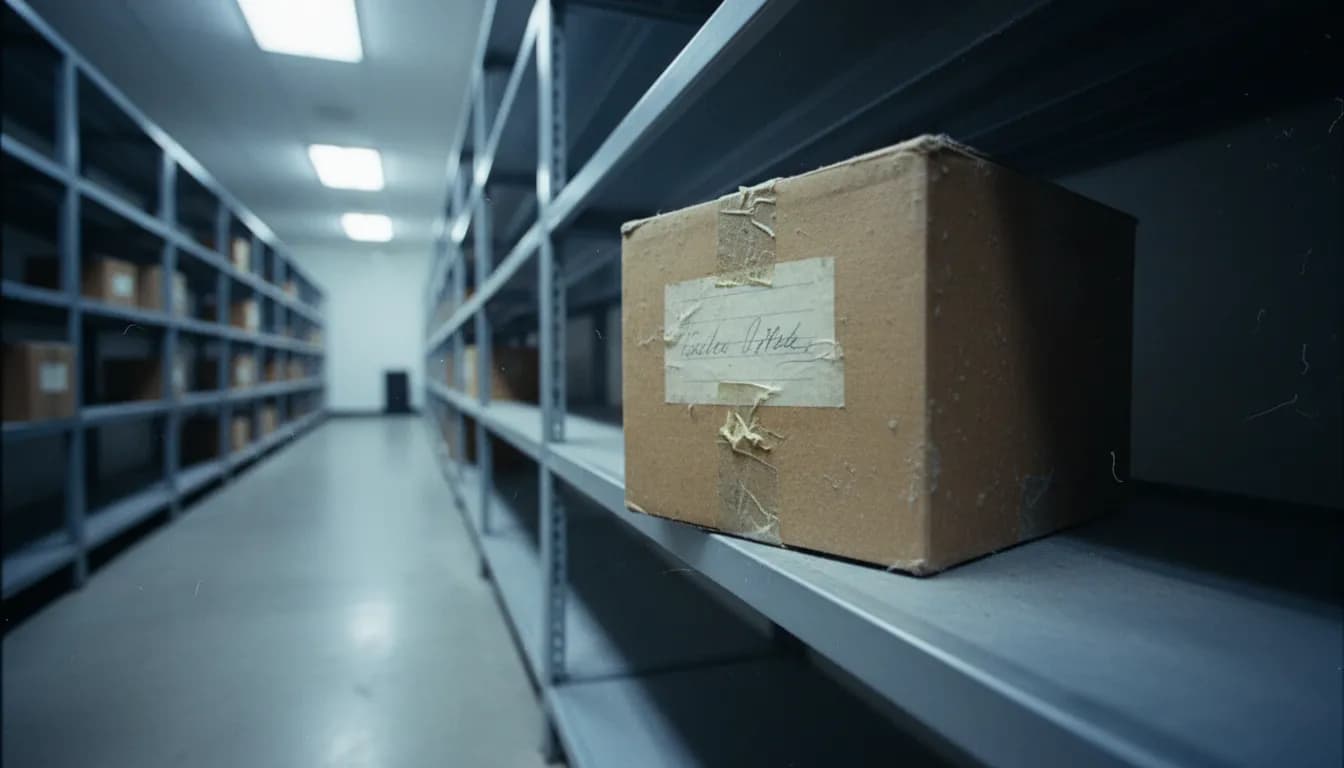
The investigation centered on Newton County, Indiana, where coroner Scott McCord had preserved crucial evidence. Director Jennifer Randolph and the DNA Doe Project team applied genealogical DNA analysis—a technique that has revolutionized cold case investigations in recent years. Rather than relying on traditional DNA databases, this approach uses DNA to build family trees, allowing investigators to identify remains by connecting them to living relatives through shared genetic markers.