HBO's Yogurt Shop Murders Doc Reopens 1991 Austin Cold Case
New documentary series examines the unsolved killings of four teenage girls and the investigation that led to wrongful convictions
Quick Facts
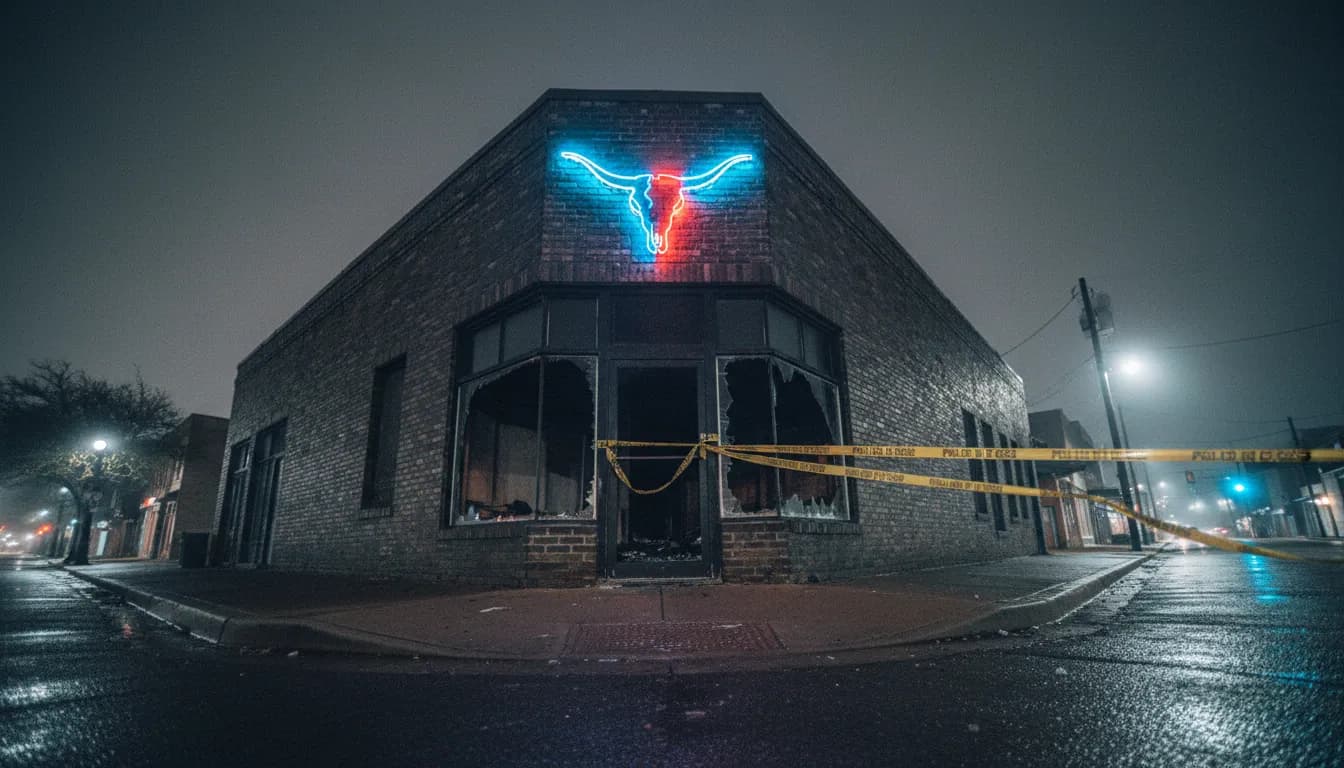
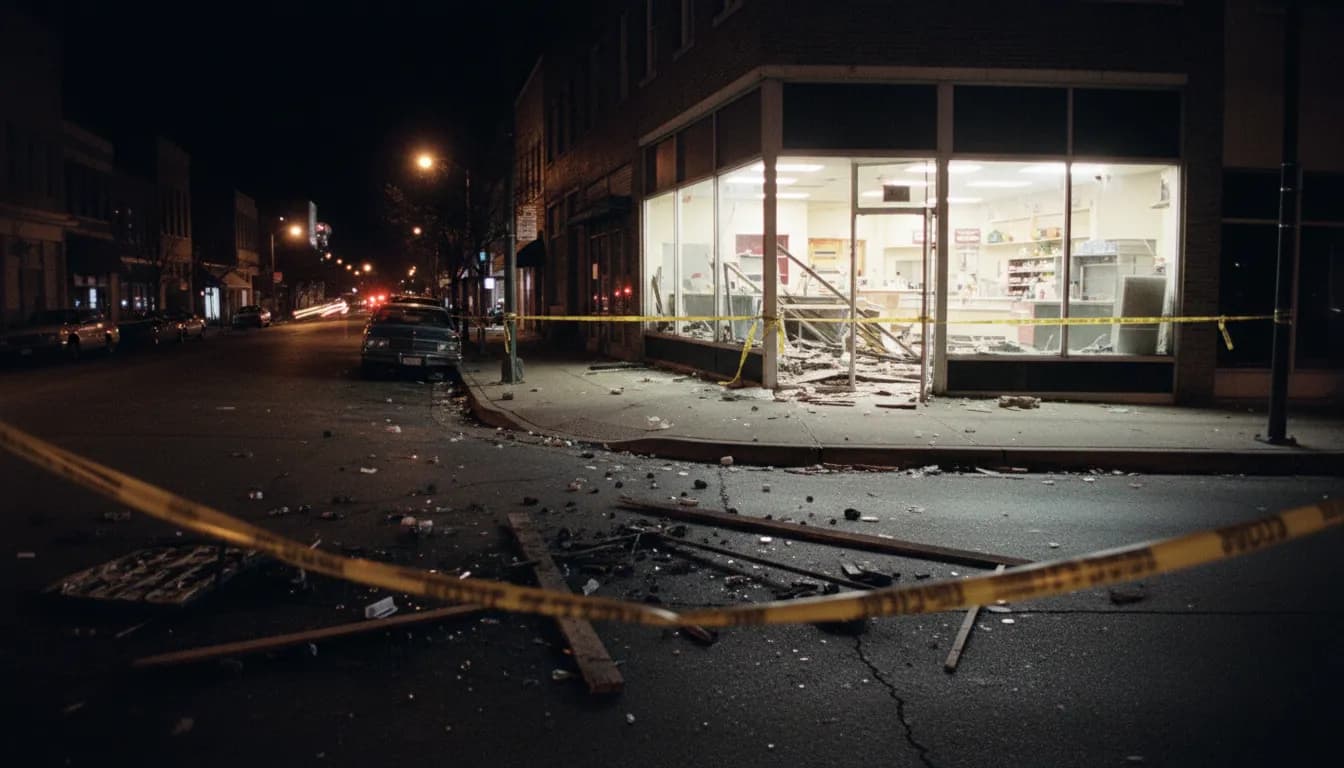
HBO's new documentary miniseries The Yogurt Shop Murders examines one of Austin, Texas's most troubling unsolved crimes: the 1991 murders of four teenage girls at a yogurt shop in a strip mall. The victims were shot and killed, and their bodies were found after the establishment was set on fire—a case that would haunt the city for decades.
Directed by Austin-based filmmaker Margaret Brown and produced by A24, the series originally premiered at South by Southwest (SXSW) on March 10, 2025, before making its way to HBO on August 3, 2025. The four-episode run concluded on August 24, 2025, with a fifth episode focusing specifically on perpetrator identification scheduled for May 22, 2026.
The documentary concept originated from actress Emma Stone and filmmaker Dave McCary, with Brown bringing her directorial vision to the project. The series incorporates archival footage compiled by filmmaker Claire Huie, weaving together multiple perspectives on a case marked by investigation missteps, false confessions, and the lasting trauma inflicted on victims' families.
Through extensive interviews, the series brings together key figures from the investigation and legal proceedings. Investigators John Jones, Paul Johnson, Mike Huckabay, and Dan Jackson discuss the police work behind the case. The documentary also features perspectives from author Beverly Lowry, journalist Mike Hall, and correspondent Erin Moriarty, who bring journalistic scrutiny to the investigation's methods. Memory expert Robert Shomer contributes insight into the psychology of memory and confession, while lawyers Joe Sawyer, Carlos Garcia, and Amber Farrelly examine the legal dimensions. Judge Mike Lynch rounds out the commentary.
A central focus of the series is the role of false confessions and coercive interrogation techniques in a case that resulted in arrests and convictions despite remaining officially unsolved. This aspect of the documentary speaks to broader concerns within the criminal justice system about how investigative pressure and interrogation methods can lead innocent people to confess to crimes they did not commit.