When Warriors Return: A Danish Family's Tragedy and War Trauma
New book examines how Balkan veteran's PTSD led to double homicide in 2016
Quick Facts
On July 7, 2016, a family tragedy unfolded in the Danish countryside that would expose critical gaps in how Scandinavian nations handle combat-related trauma among military veterans. Lars Kragh, a 37-year-old former sergeant in the Royal Danish Life Regiment, killed both his parents—Kirsten, 69, and Jørgen, 74—at their summer house in Uggelhuse, near the city of Randers in East Jutland.
Kragh had served in the Balkans during the 1990s and 2000s, including deployments to Bosnia and Kosovo. Though his military record did not indicate direct combat exposure, Kragh had struggled with post-traumatic stress disorder (PTSD) for years following his service. By 2016, his mental health had deteriorated significantly—yet the Danish welfare system's response would prove tragically inadequate.
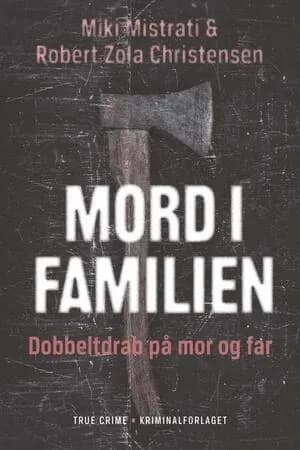
Now, a new book titled "Mord i Familien" (Murder in the Family) by journalist Miki Mistrati and literary scholar Robert Zola Christensen has reopened this case for international scrutiny, positioning it as a cautionary tale about how democratic nations fail their traumatized veterans.
**The Crisis Before the Crime**
Kragh's PTSD had been formally diagnosed around 2010, but his treatment history reveals a troubling pattern. In September 2014, Kragh's parents—increasingly alarmed by his deteriorating mental state—arranged an involuntary psychiatric hospitalization. He was released after just one day, a decision his legal representatives and brother later described as catastrophic. According to family accounts, this forced admission traumatized Kragh further and deepened his estrangement from his parents and the health system meant to help him.
For nearly two years after that failed intervention, Kragh's condition worsened without adequate follow-up care. His case reflects a broader European problem: while the U.S. has increasingly invested in veteran mental health infrastructure since the post-9/11 wars, many smaller NATO allies—including Denmark—have slower, more fragmented systems for identifying and treating military personnel in crisis.