True crime news logo
  • News
True crime news logo

The international true crime destination. Cases, documentaries, podcasts and travel routes.

© 2026 truecrime.news. All rights reserved.

Der goldene Handschuh — Fatih Akins verstörender Honka-Film

Hamburg Serial Killer Fritz Honka Gets Brutal Film Treatment

Director Fatih Akin's unflinching 2019 drama about Fritz Honka shocked audiences with its relentless realism and won three German Film Awards.

Director/Producer
Fatih Akin
Published
May 7, 2026 at 11:58 PM

Quick Facts

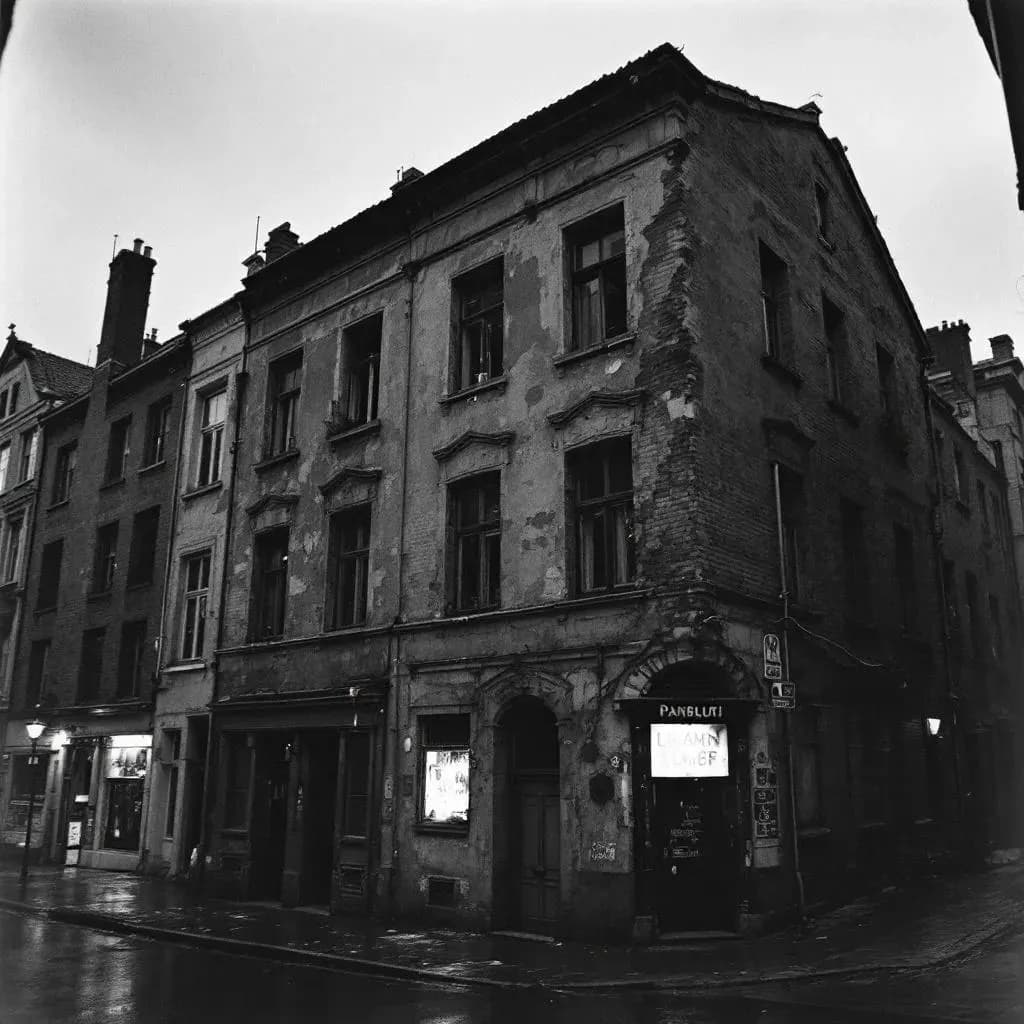
LocationZeißstraße 74, Hamburg-St. Pauli, Deutschland — Wohnung von Fritz Honka
PremiereOctober 23, 2019, Venice Film Festival
AwardsGerman Film Awards 2020: Best Director, Best Editing, Best Sound
Lead RoleJonas Dassler as Fritz Honka (with extensive prosthetics)
Case BackgroundFritz Honka murdered four women between 1971–1974 in Hamburg

A film that pushes the boundaries of what we can endure

German filmmaker Fatih Akin brought one of Germany's worst serial murder cases to the big screen when "Der Goldene Handschuh" premiered at the Venice Film Festival on October 23, 2019. The film was released in Germany a day later and met with immediate massive resistance and debate.

Based on Heinz Strunk's 2016 novel, Akin tells the story of Fritz Honka, who between 1971 and 1974 murdered at least four women in his tiny apartment at Zeißstraße 74 in St. Pauli. Akin chose an unsparing approach: no beautification, no artistic distance, no emotional buffer.

"I did not want to beautify, but to show hell as it was," Akin explained at the Venice press conference. The result was a film that pushed even the most hardened film critics to their limits.

Jonas Dassler becomes the Hamburg serial killer

The heart of the film is Jonas Dassler's transformation into the alcoholic murderer. Makeup artists Maike Heinlein and Lisa Edelmann spent many hours daily applying prosthetic materials, skin coloring, and special contact lenses to transform Dassler into the small, damaged man with a deformed skull that Honka was. The result was so brutally realistic that journalists called the makeup "disturbingly authentic."

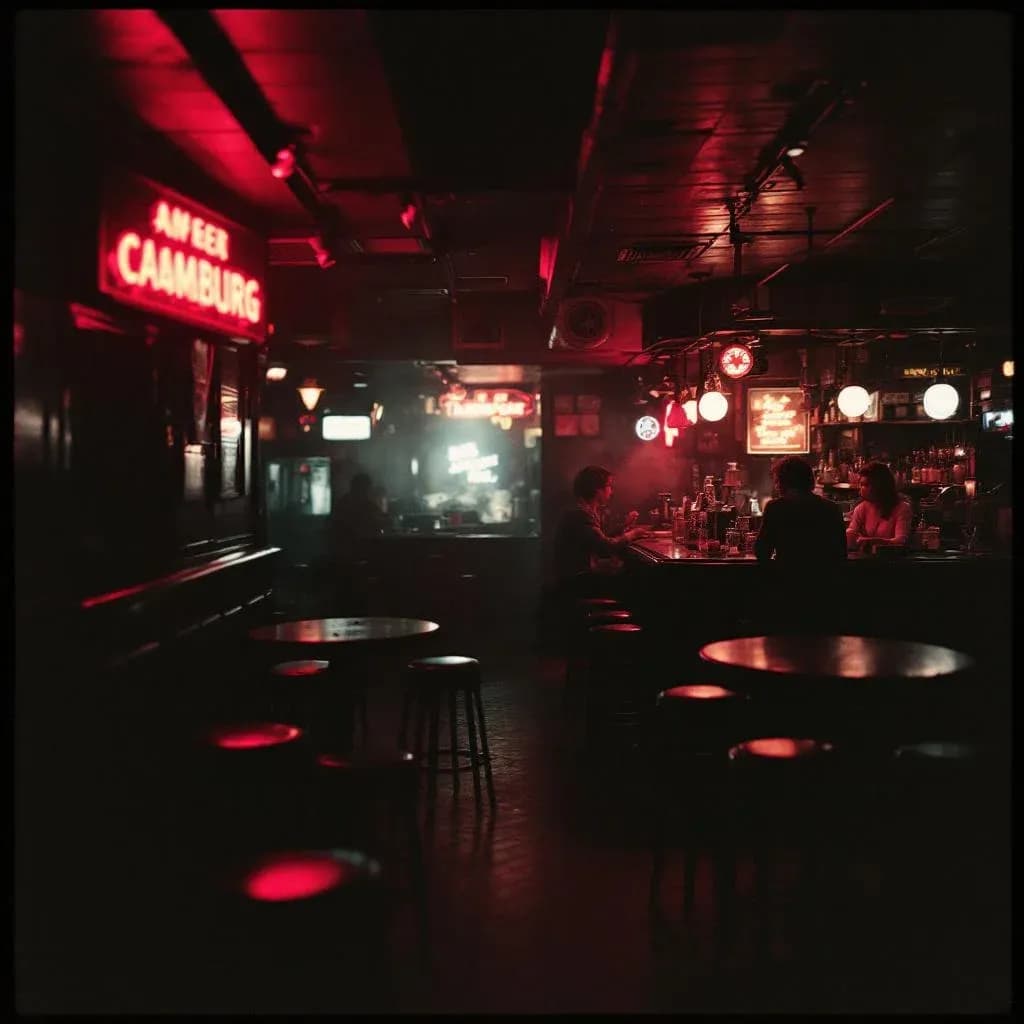
Beyond Dassler, Marc Hosemann, Oreste Camillo, Katja Danowski, and Martina Eitner-Acheampong impressed as the supporting cast. The bar "Zum Goldenen Handschuh," Honka's favorite haunt, was reconstructed in meticulous detail—a place marked by poverty, alcoholism, and desperation.

Awards despite controversy

The German Film Awards ceremony in 2020 honored Akin's work with three major recognitions: Best Director, Best Editing, and Best Sound. The jury acknowledged the craftsmanship excellence, even as public debate remained divided.

Internationally, the film received mixed reviews. On Rotten Tomatoes, it achieved 57 percent positive ratings from 51 critics, while the audience score stood at 64 percent. In Germany, users on Filmstarts.de gave it an average of 3.4 out of 5 stars. Dassler's acting performance in particular drew praise, as did Akin's visual consistency.

The debate over decency in true crime

The Frankfurter Allgemeine Zeitung accused the film of sliding into "mob shock" without reflecting on the sensationalism that true crime often exploits. Der Spiegel called "Der Goldene Handschuh" "repulsive," but also "honest." The central question became: Where is the line between necessary realism and voyeuristic violence?

The age rating was set at 16 years—a decision that shows no major child protection concerns were identified, though the film is emotionally demanding. Akin himself defends his approach: he wanted to show reality as it was—without filters, without romanticization. Serial killer cases in film are often aestheticized; his film was meant to be the opposite.

The historical case of Fritz Honka

Fritz Heinrich Honka was born on April 23, 1938, in East Prussia and grew up under difficult circumstances. As an adult, he lived in Hamburg's St. Pauli district in an 18-square-meter apartment. Between 1971 and 1974, he murdered four women: Anna Strumbke (52, 1971), Ingeborg Gerlich (41, 1972), Maria Struck (42, 1974), and Frieda Tack (63, 1974). All were prostitutes or homeless women from the Reeperbahn area.

Honka dismembered the bodies in his apartment and attempted to burn parts of them. Renovation work on July 17, 1975, led to the discovery of the crimes. Hamburg's district court sentenced him to life imprisonment on December 9, 1976, for four murders. He died in prison in 1998 from lung cancer.

Conclusion: A film that divides

"Der Goldene Handschuh" is a film that divides opinion. It shows Hamburg's dark side without romanticization and confronts audiences with the question of how much reality we can endure on screen. Akin's work is not easy viewing, but an important contribution to the debate about true crime in film—and filmmakers' responsibility when dealing with real crimes.
Read more

Fritz Honka
Profile

Fritz Honka

Fritz Honka — Hamburgs gakkede seriemorder
Case

Fritz Honka — Hamburg's Deranged Serial Killer

Firebørn dræbt af fremmed mand i schweizisk horrornagt
Post

Swiss Home Invasion: The Rupperswil Murders and Europe's Largest Manhunt

Related Content
Fritz Honka

Fritz Honka

Fritz Honka — Hamburgs gakkede seriemorder

Fritz Honka — Hamburg's Deranged Serial Killer

Firebørn dræbt af fremmed mand i schweizisk horrornagt

Swiss Home Invasion: The Rupperswil Murders and Europe's Largest Manhunt

Utah-mor dømt for mord på mand — udgav sorgebog til børn

Utah Mother Convicted of Poisoning Husband with Fentanyl

Advertisement
SS

Susanne Sperling

View all stories →
Share this post:
Der goldene Handschuh — Fatih Akins verstörender Honka-Film

Hamburg Serial Killer Fritz Honka Gets Brutal Film Treatment

Director Fatih Akin's unflinching 2019 drama about Fritz Honka shocked audiences with its relentless realism and won three German Film Awards.

Director/Producer
Fatih Akin
Published
May 7, 2026 at 11:58 PM

Quick Facts

LocationZeißstraße 74, Hamburg-St. Pauli, Deutschland — Wohnung von Fritz Honka
PremiereOctober 23, 2019, Venice Film Festival
AwardsGerman Film Awards 2020: Best Director, Best Editing, Best Sound
Lead RoleJonas Dassler as Fritz Honka (with extensive prosthetics)
Case BackgroundFritz Honka murdered four women between 1971–1974 in Hamburg

A film that pushes the boundaries of what we can endure

German filmmaker Fatih Akin brought one of Germany's worst serial murder cases to the big screen when "Der Goldene Handschuh" premiered at the Venice Film Festival on October 23, 2019. The film was released in Germany a day later and met with immediate massive resistance and debate.

Based on Heinz Strunk's 2016 novel, Akin tells the story of Fritz Honka, who between 1971 and 1974 murdered at least four women in his tiny apartment at Zeißstraße 74 in St. Pauli. Akin chose an unsparing approach: no beautification, no artistic distance, no emotional buffer.

"I did not want to beautify, but to show hell as it was," Akin explained at the Venice press conference. The result was a film that pushed even the most hardened film critics to their limits.

Jonas Dassler becomes the Hamburg serial killer

The heart of the film is Jonas Dassler's transformation into the alcoholic murderer. Makeup artists Maike Heinlein and Lisa Edelmann spent many hours daily applying prosthetic materials, skin coloring, and special contact lenses to transform Dassler into the small, damaged man with a deformed skull that Honka was. The result was so brutally realistic that journalists called the makeup "disturbingly authentic."

Beyond Dassler, Marc Hosemann, Oreste Camillo, Katja Danowski, and Martina Eitner-Acheampong impressed as the supporting cast. The bar "Zum Goldenen Handschuh," Honka's favorite haunt, was reconstructed in meticulous detail—a place marked by poverty, alcoholism, and desperation.

Awards despite controversy

The German Film Awards ceremony in 2020 honored Akin's work with three major recognitions: Best Director, Best Editing, and Best Sound. The jury acknowledged the craftsmanship excellence, even as public debate remained divided.

Internationally, the film received mixed reviews. On Rotten Tomatoes, it achieved 57 percent positive ratings from 51 critics, while the audience score stood at 64 percent. In Germany, users on Filmstarts.de gave it an average of 3.4 out of 5 stars. Dassler's acting performance in particular drew praise, as did Akin's visual consistency.

The debate over decency in true crime

The Frankfurter Allgemeine Zeitung accused the film of sliding into "mob shock" without reflecting on the sensationalism that true crime often exploits. Der Spiegel called "Der Goldene Handschuh" "repulsive," but also "honest." The central question became: Where is the line between necessary realism and voyeuristic violence?

The age rating was set at 16 years—a decision that shows no major child protection concerns were identified, though the film is emotionally demanding. Akin himself defends his approach: he wanted to show reality as it was—without filters, without romanticization. Serial killer cases in film are often aestheticized; his film was meant to be the opposite.

The historical case of Fritz Honka

Fritz Heinrich Honka was born on April 23, 1938, in East Prussia and grew up under difficult circumstances. As an adult, he lived in Hamburg's St. Pauli district in an 18-square-meter apartment. Between 1971 and 1974, he murdered four women: Anna Strumbke (52, 1971), Ingeborg Gerlich (41, 1972), Maria Struck (42, 1974), and Frieda Tack (63, 1974). All were prostitutes or homeless women from the Reeperbahn area.

Honka dismembered the bodies in his apartment and attempted to burn parts of them. Renovation work on July 17, 1975, led to the discovery of the crimes. Hamburg's district court sentenced him to life imprisonment on December 9, 1976, for four murders. He died in prison in 1998 from lung cancer.

Conclusion: A film that divides

"Der Goldene Handschuh" is a film that divides opinion. It shows Hamburg's dark side without romanticization and confronts audiences with the question of how much reality we can endure on screen. Akin's work is not easy viewing, but an important contribution to the debate about true crime in film—and filmmakers' responsibility when dealing with real crimes.
Read more

Fritz Honka
Profile

Fritz Honka

Fritz Honka — Hamburgs gakkede seriemorder
Case

Fritz Honka — Hamburg's Deranged Serial Killer

Firebørn dræbt af fremmed mand i schweizisk horrornagt
Post

Swiss Home Invasion: The Rupperswil Murders and Europe's Largest Manhunt

Related Content
Fritz Honka

Fritz Honka

Fritz Honka — Hamburgs gakkede seriemorder

Fritz Honka — Hamburg's Deranged Serial Killer

Firebørn dræbt af fremmed mand i schweizisk horrornagt

Swiss Home Invasion: The Rupperswil Murders and Europe's Largest Manhunt

Utah-mor dømt for mord på mand — udgav sorgebog til børn

Utah Mother Convicted of Poisoning Husband with Fentanyl

Advertisement
SS

Susanne Sperling

View all stories →
Share this post: