True crime news logo
  • News
True crime news logo

The international true crime destination. Cases, documentaries, podcasts and travel routes.

© 2026 truecrime.news. All rights reserved.

Sagsmappe

Fritz Honka — Hamburg's Deranged Serial Killer

Hjemløs mand dræbte mindst fire kvinder på Reeperbahn i 1970erne

Mappe Åbnet: MAY 7, 2026 AT 11:59 PM
Fritz Honka — Hamburgs gakkede seriemorder
BEVIS

Sagsdetaljer

Quick Facts

Klassifikation:

Serial killer
Germany
Hamburg
Reeperbahn
drab
Sted
St. Pauli, Hamburg, Germany

Quick Facts

LocationSt. Pauli, Hamburg, Germany
Fødselsdato26. september 1942
DrabsstederHamburg, Tyskland (Reeperbahn)
Antal ofreMindst 4 bekræftede (muligvis flere)
Aktiv periode1975-1979

Who Was Fritz Honka?

Fritz Honka was a German man with a sorrowful childhood and numerous mental health issues. He was born in 1942 and grew up under difficult circumstances, which marked him throughout his life. Honka was a heavy drinker and lived on the streets or in cheap apartments. His social skills were minimal, and he was often cast out by society. Despite—or perhaps because of—his miserable living conditions, he developed a deep hatred of women, particularly the prostitutes he encountered in Hamburg's notorious Reeperbahn district.

Reeperbahn and Life on the Streets

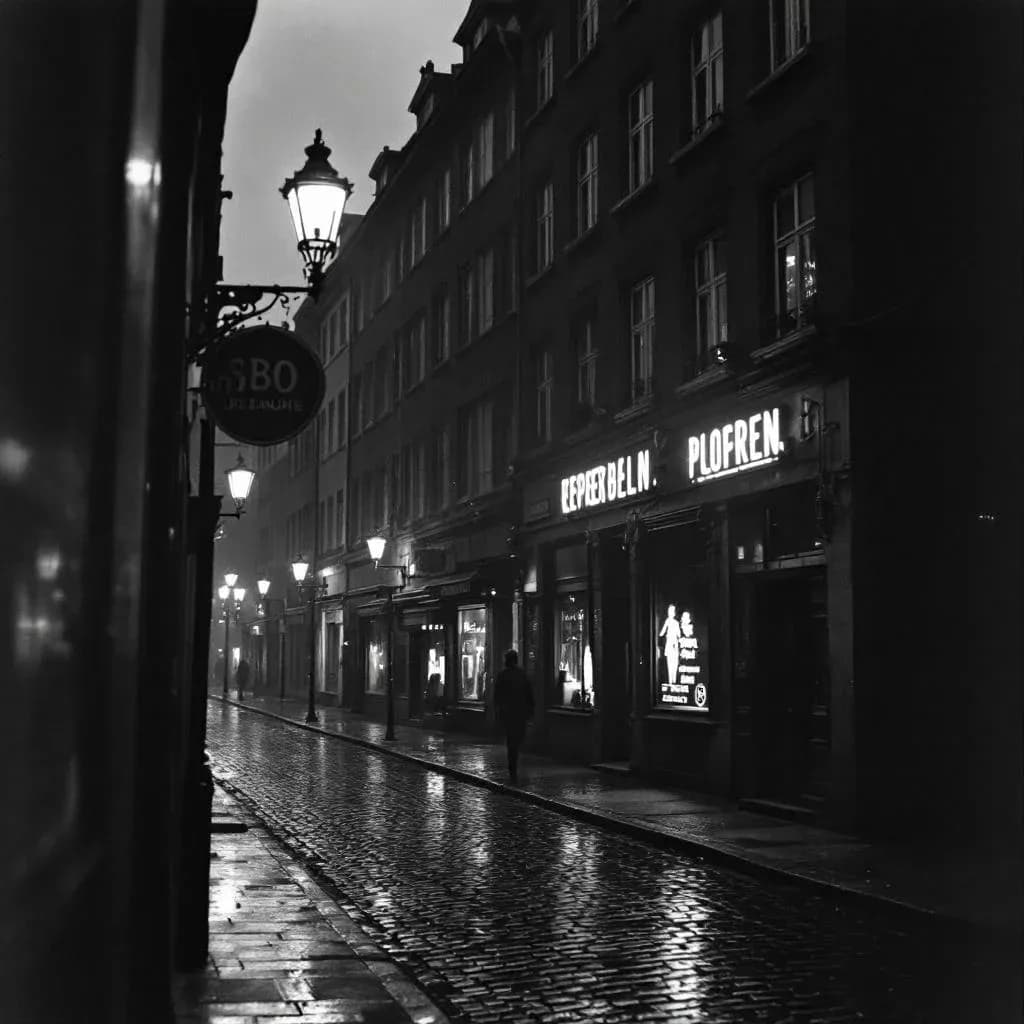
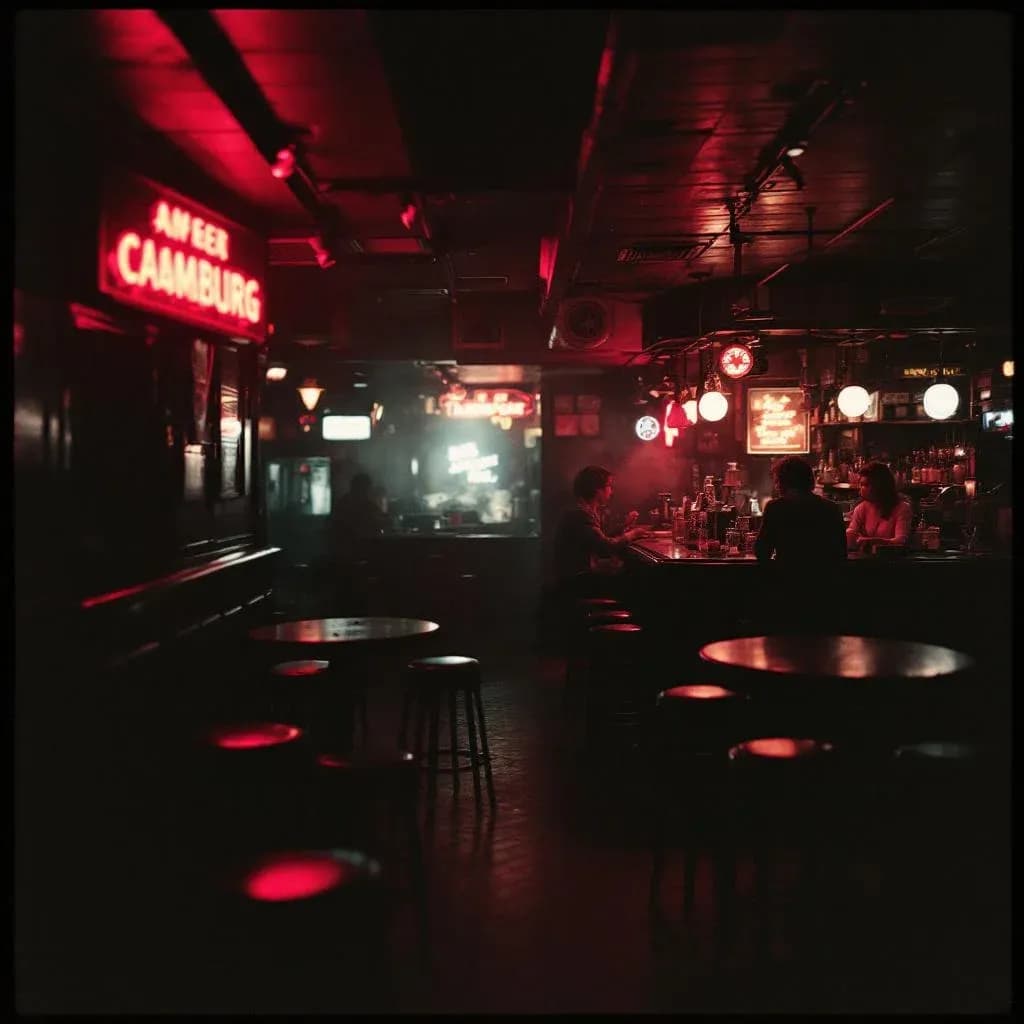
Reeperbahn is Hamburg's legendary red light district, known for its bars, strip clubs, and prostitution. It was here that Honka spent much of his time, among the marginalized and vulnerable people. He worked sporadically and lived on social welfare, but spent most of the money on beer and schnapps. In the 1970s, he rented a small apartment on Wilms-Strasse in the area—an apartment that would become the scene of his atrocities.

Honka was a wretched man without friends or acquaintances. Prostitutes would sometimes take him on for a few marks, but often he was rejected. This fueled his anger. He began luring women to his apartment under the pretense of paying for sex, but had entirely different plans.

The First Murders

The first murder that Honka can be reliably linked to was that of a woman named Uwe Feist in 1975. She was lured to his apartment and killed. Honka hid her body beneath his floorboards, where it remained concealed for extended periods.

Fødselsdato
26. september 1942
Drabssteder
Hamburg, Tyskland (Reeperbahn)
Antal ofre
Mindst 4 bekræftede (muligvis flere)
Aktiv periode
1975-1979
Anholdt
1979
Dom
Livstid (1982)

In 1976, he killed Petra Freund, a young woman who was also hidden under the floor. The following years were marked by several more murders. Honka continued to lure women—both prostitutes and homeless people—to his apartment. There, he forced them to drink and then beat them to death, often with a hammer or other tools.

His modus operandi was gruesome: he would get them intoxicated, then physically assault them. Some were beaten repeatedly, some were strangled. Afterward, he hid the bodies beneath the floor in his apartment, where they gradually decomposed. Neighbors began to notice terrible smells, but Honka claimed they came from rats or faulty sewage pipes.

Arrest and Investigation

In 1979, Honka was finally arrested. Police received a tip and searched his apartment. What they found was almost unbelievable: the remains of four, possibly five dead women hidden beneath the floor and scattered around the space. Some were reduced to skeletons, others were severely decomposed. It was one of the worst serial killer scenes police in Hamburg had ever encountered.

During interrogations, Honka confessed to several murders, though his confessions were contradictory and unclear. He claimed that some of the murders were in self-defense or accidents, but the evidence pointed to something far more systematic and malicious.

One important factor in the investigation was the expertise of forensic and medical examiners, who could date the bodies and determine causes of death. It was established that some of the women had been dead for years while lying hidden beneath his floor.

Conviction and Subsequent Years

In 1982, Fritz Honka was convicted of at least four murders and sentenced to life imprisonment. The case attracted massive media attention both in Germany and internationally. It was a shocking example of how a disturbed man could operate unseen in the city center, hiding his victims physically beneath the noses of the population.

Honka died in prison in 1998. He was never released and made no confessions to additional murders after his arrest, though investigators suspected his crimes could date back before 1975. Experts in unsolved serial murders have since discussed whether he could be responsible for more murders than he was convicted of.

The case deeply affected German criminal history and was later dramatized in films such as "Der Nachtfalter" (The Night Owl). Collections of notorious German serial killers always include Fritz Honka as one of the most depraved examples of unpunished sexual and violent pathology.

Legacy and Lessons

The Honka case became important for German police and social development. It demonstrated the need for better monitoring of marginalized people and their residences, as well as improved psychiatric intervention. At the same time, the case became a symbol of social problems surrounding prostitutes and the homeless—groups that Honka exploited, and which society has tended to ignore.

Today, Reeperbahn remains known for its red light environment, but the area has undergone changes. The case of Fritz Honka remains a dark chapter in Hamburg's criminal history—a reminder of humanity's capacity to hide the worst among us.
Read more

Der goldene Handschuh — Fatih Akins verstörender Honka-Film
Film

Hamburg Serial Killer Fritz Honka Gets Brutal Film Treatment

Firebørn dræbt af fremmed mand i schweizisk horrornagt
Post

Swiss Home Invasion: The Rupperswil Murders and Europe's Largest Manhunt

Utah-mor dømt for mord på mand — udgav sorgebog til børn
Post

Utah Mother Convicted of Poisoning Husband with Fentanyl

Related Content
Der goldene Handschuh — Fatih Akins verstörender Honka-Film

Hamburg Serial Killer Fritz Honka Gets Brutal Film Treatment

Firebørn dræbt af fremmed mand i schweizisk horrornagt

Swiss Home Invasion: The Rupperswil Murders and Europe's Largest Manhunt

Utah-mor dømt for mord på mand — udgav sorgebog til børn

Utah Mother Convicted of Poisoning Husband with Fentanyl

Ugens true crime guide uge 19 2026 — journalist desk med mikrofon, headphones og krimidokumentation

No Verified True Crime Events Found for May 4–10, 2026

Advertisement
SS

Susanne Sperling

View all stories →
Share this post:
Sagsmappe

Fritz Honka — Hamburg's Deranged Serial Killer

Hjemløs mand dræbte mindst fire kvinder på Reeperbahn i 1970erne

Mappe Åbnet: MAY 7, 2026 AT 11:59 PM
Fritz Honka — Hamburgs gakkede seriemorder
BEVIS

Sagsdetaljer

Quick Facts

Klassifikation:

Serial killer
Germany
Hamburg
Reeperbahn
drab
Sted
St. Pauli, Hamburg, Germany
Fødselsdato
26. september 1942
Drabssteder
Hamburg, Tyskland (Reeperbahn)
Antal ofre
Mindst 4 bekræftede (muligvis flere)
Aktiv periode
1975-1979
Anholdt
1979
Dom
Livstid (1982)

Quick Facts

LocationSt. Pauli, Hamburg, Germany
Fødselsdato26. september 1942
DrabsstederHamburg, Tyskland (Reeperbahn)
Antal ofreMindst 4 bekræftede (muligvis flere)
Aktiv periode1975-1979

Who Was Fritz Honka?

Fritz Honka was a German man with a sorrowful childhood and numerous mental health issues. He was born in 1942 and grew up under difficult circumstances, which marked him throughout his life. Honka was a heavy drinker and lived on the streets or in cheap apartments. His social skills were minimal, and he was often cast out by society. Despite—or perhaps because of—his miserable living conditions, he developed a deep hatred of women, particularly the prostitutes he encountered in Hamburg's notorious Reeperbahn district.

Reeperbahn and Life on the Streets

Reeperbahn is Hamburg's legendary red light district, known for its bars, strip clubs, and prostitution. It was here that Honka spent much of his time, among the marginalized and vulnerable people. He worked sporadically and lived on social welfare, but spent most of the money on beer and schnapps. In the 1970s, he rented a small apartment on Wilms-Strasse in the area—an apartment that would become the scene of his atrocities.

Honka was a wretched man without friends or acquaintances. Prostitutes would sometimes take him on for a few marks, but often he was rejected. This fueled his anger. He began luring women to his apartment under the pretense of paying for sex, but had entirely different plans.

The First Murders

The first murder that Honka can be reliably linked to was that of a woman named Uwe Feist in 1975. She was lured to his apartment and killed. Honka hid her body beneath his floorboards, where it remained concealed for extended periods.

In 1976, he killed Petra Freund, a young woman who was also hidden under the floor. The following years were marked by several more murders. Honka continued to lure women—both prostitutes and homeless people—to his apartment. There, he forced them to drink and then beat them to death, often with a hammer or other tools.

His modus operandi was gruesome: he would get them intoxicated, then physically assault them. Some were beaten repeatedly, some were strangled. Afterward, he hid the bodies beneath the floor in his apartment, where they gradually decomposed. Neighbors began to notice terrible smells, but Honka claimed they came from rats or faulty sewage pipes.

Arrest and Investigation

In 1979, Honka was finally arrested. Police received a tip and searched his apartment. What they found was almost unbelievable: the remains of four, possibly five dead women hidden beneath the floor and scattered around the space. Some were reduced to skeletons, others were severely decomposed. It was one of the worst serial killer scenes police in Hamburg had ever encountered.

During interrogations, Honka confessed to several murders, though his confessions were contradictory and unclear. He claimed that some of the murders were in self-defense or accidents, but the evidence pointed to something far more systematic and malicious.

One important factor in the investigation was the expertise of forensic and medical examiners, who could date the bodies and determine causes of death. It was established that some of the women had been dead for years while lying hidden beneath his floor.

Conviction and Subsequent Years

In 1982, Fritz Honka was convicted of at least four murders and sentenced to life imprisonment. The case attracted massive media attention both in Germany and internationally. It was a shocking example of how a disturbed man could operate unseen in the city center, hiding his victims physically beneath the noses of the population.

Honka died in prison in 1998. He was never released and made no confessions to additional murders after his arrest, though investigators suspected his crimes could date back before 1975. Experts in unsolved serial murders have since discussed whether he could be responsible for more murders than he was convicted of.

The case deeply affected German criminal history and was later dramatized in films such as "Der Nachtfalter" (The Night Owl). Collections of notorious German serial killers always include Fritz Honka as one of the most depraved examples of unpunished sexual and violent pathology.

Legacy and Lessons

The Honka case became important for German police and social development. It demonstrated the need for better monitoring of marginalized people and their residences, as well as improved psychiatric intervention. At the same time, the case became a symbol of social problems surrounding prostitutes and the homeless—groups that Honka exploited, and which society has tended to ignore.

Today, Reeperbahn remains known for its red light environment, but the area has undergone changes. The case of Fritz Honka remains a dark chapter in Hamburg's criminal history—a reminder of humanity's capacity to hide the worst among us.

Read more

Der goldene Handschuh — Fatih Akins verstörender Honka-Film
Film

Hamburg Serial Killer Fritz Honka Gets Brutal Film Treatment

Firebørn dræbt af fremmed mand i schweizisk horrornagt
Post

Swiss Home Invasion: The Rupperswil Murders and Europe's Largest Manhunt

Utah-mor dømt for mord på mand — udgav sorgebog til børn
Post

Utah Mother Convicted of Poisoning Husband with Fentanyl

Related Content
Der goldene Handschuh — Fatih Akins verstörender Honka-Film

Hamburg Serial Killer Fritz Honka Gets Brutal Film Treatment

Firebørn dræbt af fremmed mand i schweizisk horrornagt

Swiss Home Invasion: The Rupperswil Murders and Europe's Largest Manhunt

Utah-mor dømt for mord på mand — udgav sorgebog til børn

Utah Mother Convicted of Poisoning Husband with Fentanyl

Ugens true crime guide uge 19 2026 — journalist desk med mikrofon, headphones og krimidokumentation

No Verified True Crime Events Found for May 4–10, 2026

Advertisement
SS

Susanne Sperling

View all stories →
Share this post: