Quick Facts
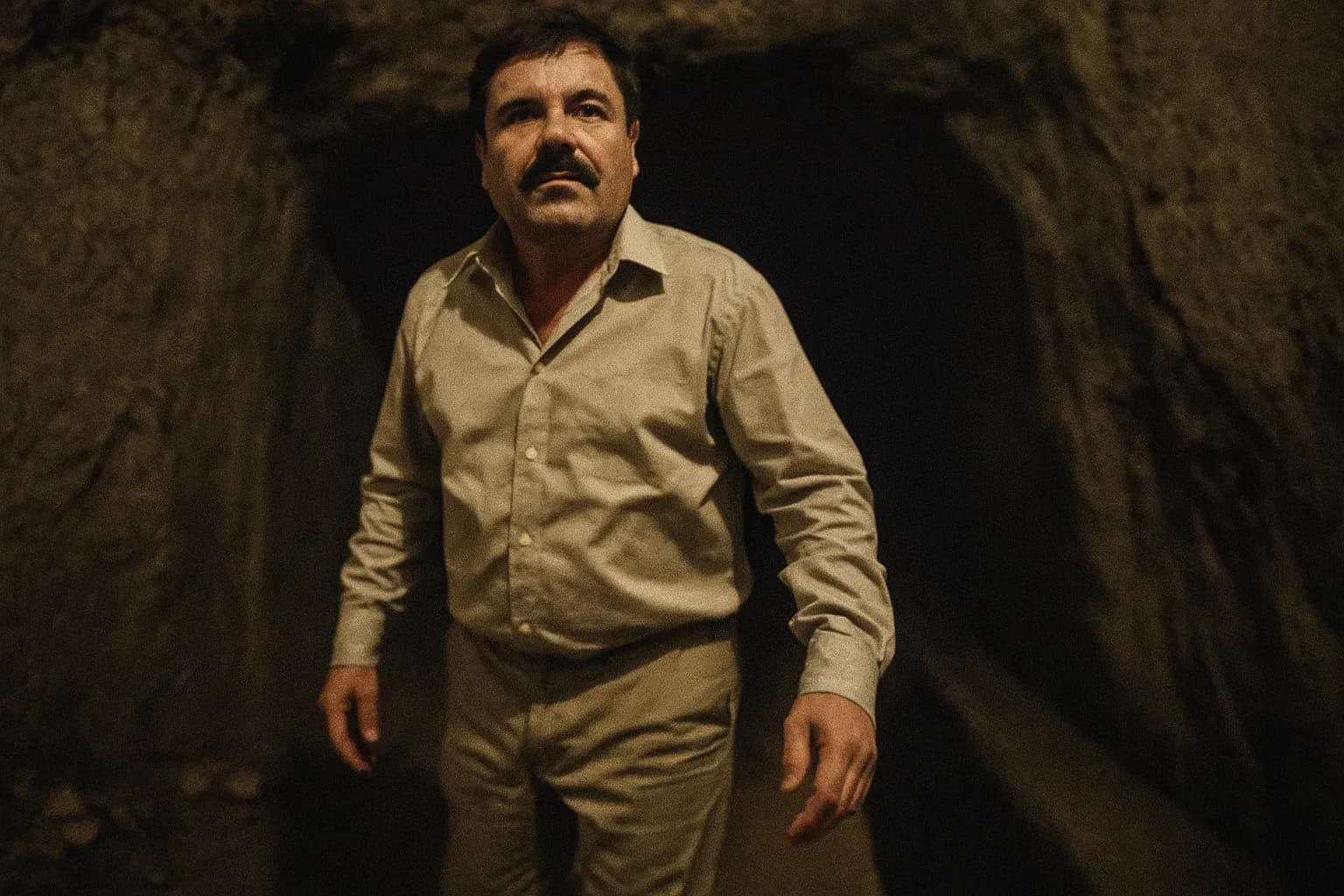
Joaquín 'El Chapo' Guzmán, one of the world's most wanted criminals, engineered two brazen escapes from maximum-security Mexican prisons—exploits that cemented his legend before federal authorities finally locked him away for life.
Guzmán was first arrested in 1993 for murder and drug trafficking, sentenced to 20 years in Puente Grande prison. But incarceration barely slowed him. Prison guards accepted bribes, and Guzmán lived in relative comfort with custom meals, cellphones, and regular visits from prostitutes. On January 19, 2001, he made his first escape by hiding in a laundry cart. A corrupted prison guard helped escort him out while security cameras sat disabled. He vanished into Mexico's underworld.
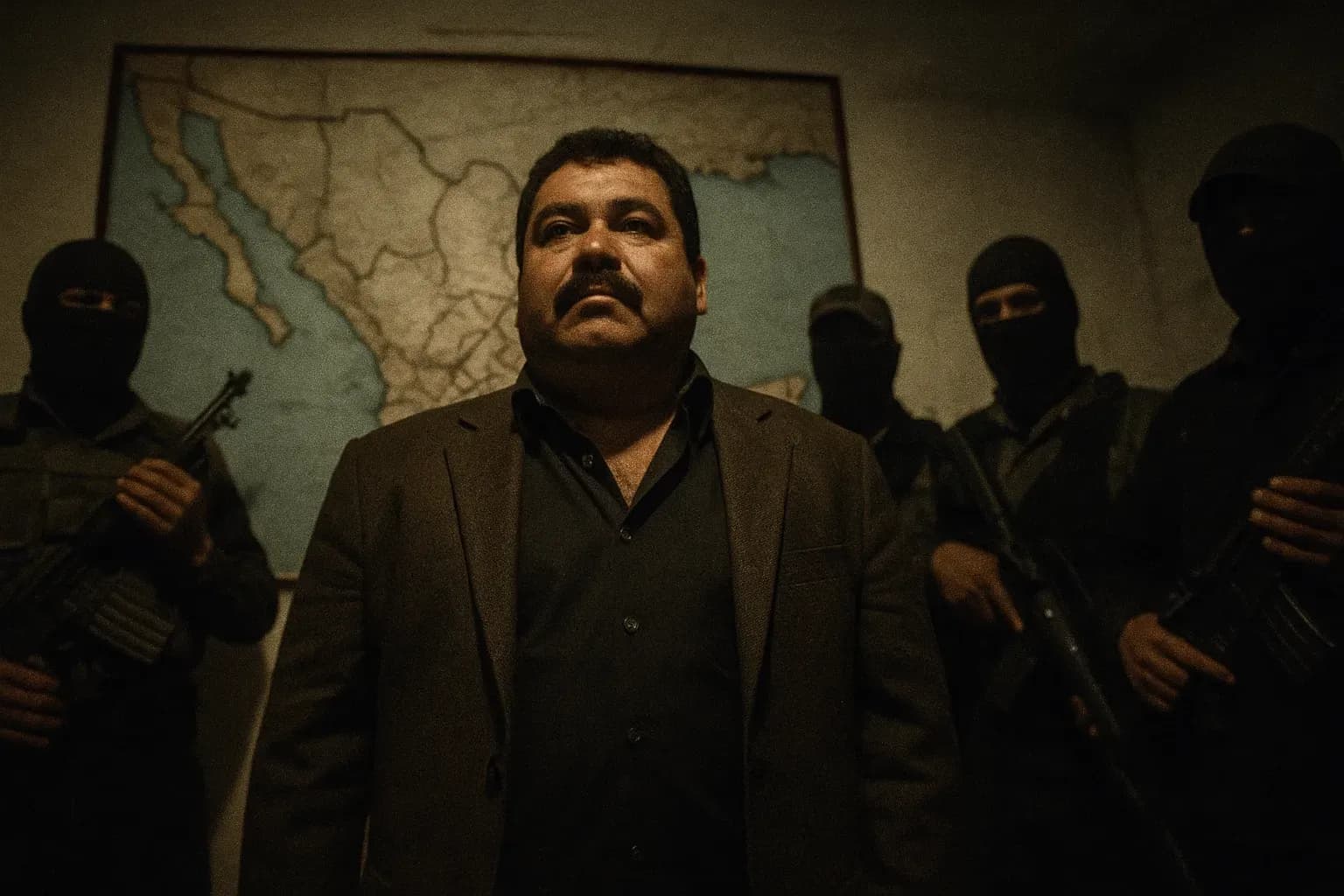
For years, Guzmán ran the Sinaloa Cartel from the shadows, directing a criminal empire that moved hundreds of tons of cocaine, heroin, and marijuana from Colombia, Ecuador, and Mexico into US cities including Los Angeles, Chicago, and New York. Prosecutors later estimated the cartel's trafficking profits at $12.6 billion over two decades. His organization employed an army of sicarios—hired assassins—tasked with kidnapping, torture, and murder to protect territorial interests and eliminate rivals.
The Mexican government pursued Guzmán relentlessly. Bounties climbed to approximately $2.3 million in Mexico and $5 million in the United States. Yet he remained elusive, protected by corrupt officials and his own cunning. Authorities eventually tracked him down and arrested him again—only for history to repeat itself.
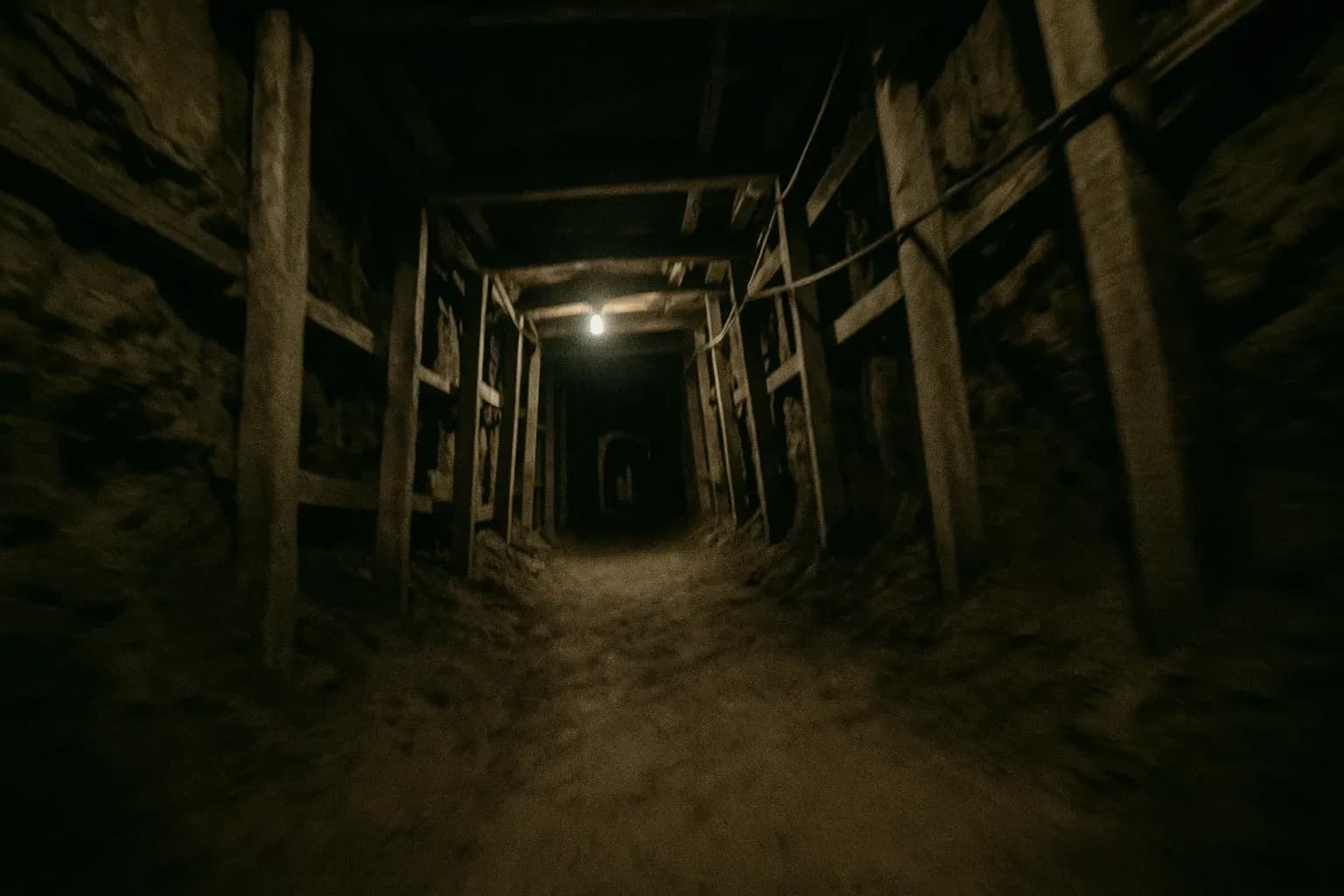
On July 11, 2015, Guzmán escaped from the Federal Social Readaptation Center No. 1, known as Altiplano, one of Mexico's most secure facilities. This time, he didn't walk out casually. Accomplices dug a 1.5-kilometer tunnel from his shower area directly beneath the prison walls. The sophistication of the operation stunned Mexican authorities and embarrassed the government. Within months of his recapture in 2016, US federal agents took custody and extradited him north.