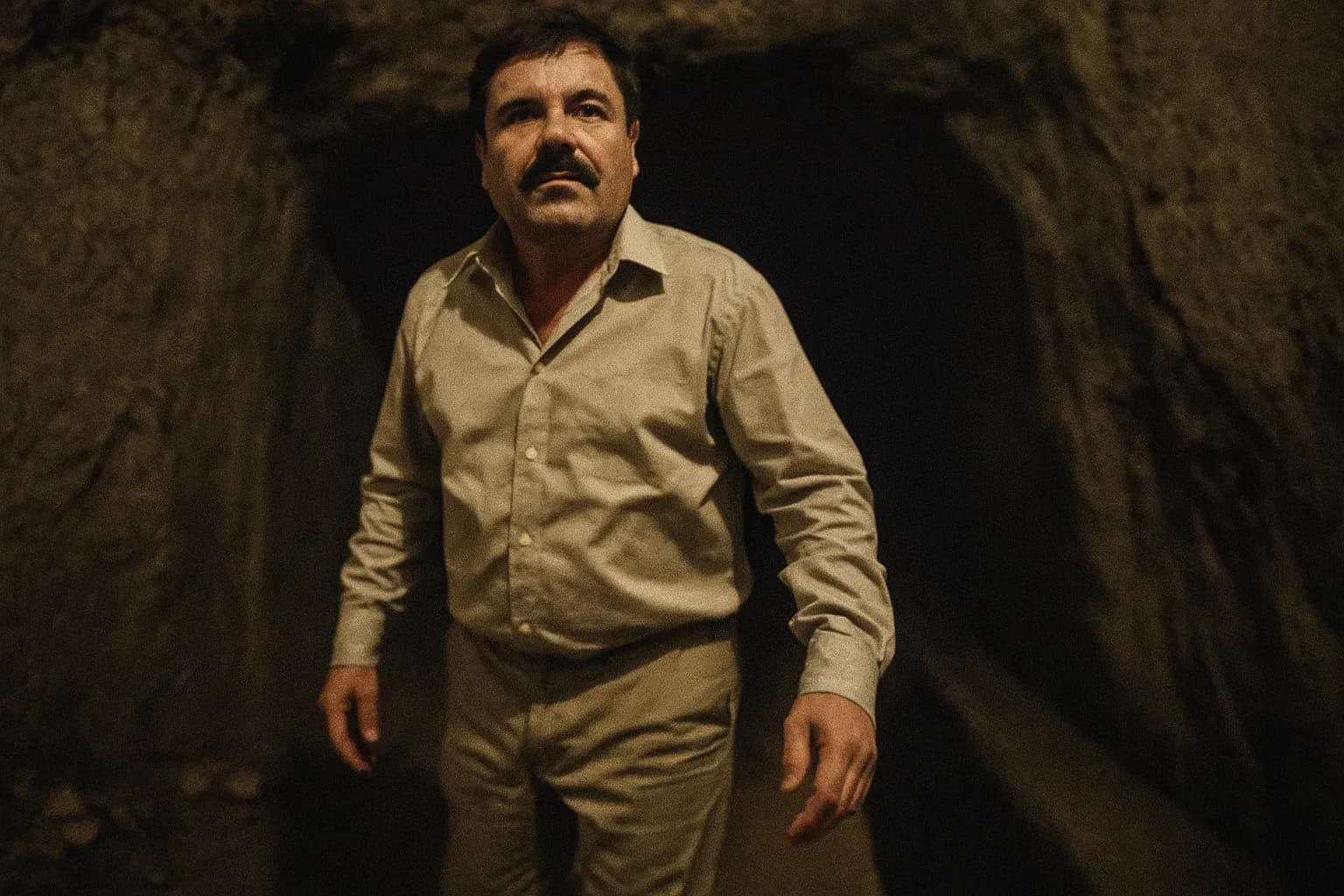
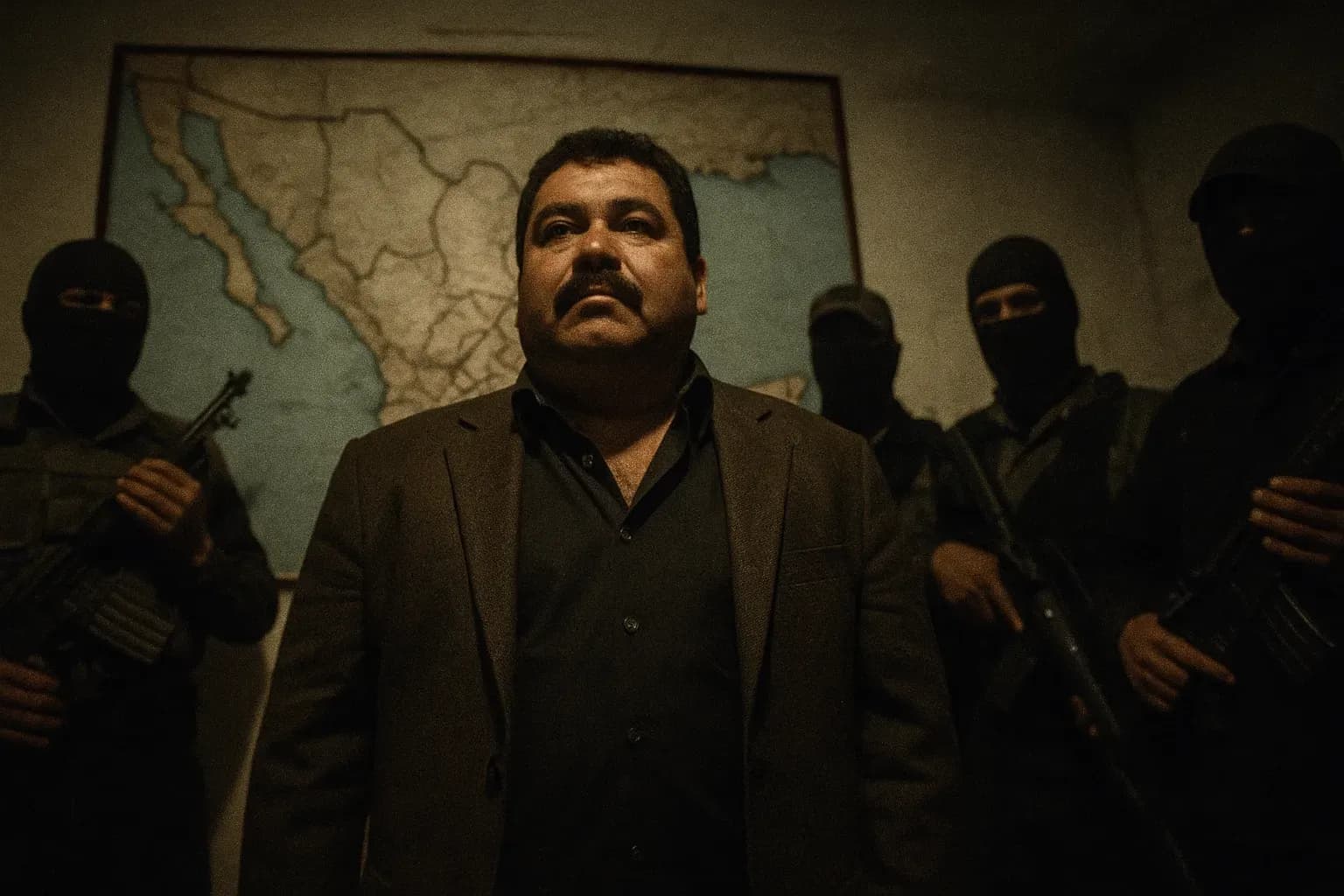
How a Mexican Cartel Controlled 40% of U.S. Cocaine—Then Vanished
The rise and fall of the Tijuana Cartel: A cautionary tale of vertical integration in the drug trade
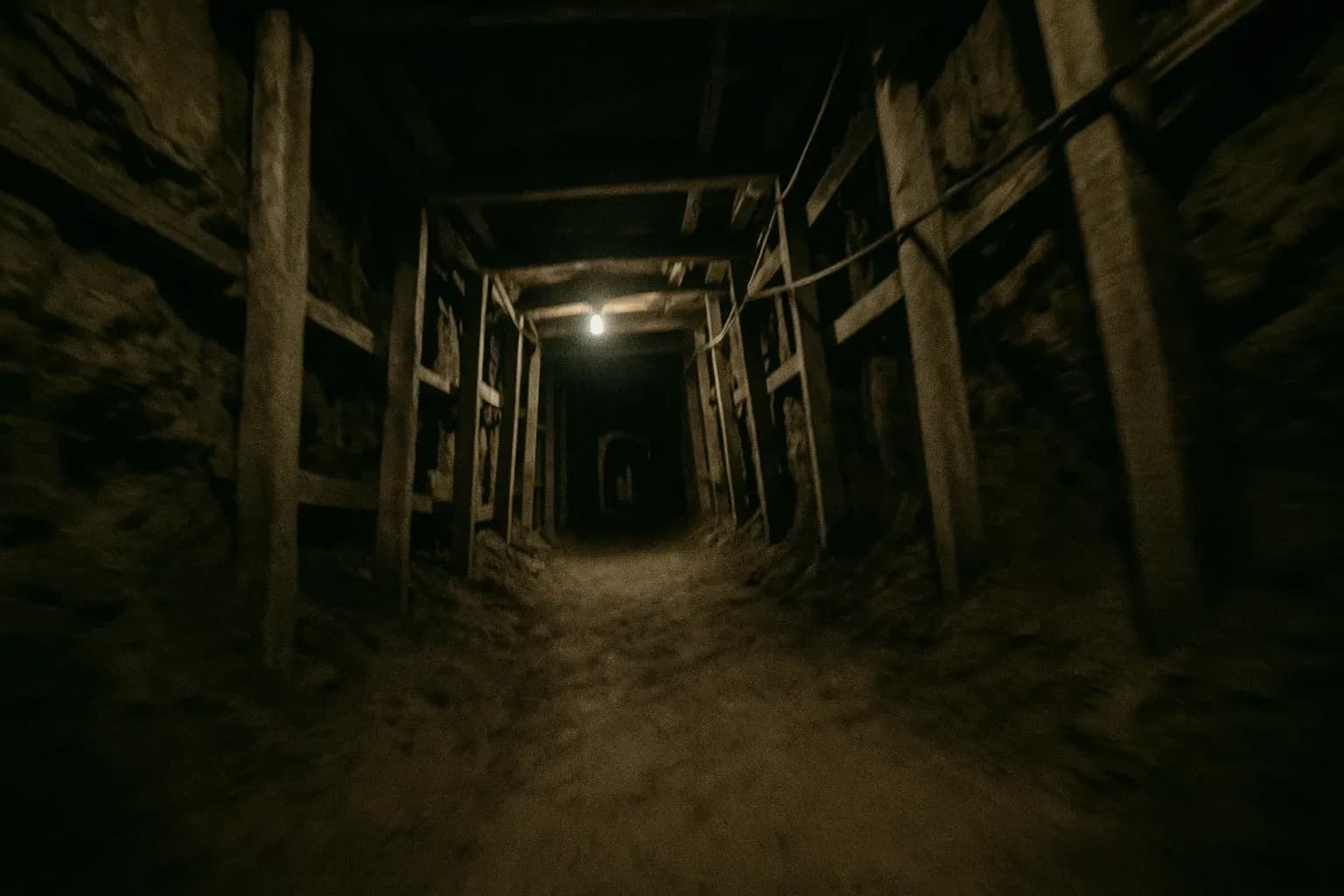
Quick Facts
The Tijuana Cartel operated one of the most sophisticated and ruthless drug-trafficking networks in North American history. Founded and controlled by Mexico's Arellano-Félix family, the organization grew from a regional smuggling operation into a transnational cocaine empire that at its peak controlled an estimated 40 percent of all cocaine entering the United States.
The cartel's headquarters in Tijuana, Baja California—a city directly across the border from San Diego, California—provided a geographic advantage that few criminal organizations could match. This proximity to the world's largest cocaine consumer market allowed the Arellano-Félix family to establish what law enforcement and criminologists call "vertical integration": complete control over the supply chain from production through distribution. Unlike competitors who relied on middlemen or external suppliers, the Tijuana Cartel managed cultivation, manufacturing, transportation, and street-level sales independently. This monopolistic model made the organization extraordinarily profitable and difficult to disrupt through traditional interdiction methods.
At its height during the 1990s, the cartel's influence extended across California and Nevada, with operations reaching into major cities from San Diego to Los Angeles. The organization trafficked not only cocaine but also marijuana, heroin, and methamphetamine in multi-ton quantities. Beyond narcotics, the cartel engaged in kidnapping, extortion, and contract killing—activities that generated revenue and enforced territorial control through terror.
The organization's willingness to target anyone perceived as a threat—including journalists, civilians, and law enforcement—earned it a fearsome international reputation. In one documented incident, cartel operatives ordered the execution of 18 people in the coastal city of Ensenada on a single day in 1998, a massacre that illustrated the organization's capacity for mass violence and its indifference to civilian casualties.